


This post may contain affiliate links. Read our disclosure policy
Watch the recipe

If you’re looking for a special dinner in mind, then this recipe has got you covered! It’s extremely quick to make but this exciting paneer recipe will certainly give you restaurant quality results right from home! Enjoy soft cubes of paneer enveloped in a rich and creamy gravy with your favorite bread and/or rice! This is truly a divine vegetarian dish, and I’m sure you and your family will love this for an incredible meal!
This recipe will show you exactly how to make the shahi sauce and recreate this classic restaurant dish easily at home. I recommend that you watch the recipe YouTube video so you get a visual representation of how to make the dish from start to finish! The video will show all the steps and break everything down so you’re set up for success! If you’re not already subscribed to me on YouTube, I definitely recommend that you do, and don’t forget to hit the bell icon next to the subscribe button! Hitting the bell will notify you when the video recipe will be released, complementing all of my written recipes! I love to record the recipes to give a tangible demonstration and really ensure that you’re all set to create some amazing restaurant-quality food at home! Let’s get cooking!
What is shahi paneer?▼
If you’re new, paneer is described as “Indian cottage cheese” in English. I always warn folks that this is a very loose and poor translation, but I suppose there’s no other way to describe paneer! If you can’t find paneer near you, then please don’t substitute for actual cottage cheese. I did that early on in Canada and I instantly regretted it!
Paneer is a fresh cheese that is widely consumed as a vegetarian protein source in India. It is made from whole milk and either buttermilk, lemon or lime, or vinegar. Paneer comes from boiling the milk and extracting the curds. These curds are actually referred to as chenna, and if you stop at this stage, you can use the chenna to enjoy with some buttery toast and tomato chutney for breakfast, or use it in desserts! You can learn more by checking out my chenna recipe!
Otherwise, to make paneer, a cheesecloth is used to extract the moisture, and we press down on it so it’s a solid block. There you go, paneer! You can check out how to make Fresh Homemade Paneer in my recipe, or you can find paneer in the frozen section grocery stores or your local South Asian grocery store. Lots of people have written to me saying they can’t find paneer anywhere, so you’ll have to make it yourself. I’ve actually used a combination of homemade paneer and store-bought paneer for this recipe - I’m using both because I didn’t have enough of my own paneer for the recipe! I typically use store-bought paneer for the sake of convenience.
This dish translates directly to “paneer for royalty.” That name sure sounds accurate to me, and when you give this a try, I’m sure you’ll agree! This recipe originates from Mughlai cuisine. From around the 1400s to 1800s, the Mughals ruled India, and their cuisine consisted of rich dishes that often incorporated nuts and warm spices. For instance, other Indian staple dishes that were inspired from Mughlai cuisine include the essential Murgh Makhani, commonly known as “Butter Chicken”, and the vegetarian complement, Paneer Makhani. The shahi gravy is made with yogurt, onions, cashews, and saffron.
The recipe I’ll be sharing today is a modern take from the original paneer Mughlai recipe, and this is the type of paneer you’ll see served in restaurants, even in India. The old-style Mughlai shahi gravy recipe has no tomatoes, and is only made with onions, yogurt, saffron and cashews, in addition to more aromatic spices. The more common shahi gravy recipe includes tomatoes and has minimal spices, giving it a more mild taste and the iconic vibrant orange color. You’ll note that this gravy resembles the familiar color of Punjabi curries, however, the Mughlai paneer has a white gravy. The original Mughlai paneer and the Punjabi version look and taste quite different!
Why Make This Royal Paneer Recipe
Here’s why you need to make this amazing recipe!
- Quick to prepare
- A luscious creamy and rich gravy
- Warm and hearty
- Make-ahead friendly
- Mild in flavor and not spicy at all
- More cost-effective making it at home than ordering out!
Tools Needed
Shahi Paneer Ingredients
To make the most amazing paneer dish at home, we need a couple of special ingredients. However, no worries! The ingredient list overall isn’t too long, and you probably have a lot of these on hand already! For all measurements with the full ingredient list, make sure to scroll to the bottom of this post for the FULL PRINTABLE RECIPE CARD, so you can save this recipe for later! The recipe card will also allow you to adjust the number of servings, so whether it’s a romantic dinner for two or a family feast, you’ll know how much of everything you’ll need without having to do any calculations yourself!
- Paneer: Use either fresh homemade paneer or packaged paneer. I’ll be cutting mine into small rectangles.
- Nuts: I’m using a combination of cashews and almonds. If you’re allergic to cashews, feel free to just use onions. You can omit the nuts completely if you or someone you’re cooking for is allergic to all nuts, and simply omit them and add more cream and/or yogurt to compensate for the texture.
- Ghee: Used to sauté the ingredients to make the gravy. You could use oil or butter if you’d like, but I love the flavor that comes from ghee.
- Whole spices: Mace and green cardamom pods to add aroma and flavor. These will be blended up to make a smooth gravy.
- Essentials: Ginger, garlic, and thinly sliced onions.
- Tomatoes: I’ll be using passata/strained tomatoes for this recipe, adding the tomatoes in after our spices and essential ingredients have sautéed.
- Yogurt: Use plain yogurt. This and the cream are the main components to achieve a thick and smooth gravy.
- Deggi Mirch: One of my favorite spices to add a natural red color to the dish.
- Saffron: While it can be an investment, a little bit will go a long way here!
- Kasoori methi: For garnish to finish our dish.
- Salt: Adjust as needed.
- 10% Cream: Add as needed to reach a vibrant orange color and to make the gravy smooth and velvety.
How to Make Shahi Paneer
Add the cashews and almonds in a bowl, along with 1/2 Cup of warm or hot water. Let them soak for at least 15-20 minutes.

Heat a pan on medium heat and add ghee or butter. Strain out the cashews and almonds from the water. Once hot, add the mace, green cardamoms, cashews, almonds, green chilies and sliced onions.


Mix well and sauté until the onions have completely softened and the mixture is fragrant, about 10-15 minutes.

Add the passata, 1 tsp salt, 1 heaping Tbsp deggi mirch and mix well. Cook for 5-10 minutes, or until the sauce has thickened slightly. Stir occasionally to ensure the sauce doesn't burn.


In the meanwhile, add the yogurt to a bowl and whisk for 15-20 seconds. Add 3-4 spoonfuls of the tomato mixture to the yogurt and whisk that into the yogurt. Add the yogurt mixture into the sauce and mix well.


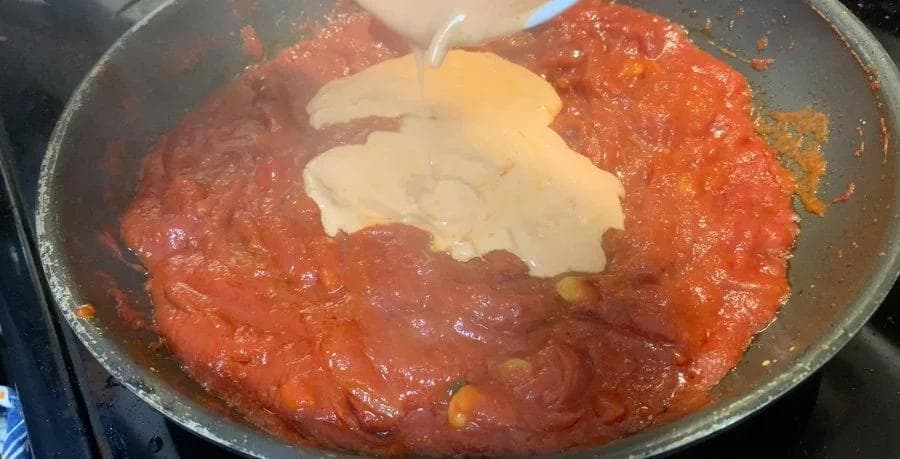
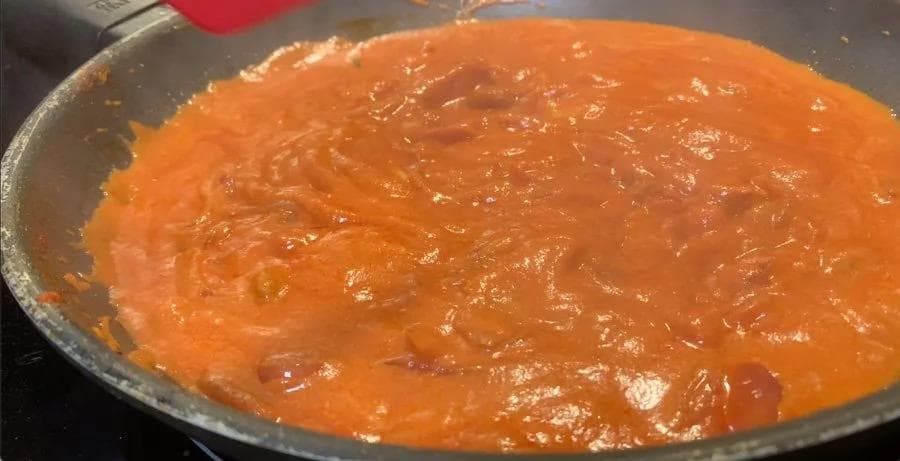
Transfer the mixture to a food processor and puree until the mixture is completely smooth. Optionally, you can strain this sauce using a fine mesh sieve.


Add the sauce back to the pan and bring it to a gentle simmer. Add cream and a few strands of saffron and mix well. Add the cubes of paneer and simmer the gravy gently until the paneer is warmed through and soft.
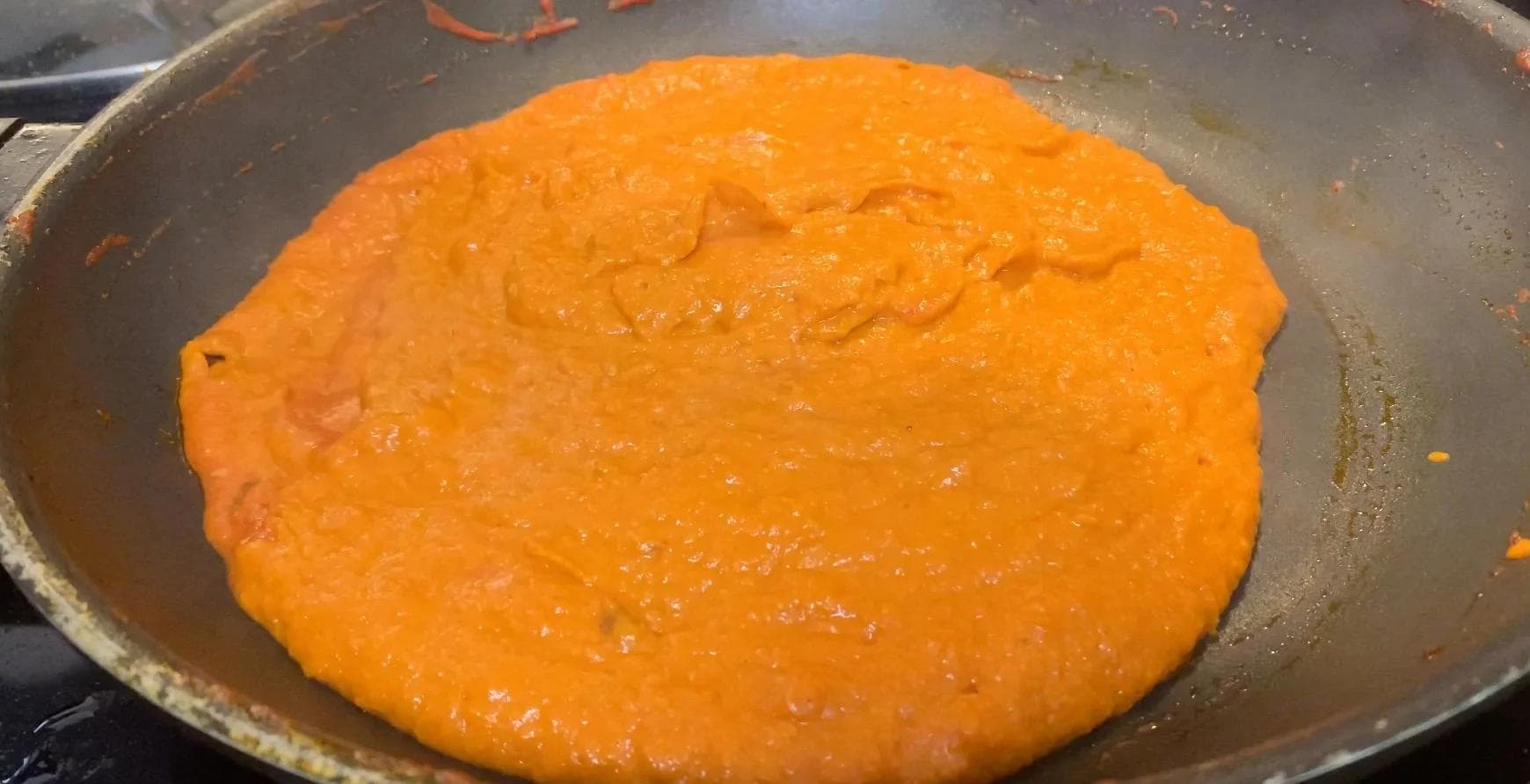


Adjust the consistency of the sauce by adding more cream. Garnish with kasoori methi and serve hot with your favorite bread or pulao.

Tips for Amazing Restaurant-Style Paneer
- If you cannot find passata or pureed tomatoes, you can substitute with freshly pureed tomatoes, 1:1 volume.
- Use plain or Balkan yogurt and not Greek yogurt in this dish.
- You may try adding some sweetness to this dish with some sugar or honey. Personally, the sweetness from the cashews, almonds and saffron was enough for me.
- While you can use heavy cream instead of 10% table cream, you might need to use some water to dilute the sauce if it has thickened too much.
Serving Suggestions
As shown in the pictures and in the video I served my paneer with Punjabi Lachha Paratha. This is one of my special breads, and I don’t make it often enough! I just love the flaky layers, and this was such a wonderful combo. I would also recommend Rumali Roti! Rumali roti translates to “handkerchief roti” because it’s shaped like a handkerchief and it’s super thin! That’s perfect to mop up all the bread! Of course you can’t go wrong with Homemade Tandoori Naan, it’s a classic! If you’re in a pinch for time, my One-Hour Cast Iron Naan is the perfect solution and it’s just as delicious as the traditional naan bread recipe!
Feeling like some rice in addition to or instead of bread? Then I’ve got you covered with these recipes!
What Makes Shahi Paneer “Shahi” — and How It Differs From Other Paneer Curries
Shahi means royal in Hindi, and the name is a promise about texture more than heat. This belongs to the family of Mughlai gravies: nuts, dairy and whole spices, blended until there is nothing left to chew but the paneer. That is exactly what separates it from my kadai paneer, where a coarsely ground masala and crisp peppers are the entire point. It is closer in spirit to paneer butter masala, but where that leans on butter and tomato, this one leans on cashews, almonds and saffron for its creamy sauce. It is the curry I make for special occasions and for a dinner party, because it looks like far more work than it is.
What is not in it is worth saying plainly, because a lot of shahi paneer recipes include these and mine does not. There is no cinnamon and there are no cloves. There is no cumin and no garam masala anywhere in the method — the only whole spices are 5 mace strands and 5 green cardamom pods, and they go in at the very start so their perfume ends up dissolved through the sauce rather than sitting on top of it. There are no melon seeds and no kewra water either, both of which turn up in more classical versions. And there is no packet shahi paneer masala. If your preference runs to a warmer, more heavily spiced curry, add a pinch of cardamom powder at the end rather than reaching for a blend.
The Nut Paste, the Yogurt, and What Actually Makes It Smooth
The base is 2 tablespoons of cashew nuts and 1 tablespoon of almonds, soaked in half a cup of hot water in a bowl for at least 15 to 20 minutes. Soaking is not optional — it is the difference between a smooth paste and a grainy one. Drain them, then saute them in 2 tablespoons of ghee on the stove over medium heat along with the mace, cardamom, a slit green chili and one sliced onion, for a full 10 to 15 minutes until the onions have completely softened and the mixture smells fragrant. Rushing this on a high flame browns the onions and muddies the color you are working so hard to get.
Then in go 2 1/2 cups of passata — strained tomato puree, nothing more exotic than that — with 1 teaspoon of salt and a heaping tablespoon of deggi mirch, the mild red chili powder that supplies the color without much heat. Cook that 5 to 10 minutes until it thickens slightly, stirring so it does not catch. The yogurt goes in next, and this is the step people get wrong: whisk half a cup of plain curd for 15 to 20 seconds, then temper it by whisking 3 or 4 spoonfuls of the hot tomato mixture into the whisked yogurt before it ever touches the pan. Add it cold and straight and it will split.
Everything then goes into a food processor and gets blended to a completely smooth, fine paste. If you want the glossy restaurant finish, push it through a fine mesh sieve afterward. Back in the pan on a low flame, stir in a cup of 10 percent fresh cream and a few strands of saffron, add the 200 grams of paneer cut into cubes, and let it warm through gently. The creamy texture comes from the nuts, the cream and the blending — not from cooking it longer, which only tightens the paneer.
Serving Suggestions, Swaps and Make-Ahead Notes
A few ingredient notes and expert tips from making this more times than I can count. The gravy is genuinely make-ahead friendly: cook it through the blending stage, cool it, and refrigerate it for up to three days, then reheat gently on a low flame and add the paneer only at the end. I would avoid the microwave for the reheat if you can — it heats unevenly and the cubes go rubbery in the hot spots. Finish with kasoori methi (you will also see it written kasuri methi) crushed between your palms, and a scatter of fresh coriander leaves if you like the freshness against all that cream.
For swaps: firm tofu, pressed and cubed, makes this vegan alongside a plant cream and a plain unsweetened non-dairy yogurt, and the method does not change at all. If cashews are the allergy, more cream and yogurt will carry the body. And if you have the time, homemade paneer is the single upgrade chefs would tell you matters most here, because a soft, fresh cube soaks up a sauce this rich in a way a firm shop-bought block never quite does. On the table, tandoori roti is my first choice for mopping, with plain basmati alongside for anyone who wants both.
This royal curry is even better with homemade paneer — soft, fresh, and worth the few extra minutes.
For an even richer base, start with my makhani (butter) sauce.
Let me know what you think of this recipe in the comments! If you’ve tried this recipe, be sure to post it on social media and tag it with #cookingwithanadi and mention me @cooking.with.anadi. Thank you!
Recipe by Anadi Misra
Indulge in a creamy, restaurant-style Shahi Paneer made right at home. This rich Indian vegetarian recipe is perfect for an impressive dinner that feels truly royal.
Stovetop
Rate this recipe ✦
15 min
Prep
35 min
Cook
50 min
Total
4
servings
medium
Level
Ingredients
Ingredients
Tap any quantity to scale
Whole spices & aromatics
- (30 ml) ghee · make your ownShop →
- mace strandsShop →
- green cardamom podsShop →
- green chilies(slit in half)
- (8 g) ginger(roughly chopped)
- (8 g) garlic(roughly chopped)
- medium onion(sliced)
Instructions
- 1
Add the cashews and almonds in a bowl, along with ½ cup of warm or hot water. Let them soak for at least 15-20 minutes.
Add the cashews and almonds in a bowl, along with ½ cup of warm or hot water. Let them soak for at least 15-20 minutes.
- 2
Heat a pan on medium heat and add ghee or butter. Strain out the cashews and almonds from the water. Once hot, add the mace, green cardamoms, cashews, almonds, green chilies and sliced onions.
Heat a pan on medium heat and add ghee or butter. Strain out the cashews and almonds from the water. Once hot, add the mace, green cardamoms, cashews, almonds, green chilies and sliced onions.
- 3
Mix well and sauté until the onions have completely softened and the mixture is fragrant, about 10-15 minutes.
Mix well and sauté until the onions have completely softened and the mixture is fragrant, about 10-15 minutes.
- 4
Add the passata, 1 tsp salt, 1 heaping Tbsp deggi mirch and mix well. Cook for 5-10 minutes, or until the sauce has thickened slightly. Stir occasionally to ensure the sauce doesn't burn.
Add the passata, 1 tsp salt, 1 heaping Tbsp deggi mirch and mix well. Cook for 5-10 minutes, or until the sauce has thickened slightly. Stir occasionally to ensure the sauce doesn't burn.
- 5
In the meantime, add the yogurt to a bowl and whisk for 15-20 seconds. Add 3-4 spoonfuls of the tomato mixture to the yogurt and whisk that into the yogurt. Add the yogurt mixture into the sauce and mix well.
In the meantime, add the yogurt to a bowl and whisk for 15-20 seconds. Add 3-4 spoonfuls of the tomato mixture to the yogurt and whisk that into the yogurt. Add the yogurt mixture into the sauce and mix well.
- 6
Transfer the mixture to a food processor and puree until the mixture is completely smooth. Optionally, you can strain this sauce using a fine mesh sieve.
Transfer the mixture to a food processor and puree until the mixture is completely smooth. Optionally, you can strain this sauce using a fine mesh sieve.
- 7
Add the sauce back to the pan and bring it to a gentle simmer. Add cream and a few strands of saffron and mix well. Add the cubes of paneer and simmer the gravy gently until the paneer is warmed through and soft.
Add the sauce back to the pan and bring it to a gentle simmer. Add cream and a few strands of saffron and mix well. Add the cubes of paneer and simmer the gravy gently until the paneer is warmed through and soft.
Learn the technique - 8
Adjust the consistency of the sauce by adding more cream. Garnish with kasoori methi and serve hot with your favorite bread or pulao.
Adjust the consistency of the sauce by adding more cream. Garnish with kasoori methi and serve hot with your favorite bread or pulao.
Did you make this recipe? Tag @cooking.with.anadi on Instagram and hashtag it #cookingwithanadi

Tested & written in Anadi’s kitchen
Recipe history
- April 16, 2026 — Reworked and refreshed for the 2026 relaunch — new photography, restructured and standardized ingredients & instructions.
Filed under
You might also like

Authentic Kadai Paneer Recipe for a Restaurant-Style Delight
Make restaurant-style Kadai Paneer at home with bold spices, tender paneer, and a rich, aromatic gravy. An easy homemade recipe that delivers authentic Indian flavors every time.

Easy Authentic Paneer Tikka Masala Recipe
Make restaurant-quality Paneer Tikka Masala at home with this easy, authentic recipe. Smoky grilled paneer in a rich, creamy tomato sauce makes the perfect vegetarian Indian dinner.

Indulge in Royalty with this Luxurious Paneer Makhani Recipe
Rich, creamy, and utterly indulgent — this homemade Paneer Makhani recipe brings authentic Indian royalty to your kitchen. Tender paneer in a velvety Makhani sauce will leave everyone wanting more.

Experience Royalty With This Paneer Butter Masala Recipe
Creamy, rich, and fit for royalty, this authentic Paneer Butter Masala recipe brings homemade Indian comfort food to your table. A vegetarian dinner the whole family will love.

Traditional Restaurant-Style Matar Paneer Recipe
Make restaurant-style Matar Paneer at home with this classic Indian recipe. Tender paneer and peas in a rich, spiced tomato gravy — the perfect vegetarian dinner the whole family will love.
Super Easy Homestyle Indian Palak Paneer Recipe
Make creamy, homestyle Palak Paneer from scratch with this super easy Indian recipe. Fresh spinach, soft paneer, and bold spices come together for an authentic, comforting meal anyone can make.


Comments
No comments yet — be the first to share your thoughts!
Leave a review
Be the first to share how it went — your note helps other cooks (and earns the recipe its stars).