


This post may contain affiliate links. Read our disclosure policy
Watch the recipe
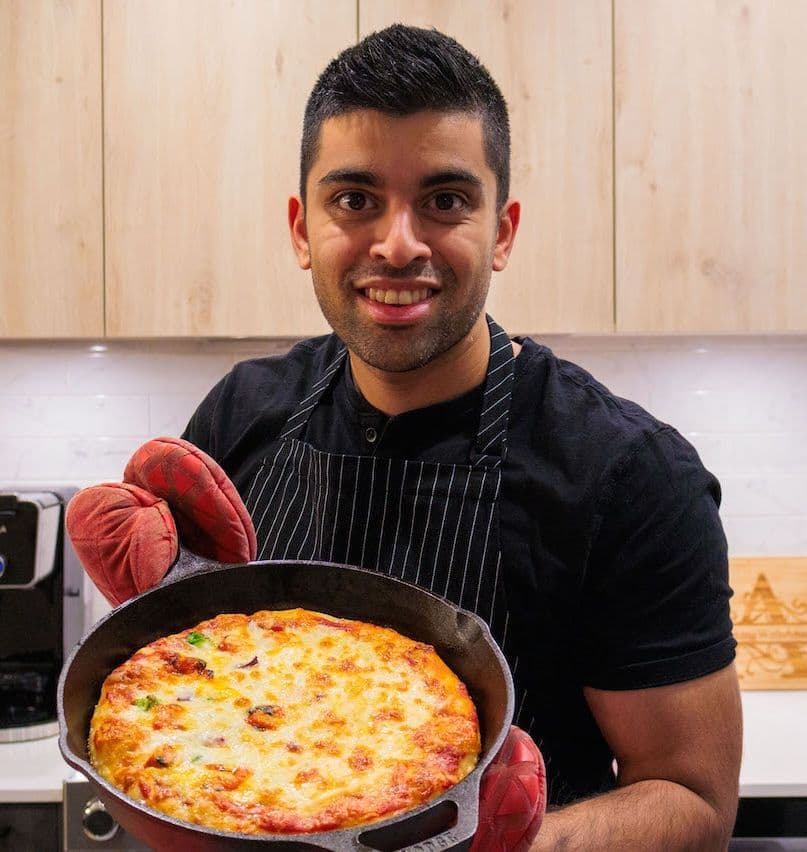
A Light and Healthy Pulao is the perfect rice dish to serve with your favorite Indian dinners! This healthy rice pulao is loaded with an assortment of vegetables, and it’s cooked with aromatic spices and a bit of oil. We’re adding some green chilies to add some heat. This post will show you how to make this Healthy Vegetable Pulao Rice recipe by pan-frying the rice and by steaming it. I hope you try this out as a quick and nutritious side for your next Indian feast! Don’t forget to let me know your thoughts by leaving a comment down below! Enjoy!
What is a Pulao?▼
A pulao or pilaf is a fragrant Indian rice dish that is truly comforting and so satisfying! It’s a one-pot dish made with rice and vegetables, spices and fresh herbs. It’s one of the most common rice dishes in India, along with the many varieties of biryani.
I don’t make this vegetable pulao often but when I do I absolutely love it! It tastes so fresh and it’s super easy to prepare. You can honestly get this done in about 5 minutes once your rice is cooked! It’s a great way to get in plenty of healthy vegetables, and it’s excellent to pair with many Indian main dishes. This vegetable pulao will only use a few ingredients so you can get this ready on the table in no time.
What’s the Difference Between Pulao and Biryani?▼
A pulao is a rice medley with vegetables, meat, or both. All the components are cooked together, and subtle aromatic spices are added. On the other hand, while a biryani could contain the same ingredients, the rice and the vegetables and/or meat are cooked separately, and then they are added together in the final plating. Therefore, a biryani is a much more involved dish than a pulao in terms of the number of ingredients used compared to a pulao. In addition, we add much more spices in a biryani. Lastly, biryanis take quite some time to cook and prepare, so they’re not a quick fix like a pulao is!
The Best Type of Rice for Healthy Vegetable Pulao
The best rice to use for a healthy vegetable pulao is Basmati rice. Because Basmati rice is a long grain rice, the grains will separate and the flavors of the vegetables with the aromatic spices will spread throughout the dish. If you don’t have Basmati rice, then substitute with any long grain rice. Medium and short grain rice varieties have more starch and they become sticky, so those will not work for making a great pulao!
Is This Vegetable Rice Pulao Spicy?▼
This vegetable pulao is not very spicy. What adds heat to the pulao is the green chilies. If you don’t want a spicy pulao, you can definitely omit it!
Tools Needed
Ingredients for Light and Healthy Vegetable Rice Pulao
Here is what you’ll need for this quick and healthy vegetable pulao:
- Basmati rice
- Ghee or oil: If using ghee, you can use a store-bought one like Amul ghee, or make your own!
- Onions
- Carrot
- Peas (fresh or frozen)
- Green chili (optional)
- Cumin seeds
- Lime juice
- Salt
- Cilantro, for garnish
How to Make Vegetable Pulao
Pan-Fried Method
1. To follow this method, you will need pre-cooked basmati rice. To do so, rinse 1 cup of rice and add to a pot. Then add about 2 cups of water. I tend to add just a bit less than 2 cups, to get the perfect separated, individual grains of rice.
2. Bring the water up to a boil on medium-high heat. Then turn heat down to low, cover, leaving a small slit open for steam to escape and cook for 15-20 minutes or until the water has been absorbed.
3. Once cooked, heat oil on medium heat and crackle the cumin seeds until reddish brown. Add in green chilies and cook for 30 seconds.
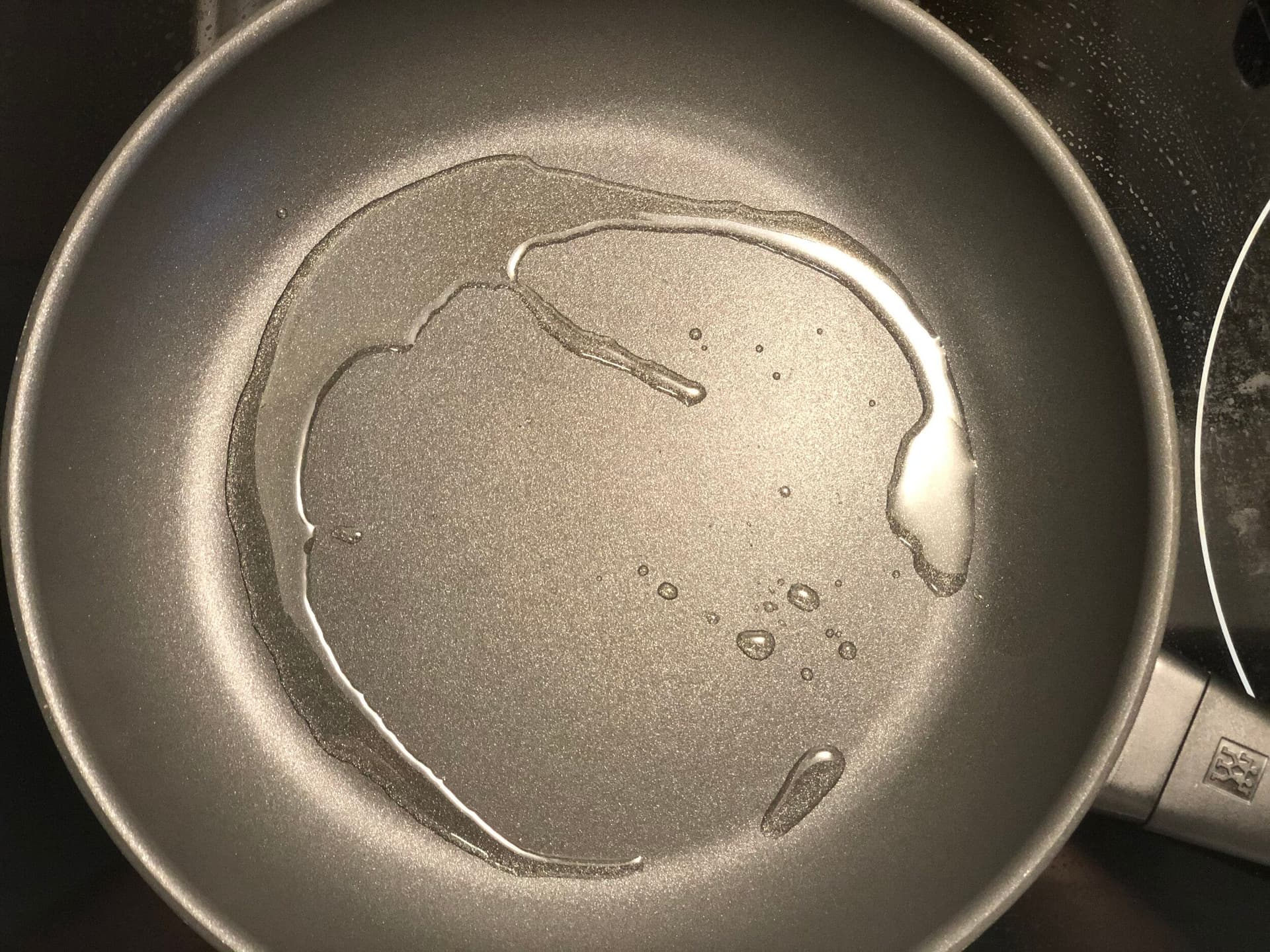


4. Add onions and carrots with a pinch of salt, mix well and cook until the vegetables start to become soft, about 4-6 minutes. Then add the peas (frozen or fresh) and cook until soft.


5. Add rice and mix well until well coated with oil, vegetables and heated through.

6. Turn off the heat and season with salt to taste. Garnish with a squeeze of lime juice and some freshly chopped cilantro. Enjoy!


Steamed Method
1. Heat a pot on medium heat and crackle cumin seeds until reddish brown. Add in green chilies and cook for 30 seconds.
2. Add onions and carrots with a pinch of salt, mix well and cook until the vegetables start to become soft, about 4-6 minutes. Then add the peas (frozen or fresh) and cook until soft.
3. Then add rice and mix well until well coated with oil, sauté for about a minute. Add about 2 cups of water and bring the water up to a boil on medium-high heat. Then turn heat down to low, cover, leaving a small slit open for steam to escape and cook for 15-20 minutes or until the water has been absorbed.
4. Turn off the heat and season with salt, cilantro and lime juice.
What to Serve with Light and Healthy Vegetable Pulao
The possibilities to pair this vegetable pulao are endless! You can pair with nearly any raita or curry of your choice. Of course you could eat this pulao on its own if you wanted to! Here’s what I recommend:
What Is Not in This Vegetable Pulao
If you have come here expecting a long list of whole garam masala, this pulao will surprise you. There is no bay leaf, no green cardamom, no cloves, no cinnamon stick and no star anise. There is no ginger-garlic paste, no turmeric, no ground garam masala and no saffron. There is no mint and no yogurt, no cashews and no raisins. The only whole spice in the pot is cumin seeds, crackled in ghee until reddish brown, with a green chile going in after them for thirty seconds.
The vegetables are just as restrained: onion, carrot and peas, and nothing else. No potato, no bell pepper, no green beans, no cauliflower. That is deliberate — this is meant to be the quiet, light side dish that sits next to a curry rather than competing with it, which is exactly why it works with almost anything. The finishing lift comes from a teaspoon of lime juice and half a cup of chopped cilantro stirred in off the heat, not from a spice tin.
Pulao vs Biryani vs Fried Rice
These three get muddled constantly. A pulao is an absorption dish: the rice takes up a measured amount of water in one pot along with everything else, or, as in the pan-fried method here, is folded through the cooked vegetables at the end. A biryani is layered — par-cooked rice piled over a separately made, marinated gravy and finished sealed on a low flame, which is the dum. There is no layering and no dum anywhere in this recipe, so it is a pulao, plainly.
Fried rice is the closer cousin to the pan-fried method on this page, since both start with already-cooked, cooled rice and toss it through aromatics in a hot pan. The difference is what goes in: cumin seeds and green chile rather than soy, garlic and spring onion. If you have leftover basmati in the fridge, that pan-fried route is the fastest version of this dish you can make.
Easy Swaps for This Pulav Rice
Basmati is the right rice here because the long grains stay separate, but jasmine rice works as a close stand-in — slightly more floral — and plain long-grain white rice will give you the same texture with less aroma. What you want to avoid is medium or short grain, which carry more starch and turn the dish sticky.
For the fat, clarified butter behaves identically to ghee, and coconut oil makes the whole thing dairy-free with a faint coconut note. No cumin seeds in the cupboard? Use about three-quarters of a teaspoon of ground cumin instead, accepting that it will be less aromatic since it never gets to crackle. If the green chile is too much heat for the table, a poblano gives you a milder, faintly roasted flavour and an Anaheim pepper is the easiest mild swap to find. Cilantro-averse cooks can finish with flat-leaf parsley — milder, without the citrus edge — and lemon juice stands in for the lime one-for-one, just a touch less tart.
Is Vegetable Pulao Healthy? The Numbers
The recipe makes about 3 cups, which is 3 servings at roughly a cup each, and it comes together in about 24 minutes — 4 minutes of prep and 20 of cooking. Per serving that works out to 491 calories, 87 g of carbohydrates, 12 g of protein, 11 g of fat, 8 g of fiber, 10 g of sugar and 236 mg of sodium.
Two of those numbers are worth pausing on. Eight grams of fiber a serving is a lot for a rice dish, and it comes almost entirely from the peas and carrots rather than from the rice. And the sodium is genuinely low at 236 mg, because the only salt in the pot is what you add yourself — there is no stock, no bouillon cube and no seasoning mix anywhere in this recipe. The sugar is all naturally occurring, from the onion, carrot and peas. It is a carbohydrate-forward side dish, so treat it as the rice course it is, but it is a far better one than plain white rice on both fiber and protein.
The Water Ratio, and Why There Is No Pressure Cooker
One cup of basmati rice to about 2 cups of water is the number that decides this whole dish, and I will be more precise than that: I add slightly less than 2 cups. That small margin is the difference between separated, individual rice grains and a soft clump, and it is worth measuring rather than eyeballing. Bring the water up to a boil on medium-high heat, then take it straight down to a low flame, cover the pot, and leave a small slit open so steam can escape. Fifteen to twenty minutes, or until the water has been absorbed. Do not skip the slit. A fully sealed lid traps the steam against the underside and the top layer of rice comes out wet while the bottom is done.
There is no pressure cooker anywhere in this recipe and there are no whistles to count, which is how a lot of Indian homes cook rice but is not what happens here. Both methods below are just an open pot on a stove. There is no draining either. This is an absorption method, so every bit of water you measured in ends up inside the rice, which is exactly why the amount matters so much and why you never pour anything away. And you will notice the recipe never tells you to fluff the finished rice with a fork. In the pan fried method the grains get folded through the vegetables with a spoon, which does the same job of separating them. If you are cooking a large quantity, hold the ratio exactly and reach for a wider pot rather than a deeper one, so the rice sits in a shallower layer and the steam has less distance to travel.
Two Methods, Same Ingredients
The pan fried method starts with the rice already cooked. Heat a pan on medium heat with 2 tablespoons of ghee and crackle 2 teaspoons of cumin seeds until they turn reddish brown, then add the green chile and give it 30 seconds. In goes 1 cup of finely diced onion, which is about one medium to large onion, and half a cup of finely diced carrot with a pinch of salt. Four to six minutes, until they start to soften, then 1 cup of green peas, fresh or frozen, cooked until soft. Add the rice and mix until every grain is coated and heated through. Turn the heat off, then season with salt, half a cup of chopped cilantro and a teaspoon of lime juice.
The steamed method uses the same tempering in a pot instead of a pan, but the rice goes in raw. After the peas are soft, the rice is added and sauteed for about a minute in the oil, and only then do about 2 cups of water go in, with the same boil on medium-high and the same drop to low under a lid with a slit, for the same 15 to 20 minutes. Pick the pan fried route when you already have cooked basmati in the fridge and the steamed route when you are starting cold and want one pot to wash. In both versions the coriander leaves and the lime juice go in with the heat switched off, never while it is still cooking, because cilantro loses its aroma the moment it hits a hot pan and lime juice turns flat. One last small thing: the recipe never says to peel the carrot, and I do not bother when they are fresh, since it is finely diced anyway and the skin is where a fair bit of the fiber sits.
Vegetable Pulao Variations, and What to Put Beside It
People ask what else can go in, so here is the honest answer for this vegetable pulao recipe: as written there are no french beans, no broccoli, no spinach and no mushrooms in it. There are no ground spices either, so no turmeric powder and no red chilli powder, and the only whole spices in the pot are 2 teaspoons of cumin seeds. That is not an oversight, it is the point of a light veg pulao, but variations are easy if you want them. Anything that dices small and cooks in the same four to six minutes as the onion and carrot can join them in the pan. Anything that takes longer, or releases a lot of water, will throw the water ratio out and is better cooked separately and folded in at the end.
On the quality of rice: basmati is what the recipe calls for, and if you can find aged basmati rice it is worth the extra, because that is what people mean when they talk about fragrant basmati and the grains hold their separation better. As for how long the whole thing takes, this is a fast pot rice dish. Four minutes of prep, 20 minutes of cooking, so 24 minutes of total cooking time from standing at the counter to serving. Served the way it is eaten in India, a veg pulav like this one sits beside a curry rather than in front of it, and a papad, a spoonful of pickle and a plain sliced salad on the side finish the plate without adding a single thing to the pot.
Enjoy!
Let me know what you think of this recipe in the comments! If you’ve tried this recipe, be sure to post it on social media and tag it with #cookingwithanadi and mention me @cooking.with.anadi. Thank you!
Recipe by Anadi Misra
Light, healthy, and bursting with flavor, this Vegetable Rice Pulao is an easy Indian vegetarian dish ready in minutes. Perfect for a wholesome weeknight meal the whole family will love.
Stovetop
Rate this recipe ✦
4 min
Prep
20 min
Cook
24 min
Total
3
servings
makes 3 cups
easy
Level
Ingredients
Ingredients
Tap any quantity to scale
Instructions
Pan fried method
- 1
Rinse 1 cup of rice and add to a pot. Then add about 2 cups of water. I tend to add just a bit less than 2 cups, to get the perfect separated, individual grains of rice.
Rinse 1 cup of rice and add to a pot. Then add about 2 cups of water. I tend to add just a bit less than 2 cups, to get the perfect separated, individual grains of rice.
- 2
Bring the water up to a boil on medium-high heat. Then turn heat down to low, cover, leaving a small slit open for steam to escape and cook for 15-20 minutes or until the water has been absorbed.
Bring the water up to a boil on medium-high heat. Then turn heat down to low, cover, leaving a small slit open for steam to escape and cook for 15-20 minutes or until the water has been absorbed.
- 3
Once cooked, heat a pan on medium heat and add oil and crackle cumin seeds, cook until reddish brown. Add in green chiles and cook for 30 seconds.
Once cooked, heat a pan on medium heat and add oil and crackle cumin seeds, cook until reddish brown. Add in green chiles and cook for 30 seconds.
Learn the technique - 4
Add onions and carrots with a pinch of salt, mix well and cook until the vegetables start to become soft, about 4-6 minutes. Then add the peas (frozen or fresh) and cook until soft.
Add onions and carrots with a pinch of salt, mix well and cook until the vegetables start to become soft, about 4-6 minutes. Then add the peas (frozen or fresh) and cook until soft.
- 5
Add rice and mix well until well coated with oil, vegetables and heated through.
Add rice and mix well until well coated with oil, vegetables and heated through.
- 6
Turn off the heat and season with salt, cilantro and lime juice.
Turn off the heat and season with salt, cilantro and lime juice.
Steamed method
- 1
Heat a pot on medium heat and crackle cumin seeds until reddish brown. Add in green chiles and cook for 30 seconds.
Heat a pot on medium heat and crackle cumin seeds until reddish brown. Add in green chiles and cook for 30 seconds.
- 2
Add onions and carrots with a pinch of salt, mix well and cook until the vegetables start to become soft, about 4-6 minutes. Then add the peas (frozen or fresh) and cook until soft.
Add onions and carrots with a pinch of salt, mix well and cook until the vegetables start to become soft, about 4-6 minutes. Then add the peas (frozen or fresh) and cook until soft.
- 3
Then add rice and mix well until well coated with oil, sauté for about a minute.
Then add rice and mix well until well coated with oil, sauté for about a minute.
- 4
Add about 2 cups of water and bring the water up to a boil on medium-high heat. Then turn heat down to low, cover, leaving a small slit open for steam to escape and cook for 15-20 minutes or until the water has been absorbed.
Add about 2 cups of water and bring the water up to a boil on medium-high heat. Then turn heat down to low, cover, leaving a small slit open for steam to escape and cook for 15-20 minutes or until the water has been absorbed.
- 5
Turn off the heat and season with salt, cilantro and lime juice.
Turn off the heat and season with salt, cilantro and lime juice.
Nutrition per serving
Did you make this recipe? Tag @cooking.with.anadi on Instagram and hashtag it #cookingwithanadi

Tested & written in Anadi’s kitchen
Recipe history
- April 16, 2026 — Reworked and refreshed for the 2026 relaunch — new photography, restructured and standardized ingredients & instructions.
You might also like
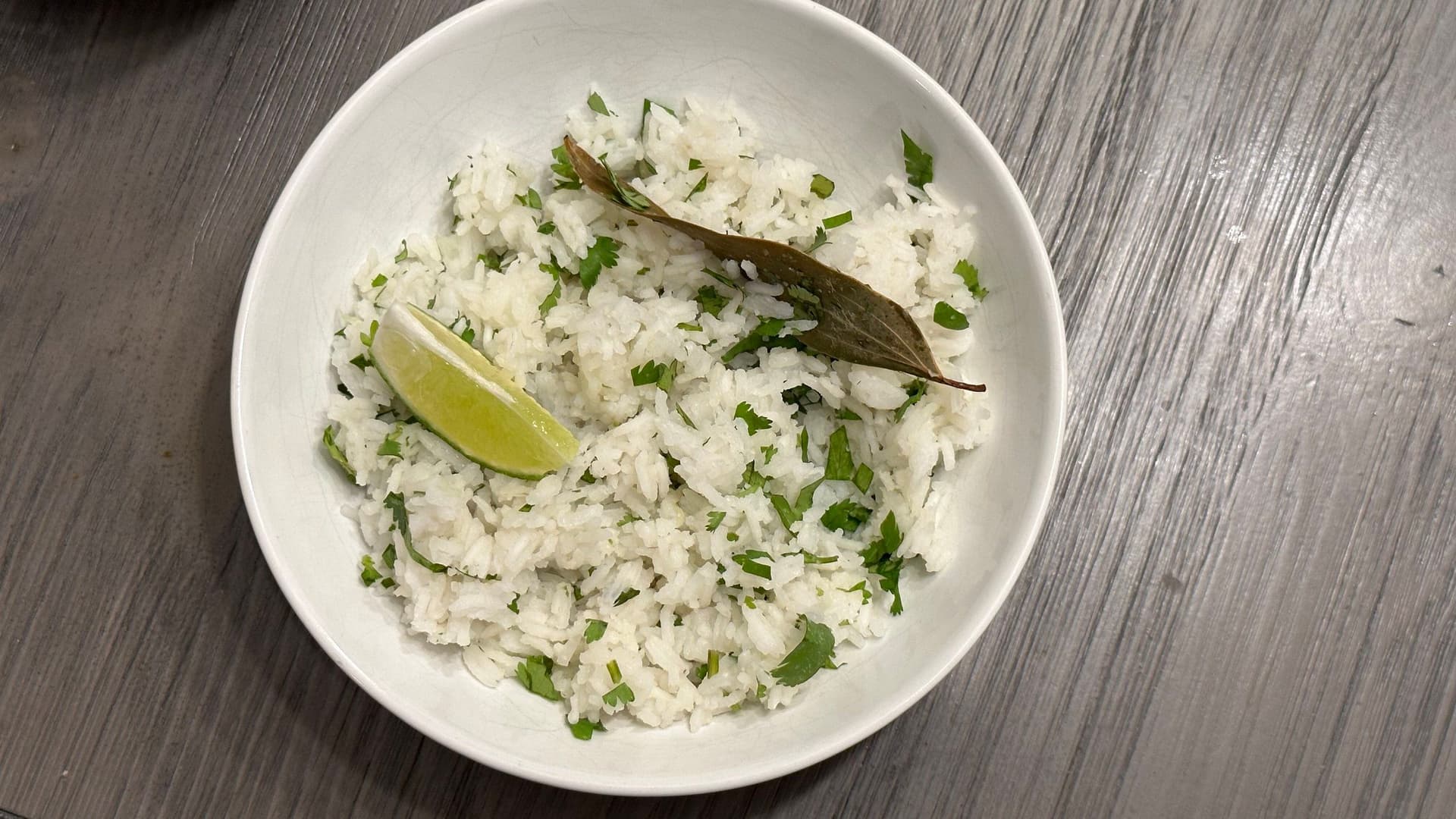
Flavorful Indian Cilantro Lemon Rice Recipe
Bright, zesty, and ready in minutes, this Indian Cilantro Lemon Rice is a flavorful vegetarian dish packed with fresh herbs and bold spices. A quick and easy recipe you will love.
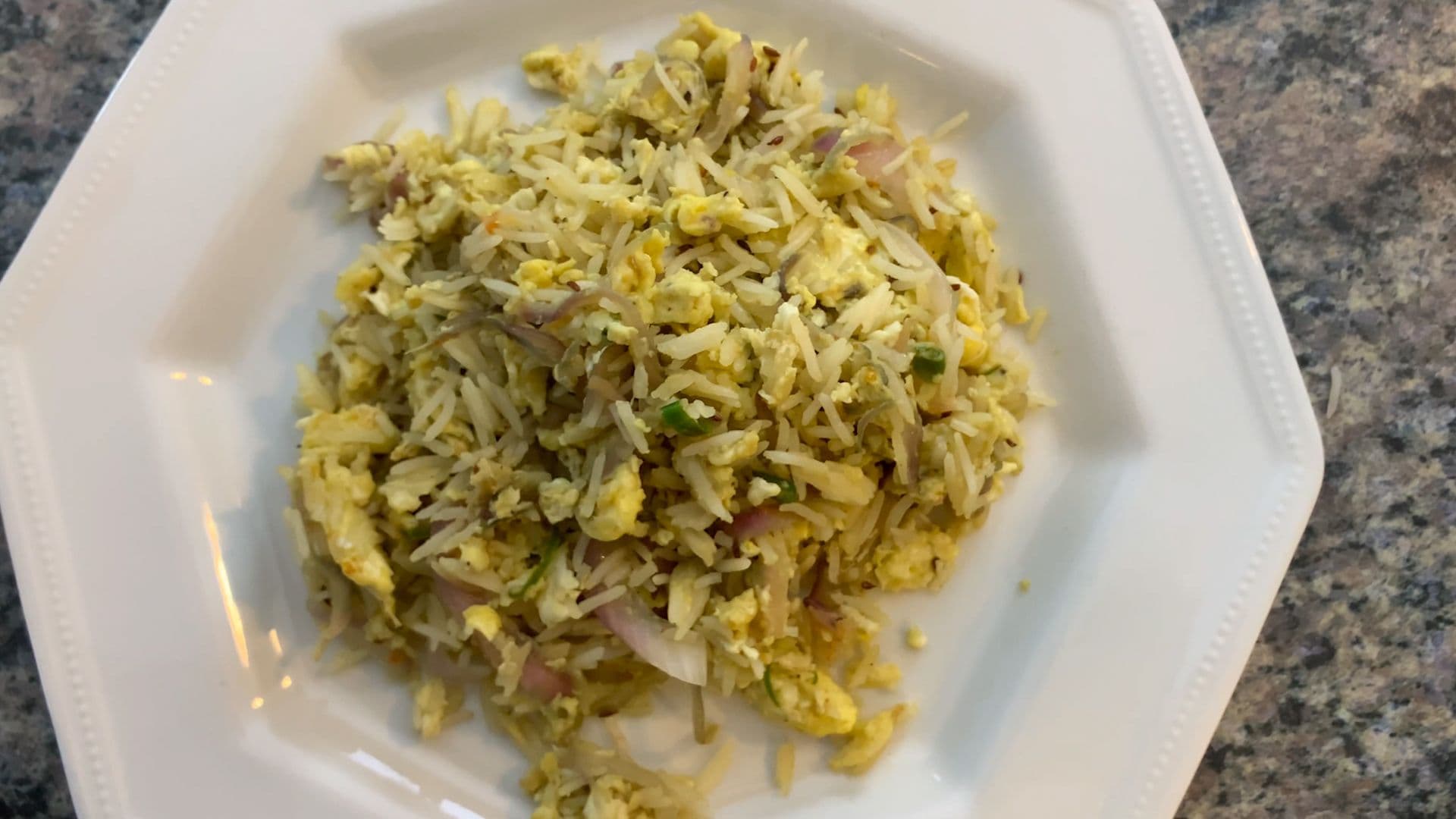
Quick & Delicious Indian Egg Fried Rice Recipe
Quick, spicy, and packed with flavor, this Indian Egg Fried Rice is the perfect homemade meal for brunch or lunch. Ready in minutes with simple ingredients you already have at home.
Super Fragrant Restaurant-Style Jeera Rice Recipe
Make restaurant-style jeera rice at home with this easy, fragrant recipe. Perfectly fluffy basmati rice loaded with aromatic cumin — a simple Indian classic ready in minutes.
Pudina-Dhanya Pulao (Coriander Mint Rice)
Pudina-Dhanya Pulao is a fragrant Indian mint and coriander rice that comes together quickly for a healthy, flavorful vegetarian side dish perfect for any weeknight meal.
Easy And Aromatic Fluffy Indian Turmeric Rice
Fluffy Indian Turmeric Rice made easy and aromatic with simple spices. A quick vegetarian side dish perfect for any meal. Bright, fragrant, and ready in minutes.

Instant Pot Khichdi - Lentils & Rice Porridge
Warm, comforting Instant Pot Khichdi is the ultimate one-pot Indian meal. This creamy lentil and rice porridge comes together fast and makes an easy, satisfying vegetarian lunch or dinner.


Comments
No comments yet — be the first to share your thoughts!
Leave a review
Be the first to share how it went — your note helps other cooks (and earns the recipe its stars).