
spice blooming
The 60-second move that separates restaurant Indian food from everything else
Tadka — blooming whole spices and aromatics in hot fat — is the foundational technique behind almost every Indian dish. Here is exactly what happens, why it works, and what to listen for.
Cooking With Anadi
12K subscribers · New recipe every week
You have eaten it a hundred times in a restaurant. You have probably never tasted it the same way at home. The difference usually is not the recipe, and it is not some secret ingredient — it is a single 60-second step at the start or the finish that most home recipes skip or rush.
That step is tadka: blooming whole spices and aromatics in hot fat. Once you understand what it actually does, you will hear and smell when it is right, and your cooking changes permanently.
What tadka actually is (and what it isn't)
Tadka goes by many names — chhonk, chaunk, baghar, vagharni — depending on where in the subcontinent you are. It is not just "frying spices." It is a timed extraction: hot fat pulls the fat-soluble flavor compounds out of whole spices and carries them through the entire dish.
There are two ways it shows up. An opening tadka builds the base of a dish — spices bloom first, then the onions and aromatics follow. A finishing tadka is poured over an already-cooked dish, like the sizzle of cumin and chili ghee spooned over a bowl of dal at the end. Both matter.
What is actually happening
The flavor you want lives in volatile, fat-soluble compounds locked inside whole spices. Water cannot release them — that is why toasting spices in a watery sauce tastes flat. Hot fat can. The oil becomes a carrier that distributes that flavor evenly through everything you add next.
Timing follows the spice. Cumin needs about 30 seconds. Mustard seeds go until they pop. Curry leaves fry until their violent sizzle quiets to a whisper — that quiet is the water finishing off. Different densities, different windows.
Step by step
- Heat the pan dry first, then add the fat. Ghee carries flavor beautifully; a neutral oil works when you want the spices to lead.
- Test the heat: a drop of water should evaporate almost instantly, not just sit and splutter.
- Whole spices go in first, in order of how long they take — the slow ones (cumin, mustard, fennel) before the fast ones.
- Add aromatics (onion, ginger, garlic) once the spices have bloomed.
- The moment the smell turns from raw to toasted and nutty, move — add your next ingredient. The window is short.
What to watch and listen for
This is the part no recipe writes down. Cumin should go golden, not brown — brown means bitter. Mustard seeds pop and jump; pull the heat the moment they do. Curry leaves crackle hard, then settle. The smell is the real signal: raw and sharp means not done; toasted and nutty means go; acrid and dark means start over.
Common mistakes
- Pan too cold. The spices steep instead of bloom and you get a dull, raw flavor.
- Too much oil. Spices float and never touch the hot metal where the action happens.
- Wrong order. Ground spices added too early scorch before the aromatics soften.
- Walking away. Tadka waits for no one — have your next ingredients ready at the pan.
Common questions
What is the difference between tadka and just frying spices?
Frying is incidental; tadka is a timed extraction. You are deliberately pulling fat-soluble flavor out of whole spices in hot fat and stopping at the exact moment the aroma turns nutty — before anything burns. The control and the timing are the technique.
Can I use ground spices for tadka instead of whole?
You can, but they behave differently — ground spices bloom in seconds and scorch almost as fast. Add them after the aromatics have softened, stir for under a minute, and add liquid quickly. Whole spices are far more forgiving for a beginner.
Ghee or oil for tadka?
Both work. Ghee adds its own nutty depth and is traditional for finishing tadkas; a neutral oil lets the spices lead and has a higher smoke point. For most everyday cooking, either is fine — the technique matters more than the fat.
Why do my spices taste bitter?
They went past golden into brown. Cumin in particular turns bitter the moment it darkens. Lower the heat slightly, watch the color, and add your next ingredient the instant the aroma blooms rather than waiting for deep color.
Tarka, tempering, chhonk: same technique, different names
Tarka is the spelling you will see on most menus and in most Indian cooking books, and tempering is the English word for it. The idea is the same everywhere: hot oil at high temperature, whole spices dropped in for a few seconds, and the sizzling result poured onto a dish or used as the start of one. In Indian cuisine it is the single most reusable cooking technique, because it works on lentils, vegetables, rice, yogurt, and soups alike.
Which spices go in, and why the order matters
A classic tempering uses cumin seeds, mustard seeds, fennel seeds, fenugreek seeds, red chilis, and curry leaves, in different combinations by region. Bengali cooking uses panch phoron, a mix of five whole seeds, while a South Indian tempering often adds urad dal for a nutty crunch and a pinch of asafoetida for a savoury, onion-like depth. Different spices need different times, so the heavier seeds go in first and the delicate ones, like asafoetida and dried chilis, go in last, only seconds before the next ingredient.
Why hot oil brings out flavour
The aromatic compounds in whole spices dissolve in fat far better than in water, which is why spices bloomed in hot oil taste fuller than spices stirred into liquid. Those same essential oils are what you smell when a tempering hits the pan. The oil then carries that flavour through the whole dish. Cooks in many households also say a tempering of cumin, fennel, and asafoetida makes a meal of lentils feel lighter on digestion, which is a traditional belief rather than something this page can promise.
Beginning of cooking or garnish: two ways to use it
Used at the beginning of cooking, tempering is the base of the dish: the spices bloom first, then onions and aromatics follow. Used as a garnish, it is poured over a finished bowl of dal, yogurt, or soup, so the sizzle lands right at the table. For a garnish, finish with a little fresh coriander and other herbs, which add freshness against the rich, hot oil. Either way, the whole thing takes about a minute, and the difference between different spices blooming well and burning is a matter of seconds.
Put it into practice
Now Go Cook It

Flavorful Instant Pot Dal Tadka - Mixed Lentils
Cozy, flavorful Dal Tadka made easy in the Instant Pot! Mixed lentils simmered with aromatic spices make the perfect homestyle Indian dinner. Serve over rice for a hearty, satisfying meal.

Indulgent Restaurant-Style Dal Makhani Recipe
Rich, creamy, and deeply satisfying, this restaurant-style Dal Makhani brings bold Indian flavors straight to your kitchen. A hearty vegetarian dinner the whole family will love.

Easy Maseladar Instant Pot Chana Dal Recipe
Make this easy Maseladar Chana Dal in your Instant Pot for a rich, flavorful Indian lentil dish perfect for weeknight dinners. Serve with rice for a comforting homestyle meal.
See it in action
Recipes Using This Technique
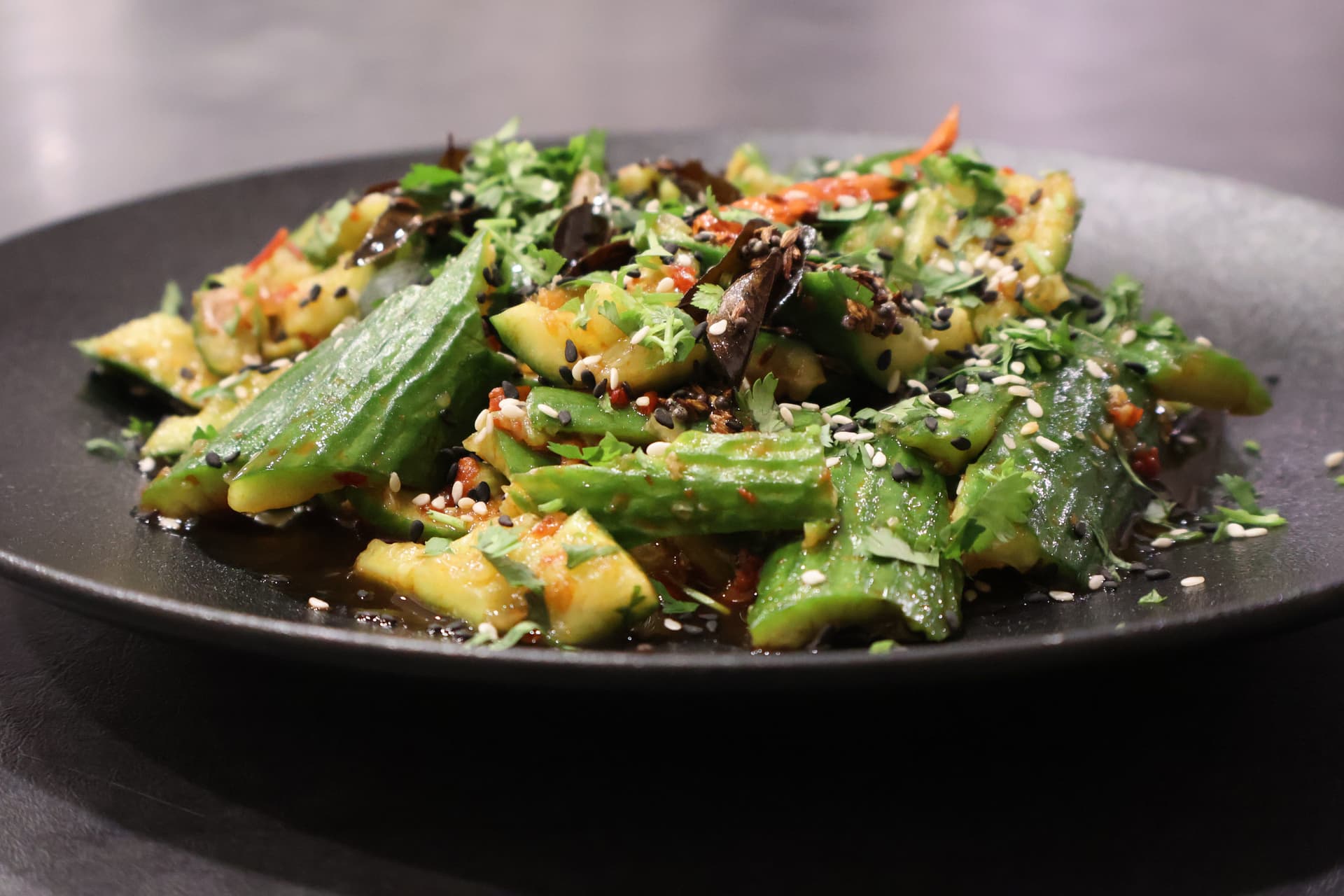
Indian Fusion Smashed Cucumber Salad
This Indian Fusion Smashed Cucumber Salad combines a tangy sesame-soy-chili dressing with a smoky cumin-mustard tadka for a refreshing, crave-worthy summer side dish. Vegan and ready in minutes.

How To Make Cumin Mustard Seed Tadka: A Step By Step Guide
This cumin mustard seed tadka is perfect to top lentils or even for the fusion smashed cucumber salad recipe! It's easy, smoky, and delicious!

Air Fryer Aloo Patty Recipe (Potato Puff Pastry)
Crispy, golden Aloo Patty made easy in the air fryer! Flaky puff pastry filled with spiced potato stuffing — a classic Indian snack perfect for lunch or dinner. Ready in minutes with minimal oil.
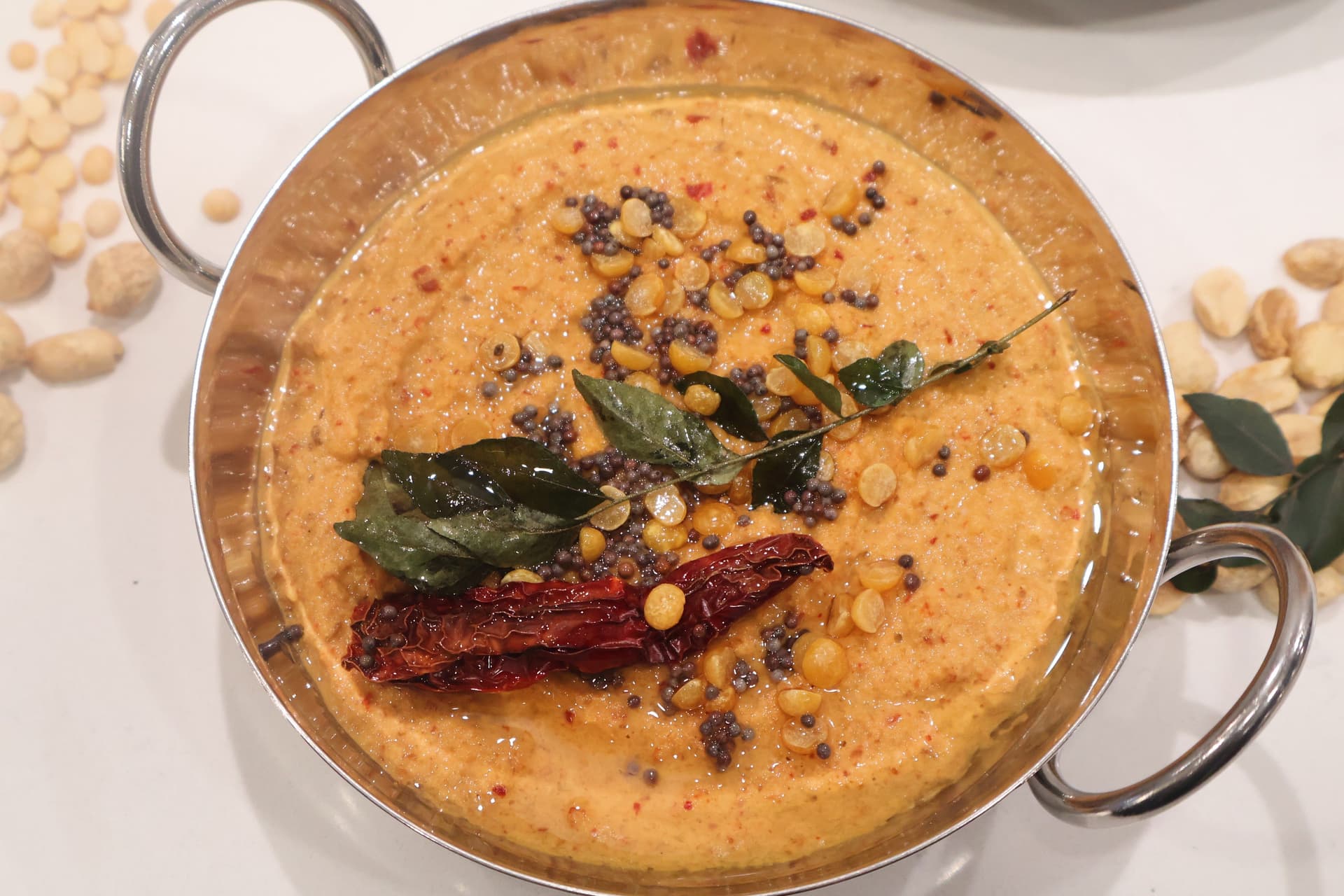
Delicious South Indian Roasted Peanut Chutney Recipe
Creamy, smoky, and ready in minutes, this South Indian roasted peanut chutney is the perfect dip for dosas and idlis. A simple vegetarian essential you will want to make again and again.

Delicious Punjabi Lobia Recipe: Step-by-Step Guide
Make authentic Punjabi Lobia at home with this easy step-by-step guide. A hearty, flavorful black eyed pea curry packed with bold spices — perfect for a satisfying vegetarian Indian meal.
Free guide
7 Quick Dinners
Easy weeknight dinners you'll make on repeat.
40,000 home cooks a month cook from this site. Get one tested recipe a week from it, plus the weeknight tip that makes it work.
Comments
No comments yet — be the first to share your thoughts!
Leave a comment
Be the first to comment.