
paneer cooking
The paneer problem nobody warns you about — and the line cook fix
Paneer behaves nothing like tofu. It does not absorb marinade the same way, and it will become rubbery if overcooked. One mental shift — confident heat, leave it alone — fixes 90% of paneer failures.

Everyone has had the same paneer failure: it sticks to the pan, crumbles when you move it, or turns into rubbery cubes in the sauce. Most people blame the paneer. The paneer is not the problem.
One mental shift fixes about 90% of it: confident heat, then leave it alone. Here is why that works.
Paneer is not tofu
Most home cooks approach paneer the way they approach tofu — long marinade, gentle handling, medium heat. All three are wrong. Paneer is a fresh, acid-set cheese with very low moisture. It does not absorb marinade through its surface the way tofu does, because it has no open structure to soak into. It does not need gentle handling — it is denser and more stable under heat than tofu. And it needs high heat to build a crust before the inside overcooks.
Drop the tofu model and everything else falls into place.
The hot-pan principle
The pan must be genuinely hot before the paneer goes in — a drop of water should skitter and vanish instantly. Add a neutral oil or ghee, lay the cubes down, and then do not touch them. Do not press, do not stir, do not shake the pan.
Wait for the crust. When you first try to move a cube it will resist — that is the Maillard crust forming and gripping the pan. The moment it releases and slides freely, it is ready to flip. One flip, the other side, done. Two to three minutes a side, maximum.
Why paneer turns rubbery
Paneer's protein (casein) tightens fast above about 70°C, and the gap between "perfect" and "rubber" is narrow. Two things cause it: cooking on low heat for too long, which overcooks the inside before the outside crisps; and leaving it in the sauce too long. A line cook's rule is to sear paneer separately and add it to the curry only for the last 90 seconds. Reheating a paneer curry hard will seize it up too — reheat gently, or add fresh cubes.
Marinade vs. dry rub
A yogurt (tandoori-style) marinade works by surface coating and gentle acid, not deep penetration — 30 minutes is plenty, and overnight barely improves on it. A dry spice rub (cumin, chili, amchur) needs no resting time at all: coat the cube and go straight to the hot pan, where the sear seals the spices on. Either way, the pan technique matters more than the marinade.
Common mistakes
- Pan not hot enough. Paneer sticks and tears instead of releasing.
- Moving it too early. Trust the crust — if it resists, it is not ready to flip.
- Too long in the sauce. Add paneer at the very end, not the start.
- Searing wet paneer. Pat it dry first; surface water steams instead of browning.
Common questions
How do I stop paneer from going rubbery?
Use high heat for a short time and keep it out of the sauce until the end. Sear the cubes hard for 2–3 minutes a side, then add them to the curry for only the last 90 seconds. Long, low cooking and long simmering are what make it rubbery.
Do I need to soak paneer in water before cooking?
Soaking briefly in warm water can soften block paneer that has firmed up in the fridge, but pat it completely dry before it hits the pan — surface water prevents the crust from forming. Fresh, soft paneer needs no soak.
Why does my paneer stick to the pan?
The pan wasn't hot enough, or you tried to move the cubes before the crust formed. Get the pan properly hot, add fat, lay the paneer down, and wait until each piece releases on its own before flipping.
How long should paneer stay in the curry?
About 90 seconds at the end of cooking — just long enough to warm through and take on the sauce. Adding it early and simmering it tightens the protein and ruins the texture.
Pan-Fried Paneer, Start to Finish
The method on this page is pan-fried paneer on the stove: a hot pan, a thin layer of oil or ghee (a couple of tablespoons is plenty for a pan of cubes), and about 2 to 3 min a side, until each piece is golden brown. Use the same pan-fried paneer in any of your paneer recipes, from a dry tikka-style dish to a gravy, and the ingredients on the paneer itself stay minimal: just the paneer, fat, and a pinch of salt.
Why Indian Restaurants Sear It Separately
There is no big secret here, and no special ingredient. Indian restaurants keep paneer from going rubbery by searing it in its own pan and adding it to the gravy at the end, so it only warms through. That one habit is behind most of the soft, golden paneer you get in restaurant dishes. It works the same for vegetarians cooking paneer as a main protein, whether it ends up in a creamy gravy, a dry stir-fry, or a wrap.
Where This Does Not Apply: Malai Kofta
Not every paneer dish uses cubes. In malai kofta, paneer is mashed into dumplings and fried, which is a different technique from searing a cube, so the hot-pan rules on this page are about cubes and slabs. Everything here also assumes a block of paneer. The same sear works on store-bought and homemade paneer, as long as the surface is dry.
If You Make Your Own Paneer
This page is about cooking paneer, not making it, but a quick note helps. Homemade paneer starts with milk brought to a boil, then curdled with lemon juice or vinegar. The milk solids separate from the whey, and you strain them through muslin or cheese cloth, rinse with cold water to remove the sour taste, and press them into a block. Homemade paneer is softer and more delicate than a store-bought block, so handle it gently, and cook it within a few days. Keep paneer in the refrigerator, and pat it dry before it goes in the pan.
Salt and Flavor
If you use a dry spice rub, put it on right before the cubes go in the pan, as described above. Salt is the one thing to hold back: it pulls water to the surface of the paneer, and surface water is what stops a crust from forming. Sprinkle the salt on after the sear, and the flavor sticks to the browned surface instead of steaming off.
Put it into practice
Now Go Cook It

Experience Royalty With This Paneer Butter Masala Recipe
Creamy, rich, and fit for royalty, this authentic Paneer Butter Masala recipe brings homemade Indian comfort food to your table. A vegetarian dinner the whole family will love.

Super Easy Homestyle Indian Palak Paneer Recipe
Make creamy, homestyle Palak Paneer from scratch with this super easy Indian recipe. Fresh spinach, soft paneer, and bold spices come together for an authentic, comforting meal anyone can make.

Super Tender Air Fryer Paneer Tikka Recipe
Make restaurant-quality Paneer Tikka at home in your air fryer. Tender, smoky, and perfectly charred, this easy Indian vegetarian starter is ready in minutes with bold tikka flavors.
See it in action
Recipes Using This Technique
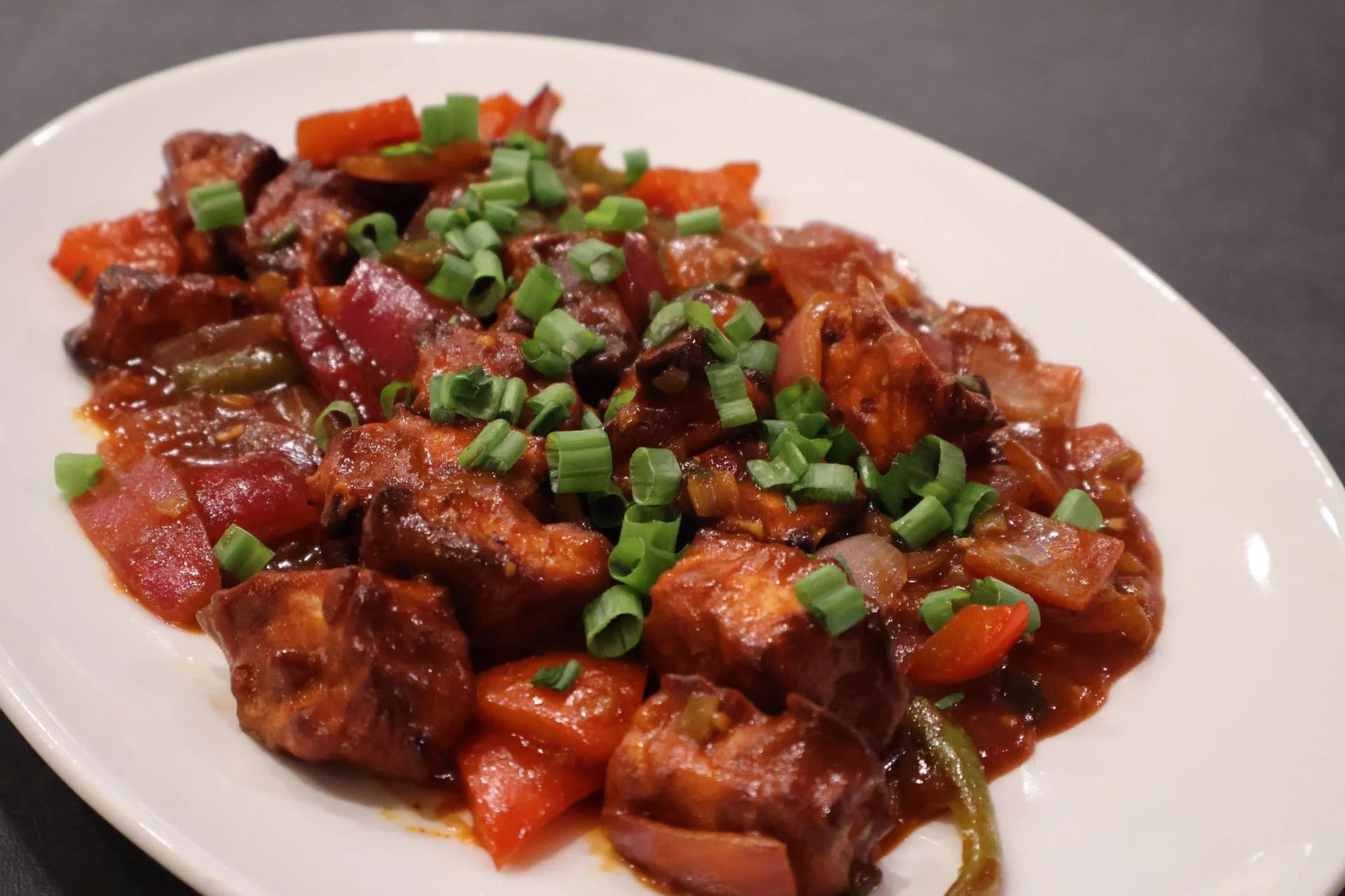
How To Make Air Fryer Chili Paneer (Easy And Delicious)
Make crispy, flavorful Air Fryer Chili Paneer at home with this easy recipe. A delicious Indian starter ready in minutes — perfect for impressing guests or a tasty snack any day.

Upgrade Your Nacho Game with Paneer Pakora Nachos
Crispy paneer pakora nachos with a bold Indian twist. A vegetarian starter that upgrades nacho night with spiced paneer, vibrant toppings, and irresistible crunch in every bite.

Crispy Paneer Pakora Recipe - Ready in 30 Minutes!
Crispy, golden Paneer Pakora ready in just 30 minutes! A classic Indian street food snack with a crunchy gram flour coating and soft, creamy paneer inside. Perfect vegetarian starter for any occasion.
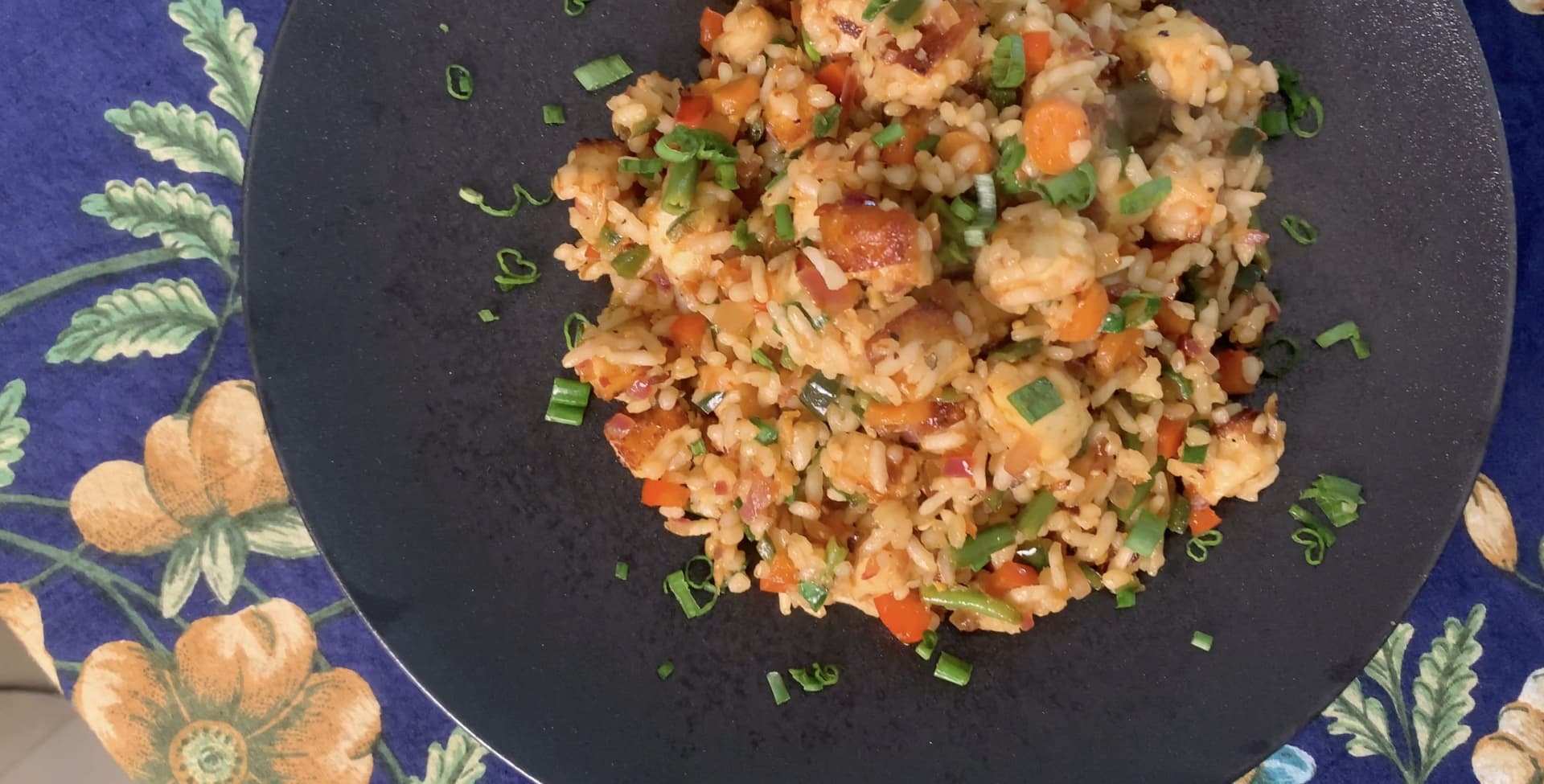
Discover the Perfect Fusion: Spicy Paneer Fried Rice
Spicy Paneer Fried Rice blends bold Indian flavors with Asian technique for a quick, satisfying vegetarian dinner. Crispy paneer meets fragrant spiced rice in one irresistible fusion dish you will love.
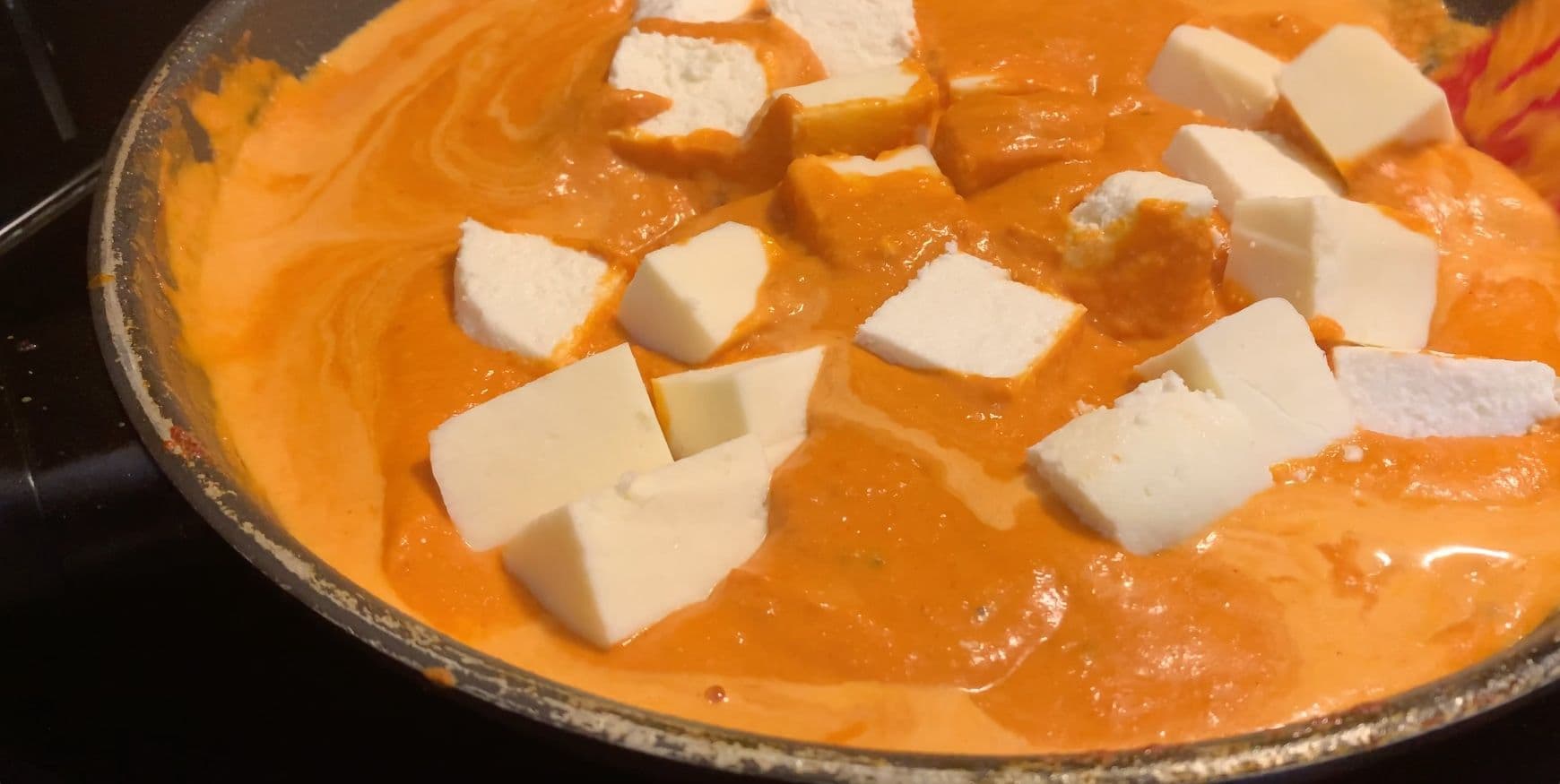
Delicious Shahi Paneer Recipe for a Royal Dining Experience
Indulge in a creamy, restaurant-style Shahi Paneer made right at home. This rich Indian vegetarian recipe is perfect for an impressive dinner that feels truly royal.
Free guide
7 Quick Dinners
Easy weeknight dinners you'll make on repeat.
40,000 home cooks a month cook from this site. Get one tested recipe a week from it, plus the weeknight tip that makes it work.
Comments
No comments yet — be the first to share your thoughts!
Leave a comment
Be the first to comment.