


This post may contain affiliate links. Read our disclosure policy
Watch the recipe

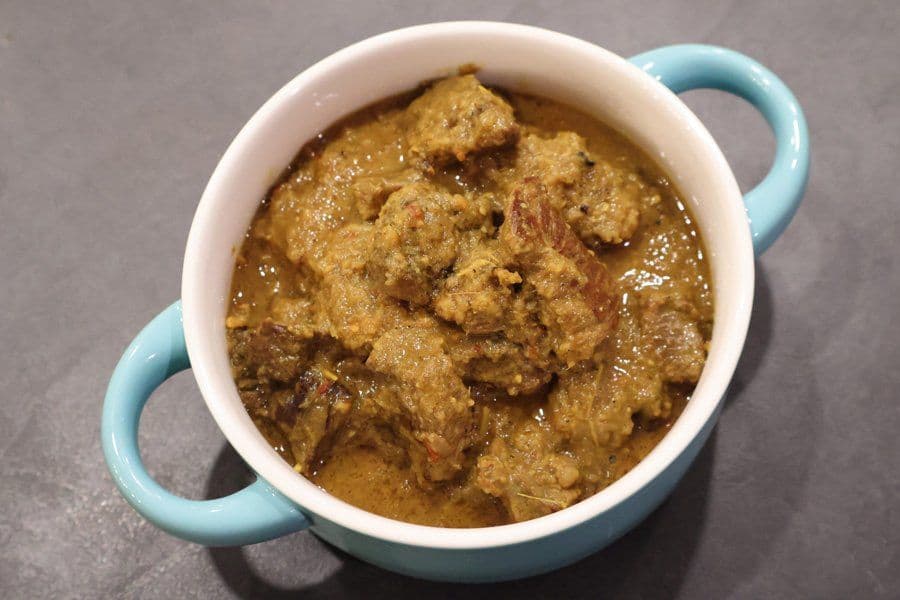
If you want to imagine that you’re at the sun-kissed shores of Bali without leaving your kitchen, then look no further! This easy stovetop Balinese Rendang recipe is not just a meal; it's an experience brimming with rich South Asian flavors and aromatic spices. Renowned for its tender beef and hearty sauce, this version offers a vibrant twist on the traditional Indonesian and Malaysian classic. If you’re in search of a new special meal to serve for your loved ones, then I guarantee you’ll find joy in preparing this dish—complete with a video guide to help you every step of the way. If you’ve always wanted to be transported to Bali and for it to no longer be a destination unseen, then be sure to prepare this mouthwatering rendang as part of Live to Cook one-month challenge! Be sure to start your cooking journey for free today by signing up to my email newsletter, plus you’ll never miss an exciting recipe idea!
Check out the video to follow along with all the steps we’ll take from making the spicy paste to completing our royal Balinese beef stew! I would appreciate it if you could subscribe to my YouTube channel and don’t forget to press the bell button to be notified when all of my video recipes are live! Let’s get cooking!
Why You’ll Love This Beef Rendang Recipe!
- (Almost) a one-pot dish: Besides blending the paste, making this Balinese beef curry only requires one large pot to get everything together!
- Ultra Tender Beef: The use of slow-cooked, stewing beef ensures that the meat becomes incredibly tender, promising a delightful texture in every bite.
- Incredible Richness: Infused with aromatic spices and a hearty coconut sauce, this recipe captures the essence of Balinese cuisine, offering a vibrant and unforgettable flavor profile that transports you to Bali.
- Simplicity: This recipe is designed to be approachable for cooks of all levels. With step-by-step guidance, you can create a restaurant-quality meal at home efficiently!
- Versatility: This dish pairs wonderfully with simple sides like steamed rice, allowing the flavors to shine. It can easily adapt to different cooking occasions, from family dinners to entertaining guests.
- Make-Ahead Friendly: The Balinese beef rendang recipe allows for easy preparation in advance, making it a practical choice for busy weeknights or special gatherings. It’s also freezer-friendly so you can always have this royal curry on hand!
Questions You May Have About This Beef Rendang Recipe!
What Is Balinese Beef Rendang Recipe?▼
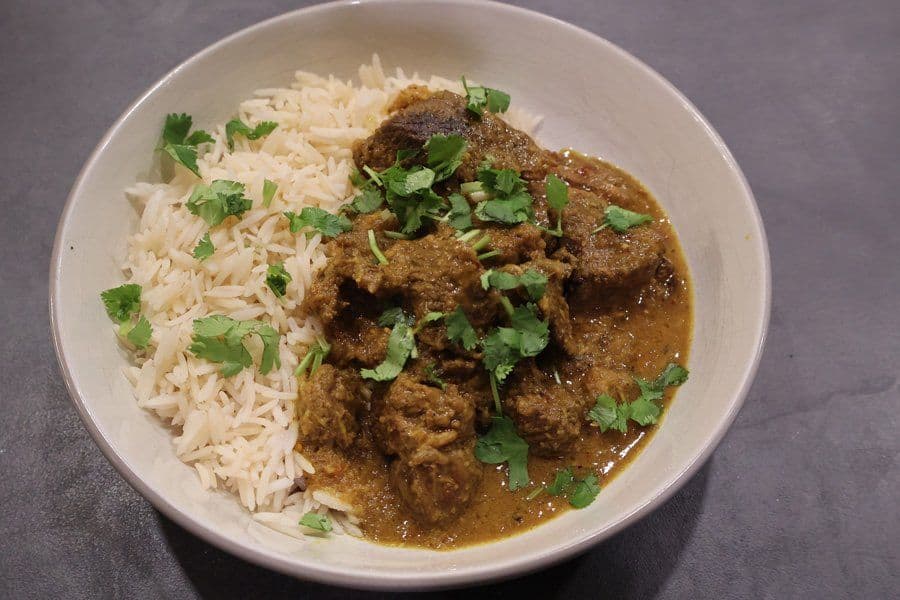
Balinese Beef Rendang (pronounced “ren-dung”), also known as Rendang Daging Bali, or Beef rendang base genep, is a beef stew that is inspired by Indonesian and Malaysian recipes. At its core, rendang consists of sautéeing beef until it’s juicy and tender, and slow cook it in a spicy and flavorful coconut sauce. Seconds will definitely be desired! It is truly a royal curry, and it is praised as being one of the most exquisite dishes all across the globe! This reminds me of the Indian butter chicken, a hearty and rich dish that’s essential to serve at major celebrations, such as weddings!
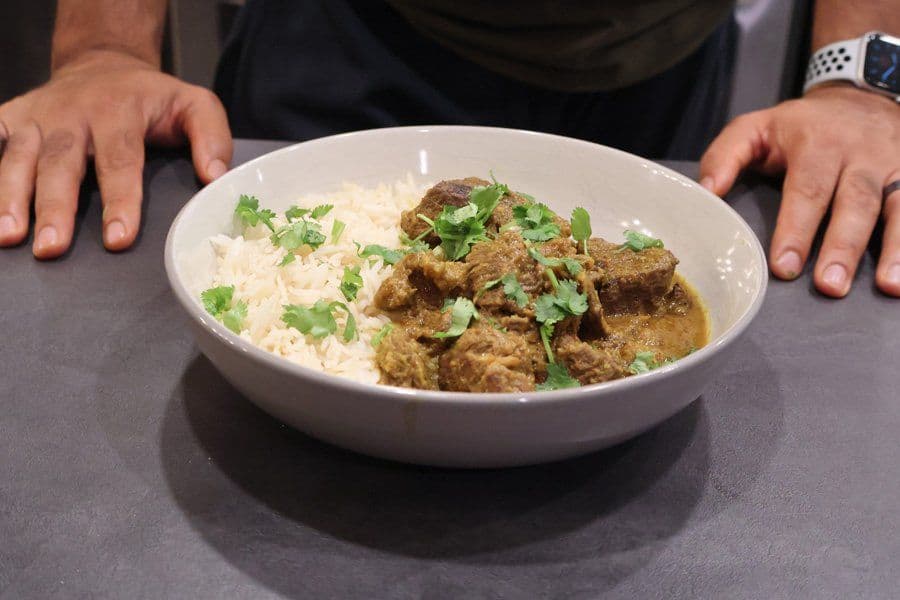
The difference between the Balinese adaptation compared to the Indonesian/Malaysian recipe is that this variation has more tropical flavors, which comes from the spice paste used in this recipe, called base genep, pronounced “bah-SEH guh-NEP”. This Indonesian yellow spice paste truly packs in a punch that you’ll love! Additionally, the Indonesian and Malaysian recipe is a dry curry, but today we’ll be preparing a saucy gravy. As you can see from an image search, this version features a smooth yellow sauce, and the Indonesian/Malaysian version is dark brown and chunky.
Now don’t be worried when you soon see the ingredient list! Yes, there’s quite a lot going on here, but the fact that we just need to blend ingredients for the spice paste together and then everything comes down to searing the beef and making the sauce, it’s worth all the prep work, and that large ingredient list really does have a purpose!
What Meat To Use for This Beef Rendang Recipe▼
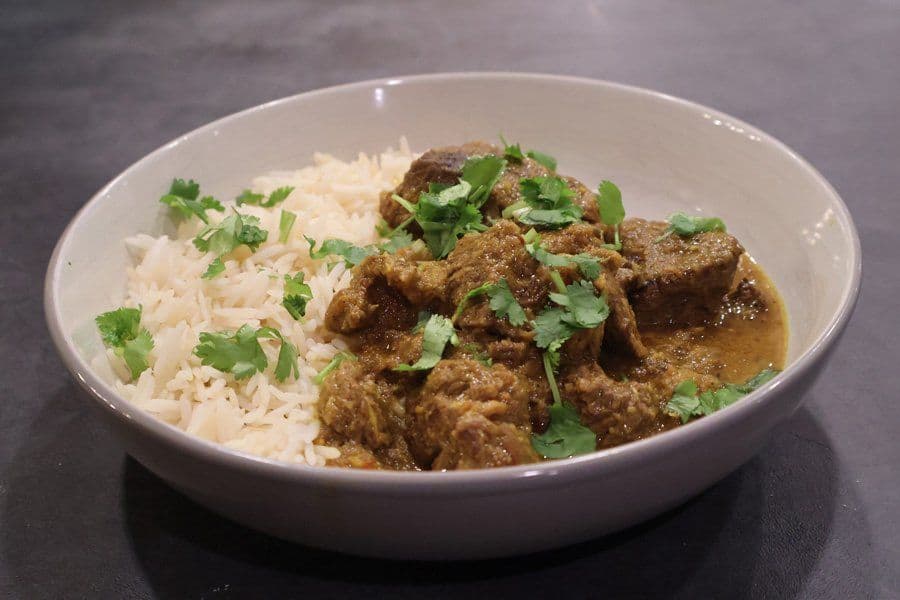
We want to actually use a cheap cut of beef for this dish because they’re the best for slow cooking! Since we’ll be cooking this dish low and slow, it would be a shame to use an expensive cut of beef since it will break down throughout the cooking. Cheap cuts of beef give you that tenderness where you can easily shred the meat.
Here are some options that you can pick from:
- Stewing beef: This is what I’ll be using here, and I bought it because it had a good sale! The chunks are nice and big and the end product is some extremely tender meat!
- Beef short ribs: These will be a step up and truly make this meal special!
- Beef chuck: Affordable and delicious.
Is This Rendang Daging Bali Spicy?▼
Yes, I will not sugar coat it and admit that this is quite a spicy dish! However, you can reduce the amount of heat by reducing the number of red chilies you’ll add in the paste. Additionally, you can add extra coconut milk as desired to balance out the heat.
What are The Key Ingredients?▼
There are a few of ingredients that make this rendang truly special and allow for this dish to shine! However, I know many of us don’t have access to the ingredients, and I want to highlight what substitutions can be made in a typical Western kitchen. I give more information in my free guide to explore your potential in the kitchen, Make Cooking Fun!!, how if there is a suitable substitution that you already have on hand, then use it! With that, here is a substitution list with everyday ingredients that you’re likely to already have:
- Galangal: This is a root that is part of the ginger family, and it is used both for cooking and medicinal uses in Indonesia. However, it’s not as spicy and you’ll notice more citrusy and peppery hints compared to ginger. For the base genep, I’m using double the amount of ginger you would typically use to account for the lack of galangal.
- Coriander seeds: Typically coriander seeds are used in this recipe, but I ran out of them and rarely use whole coriander seeds, so I didn’t want to buy more. Actually, the last of my coriander seeds were used to make freshly ground coriander, so that is my substitution!
- Nuts: Typically macadamia nuts are used for the spice paste, but I’ll be using roasted cashews.
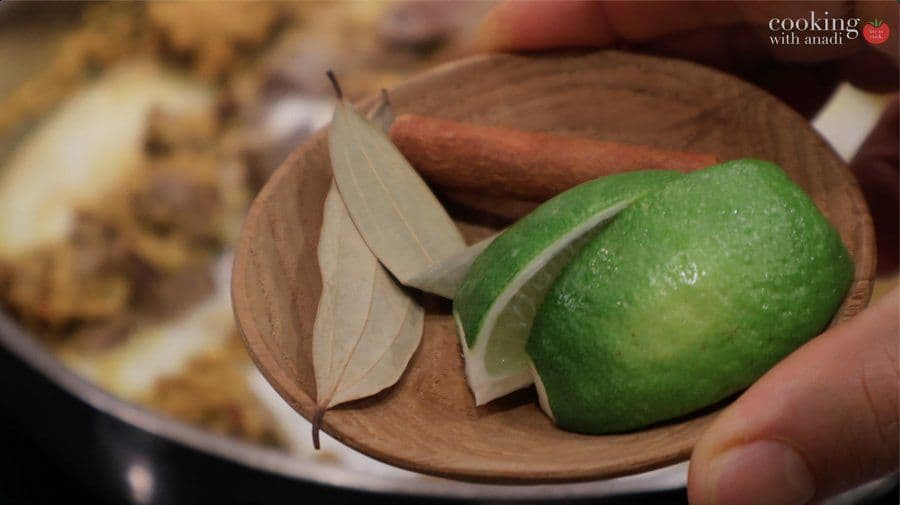
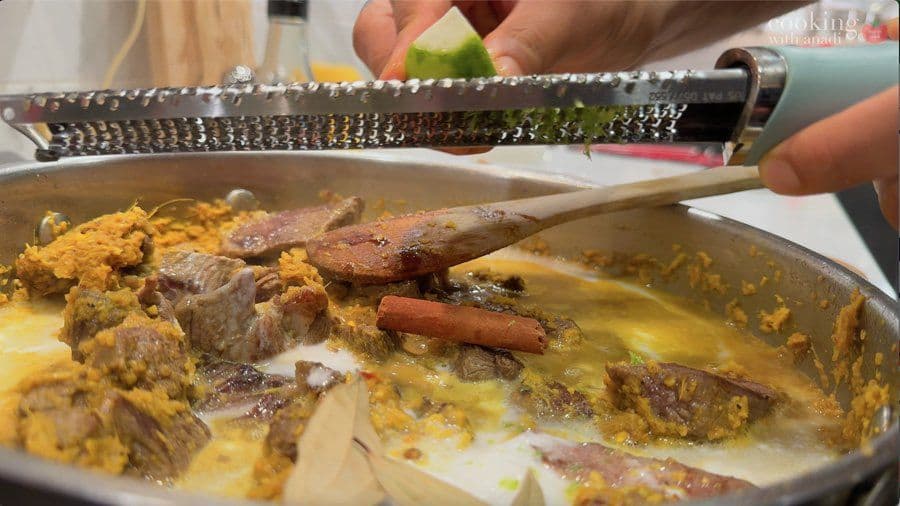
- Kaffir lime leaves: I once had dried ones, but they got quite old since I didn’t use them much. I’m substituting these with two bay leaves and lime zest from half a lime.
- Palm sugar: This is the traditional choice to balance out the heat in the dish, but light brown sugar is what I used as the sweetener here.
Is This Beef Rendang Bali-Style Recipe Healthy?▼
I would consider this dish to be an excellent meal and definitely a healthy option when it’s prepared mindfully. Thanks to the beef here, the dish is rich in iron and protein. Furthermore, we will be reducing the calories by using light coconut milk and by using half the amount that would be typically used. Don’t worry, we’re not going to lose flavor! Instead, we will replace the coconut milk with some extra beef broth. I found that this really deepened the flavors of the gravy even more!
Additionally, substituting certain ingredients, such as opting for low-sodium options, further enhances its health profile. Moreover, the dish is versatile and can be adapted to meet various dietary needs, being gluten-free and dairy-free if certain sauces are replaced accordingly. Including fresh ingredients like cilantro adds additional nutrients, making this dish a great choice for a balanced diet.
Dietary Information
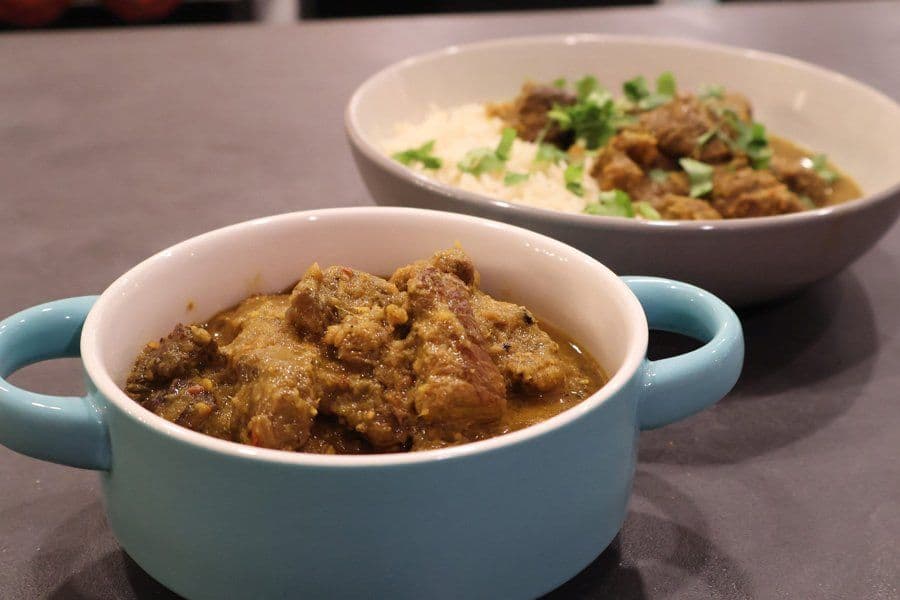
This recipe is…
- Gluten-free: If using a gluten-free soy sauce or fish sauce.
- High in protein
- Low in carbs
- Low in sugar
- Dairy-free
- Lactose-free
Tools Needed to Make This Easy Beef Rendang Recipe
- Kitchen scale
- Ramekins
- Measuring cups
- Measuring spoons
- Salt crock
- Cutting board
- Chef’s knife
- Mixing bowl
- Large pot
- Food processor
- Microplane
- Tongs
- Wooden spoon
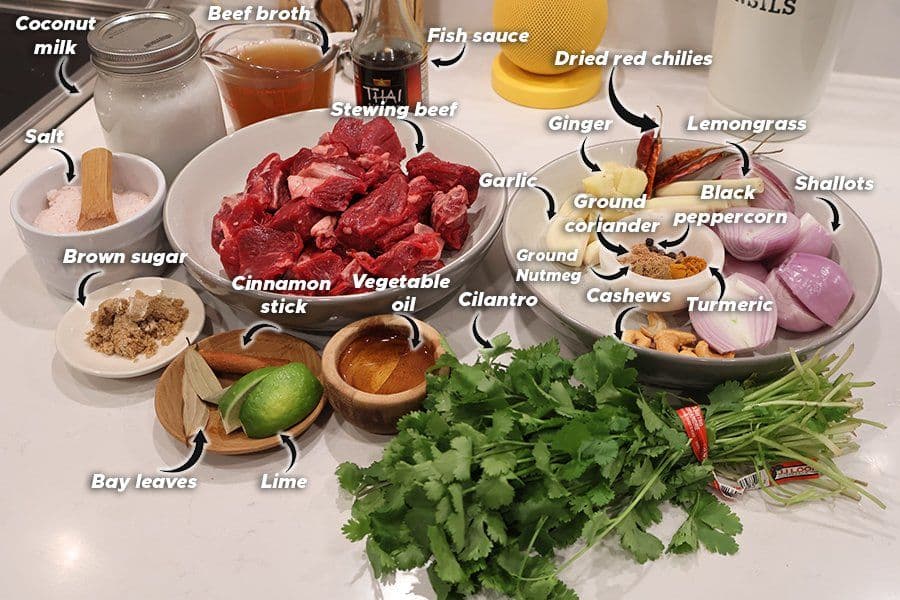
Ingredients for Bali Rendang
The FULL PRINTABLE recipe card has all ingredients and their quantities, so be sure to scroll to the bottom of this post or press the “Jump to Recipe” button to save the recipe for later! You can also use the card to scale the recipe based on how many portions you’re looking to make so that you have the right amount of meat to make sure everyone is satisfied! By default, this recipe uses about a pound and a half of beef.
For the Spice Paste (Base Genep)
- Garlic cloves
- Ginger
- Shallots
- Dried red chilies: You can use any kind of dried red chilies or even fresh red chilies. I chose to use arbol chilies.
- Ground nutmeg
- Ground coriander: Or whole coriander seeds.
- Black peppercorns
- Turmeric: I’ll be using ground turmeric here, but you could also use fresh turmeric root.
- Lemongrass: Only the white parts.
- Salt: Key to bring out all the aromatic flavors in the paste.
- Water: Lukewarm water to assist in forming the dough.
- Vegetable oil: We’ll add just a touch to help all the ingredients blend together. You can use any neutral oil such as canola oil, grapeseed oil or sunflower oil.
For the Rendang
- Beef: Stewing beef will be used here.
- Vegetable oil: A little bit for sautéing the meat and the spice paste.
- Beef broth: A carton of beef broth will be just fine, but my personal preference is to use Better than Bouillon beef paste mixed with water. I find the flavor is much more potent than broth in the carton!
- Coconut milk: To make the dish lower in calories, I’m using light coconut milk.
- Bay leaf
- Lime: We will use the zest of half a lime to replace the kaffir lime leaves combined with the bay leaf. Additionally, we will finish the dish with juice of half a lime.
- Cinnamon stick
- Brown sugar
- Fish sauce: To add umami to the dish, which is a key characteristic of the recipe! If you don’t have a gluten intolerance, you could also use soy sauce.
- Salt: Add at the end and adjust to taste.
- Cilantro: Freshly chopped for garnish.
How to Make This Balinese Beef Rendang Recipe
For the Base Genep (Spice Paste)
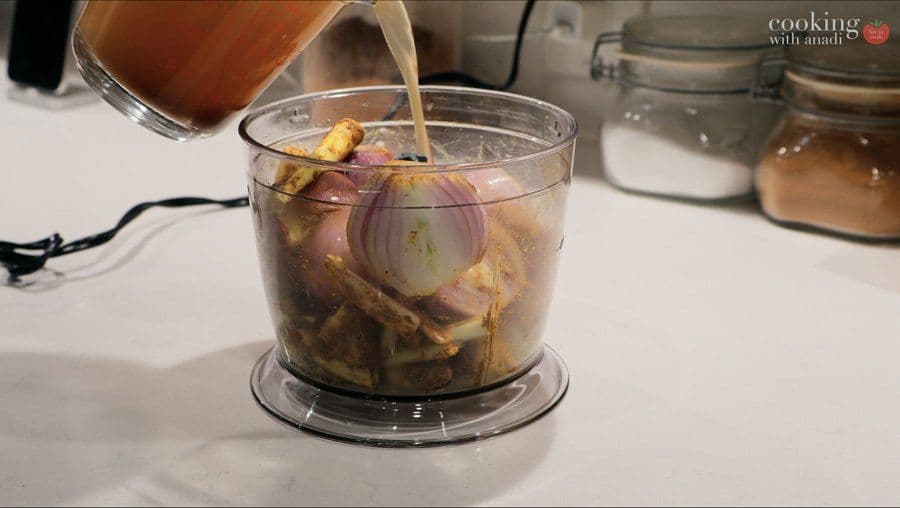
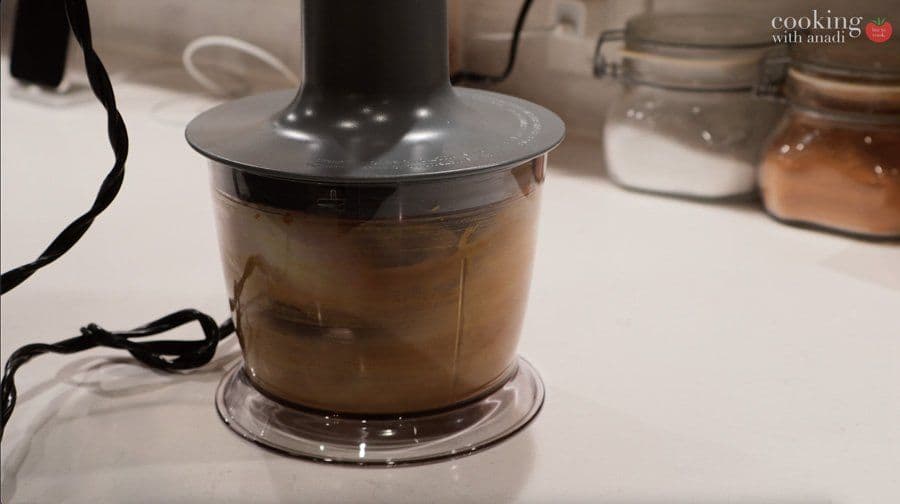
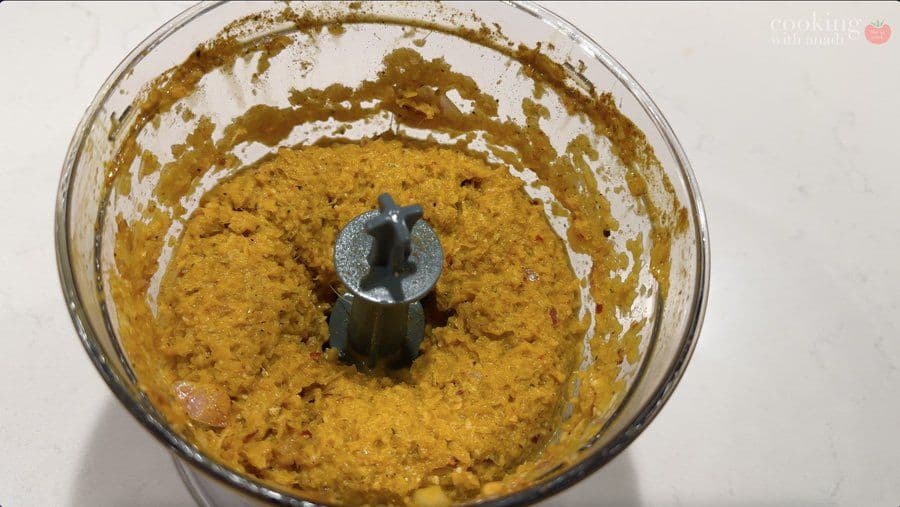
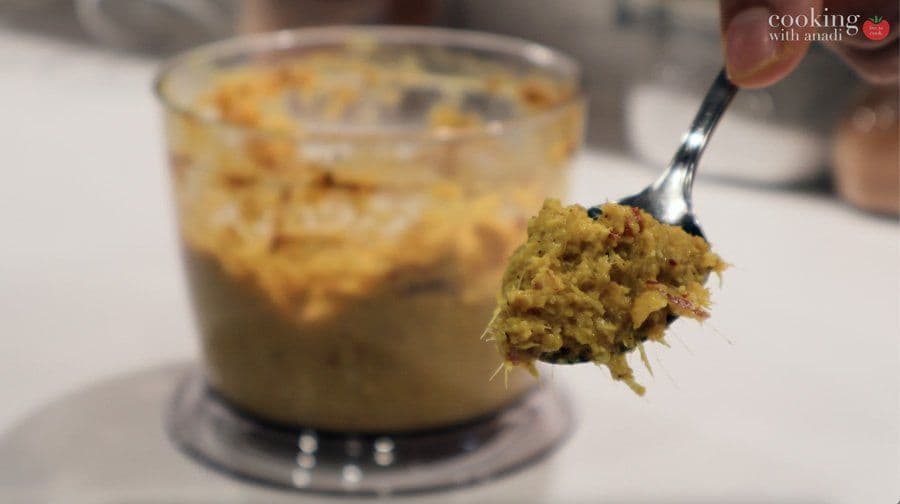
Add all spice paste ingredients to a blender or food processor. Add a tablespoon of oil and blend.


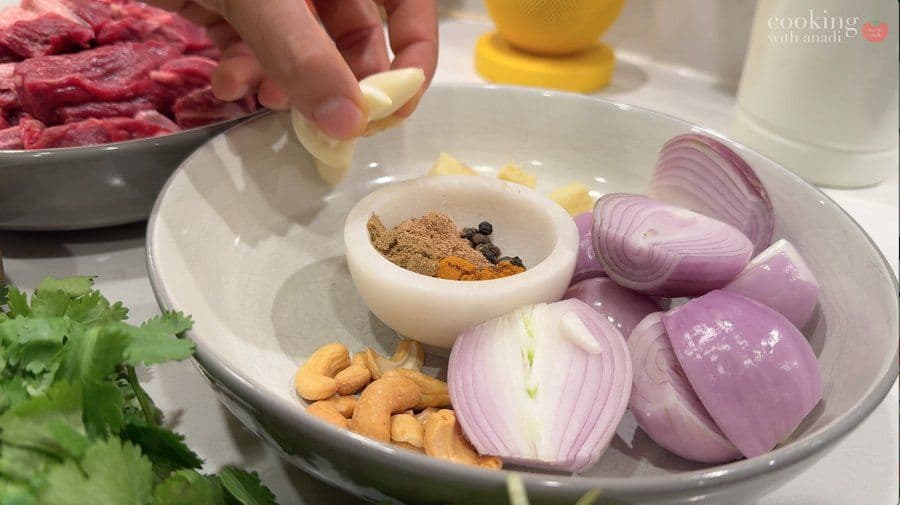
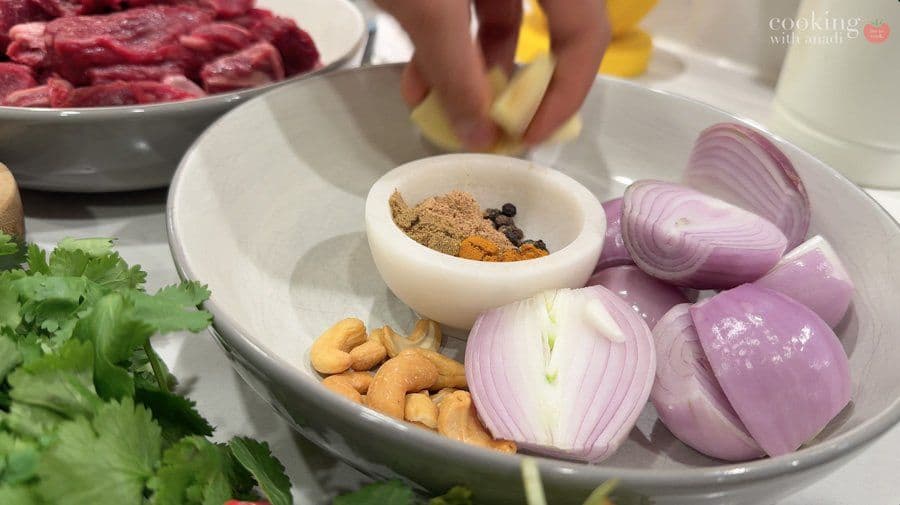
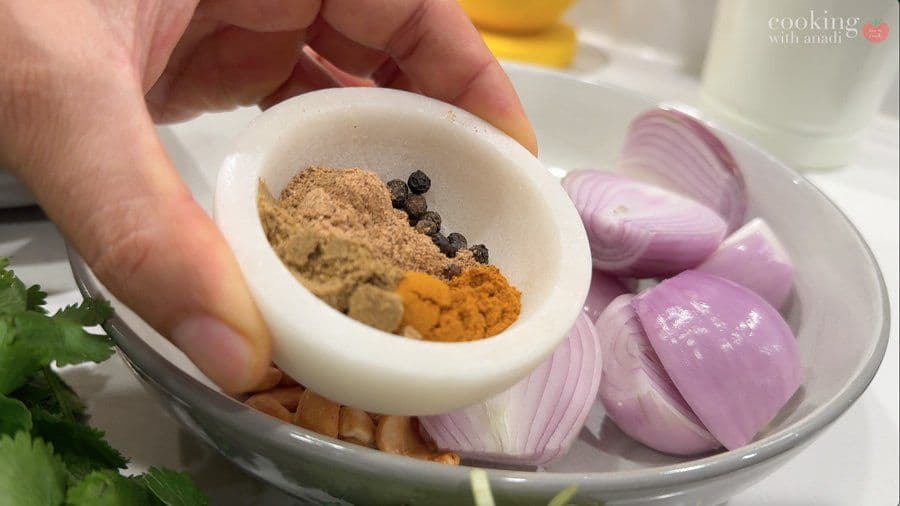
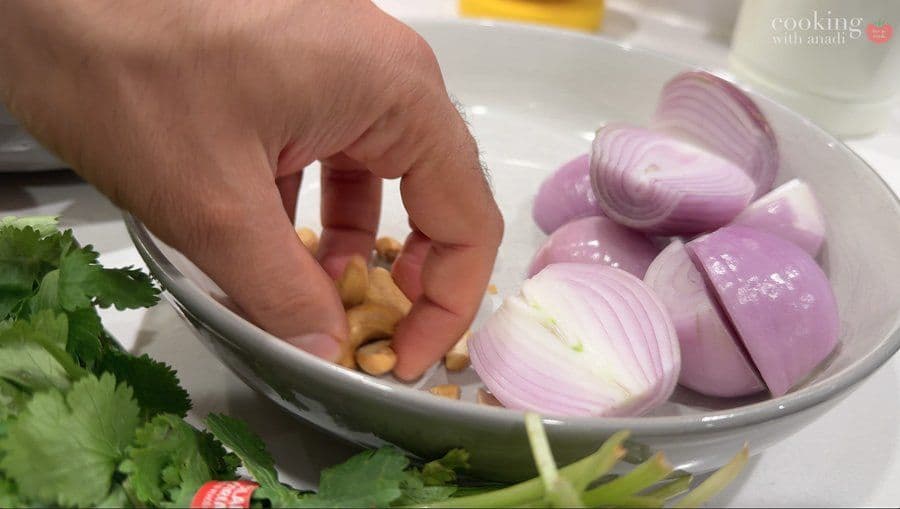
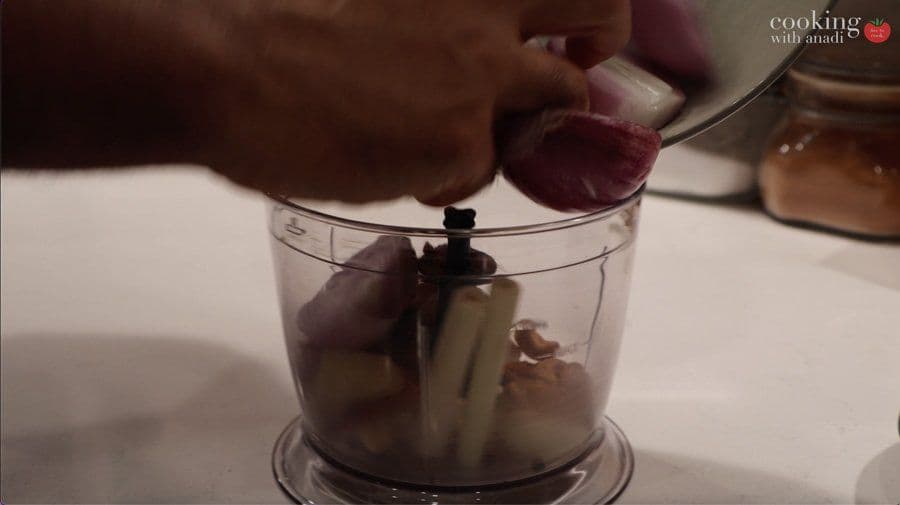
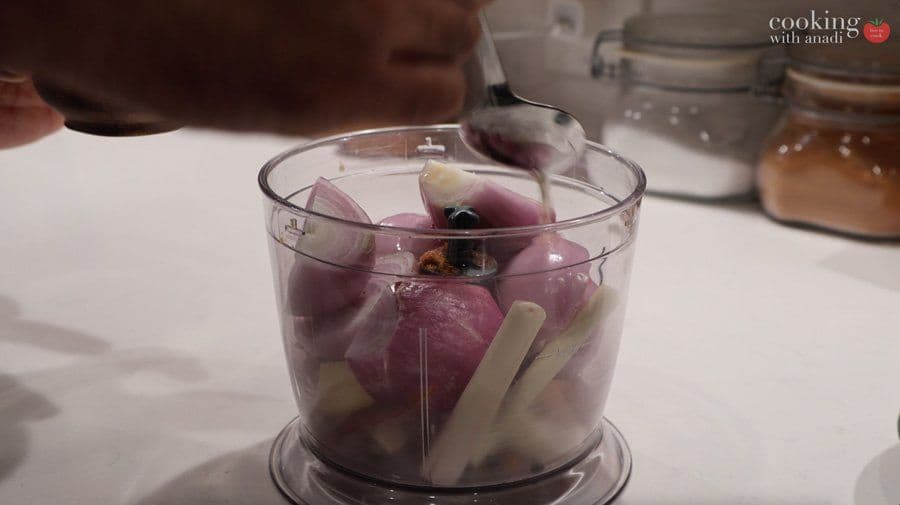
You will most likely need additional water or broth to get the blades moving.
For the Curry
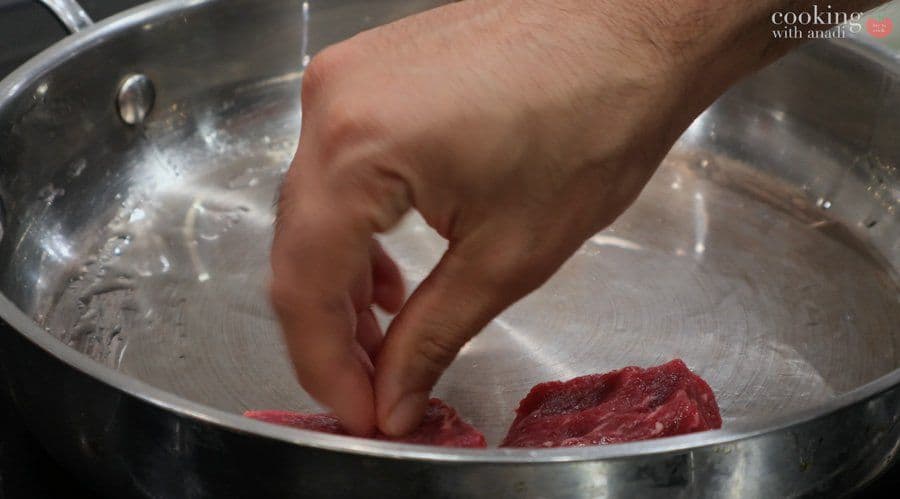
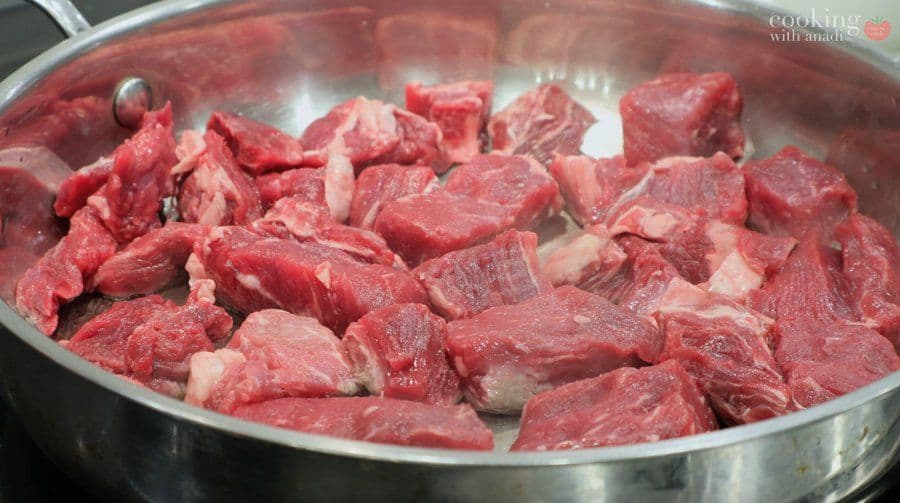
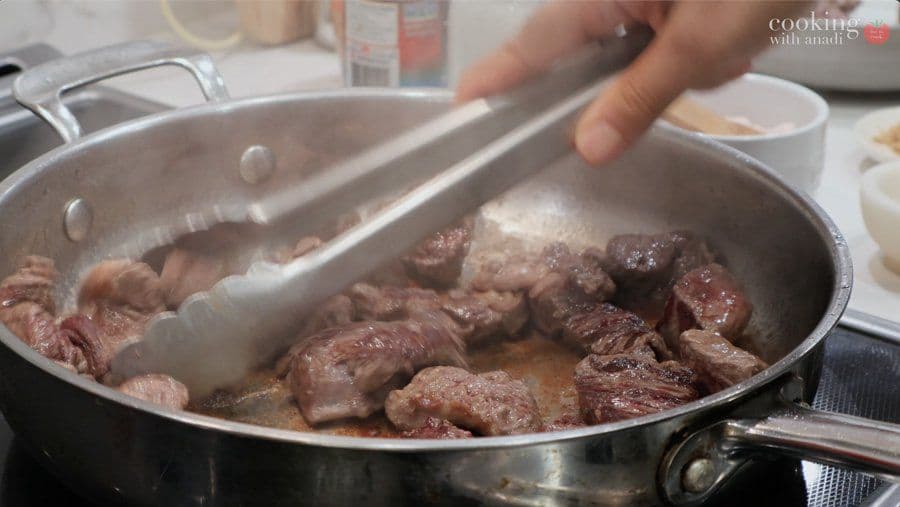
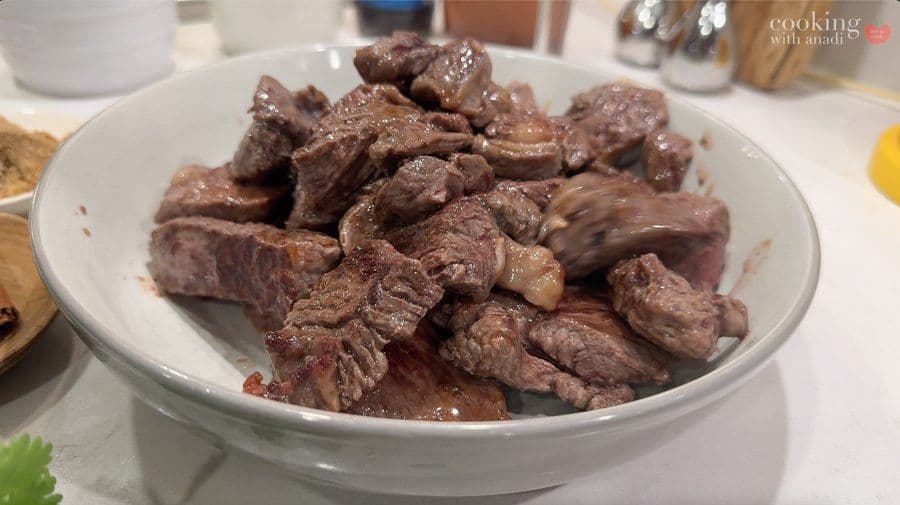
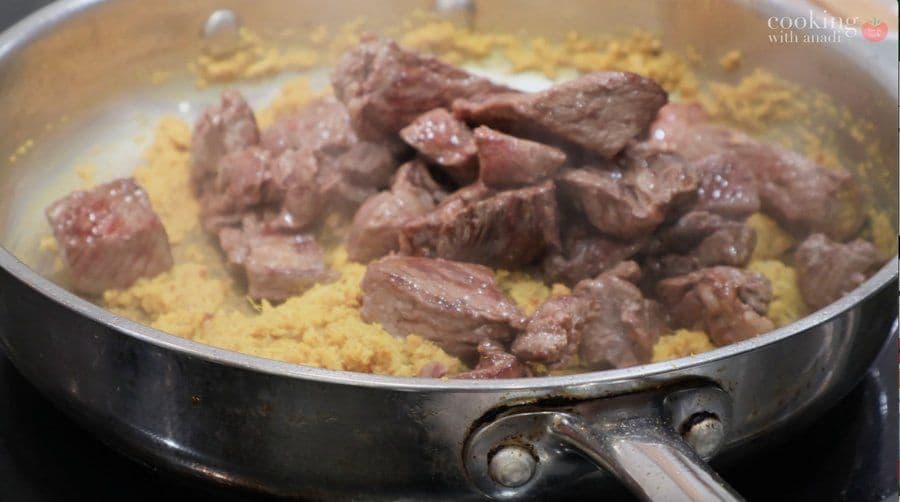
Heat 1 Tbsp oil in a large pan over medium-high heat. Once the pan is hot, keep it high. Sear beef cubes in batches until lightly browned. Flip and sear the other side. Once browned throughout, remove the beef from the pan and set aside in a separate bowl.
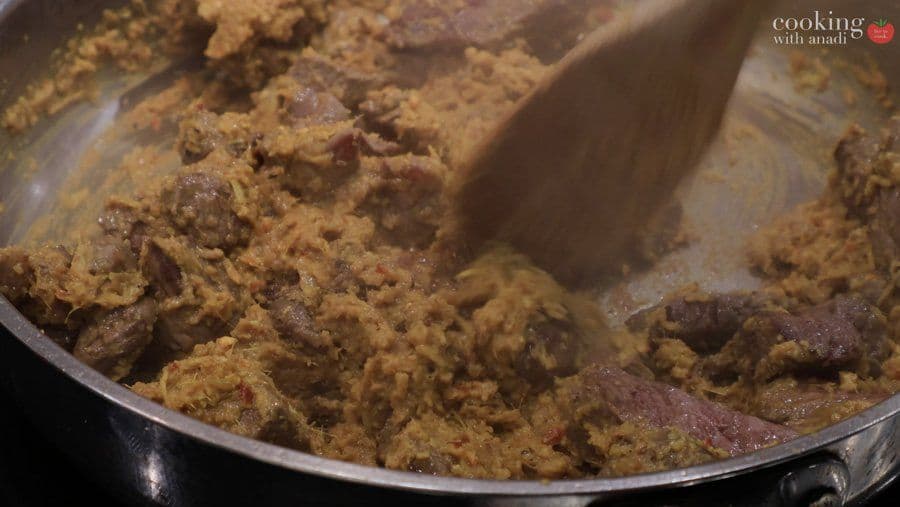
In the same pan, reduce the heat to medium. Add the blended paste and cook 5–7 minutes, stirring, until fragrant and slightly darker. You'll know it's done because the color will darken, and the paste will slide around the pan.

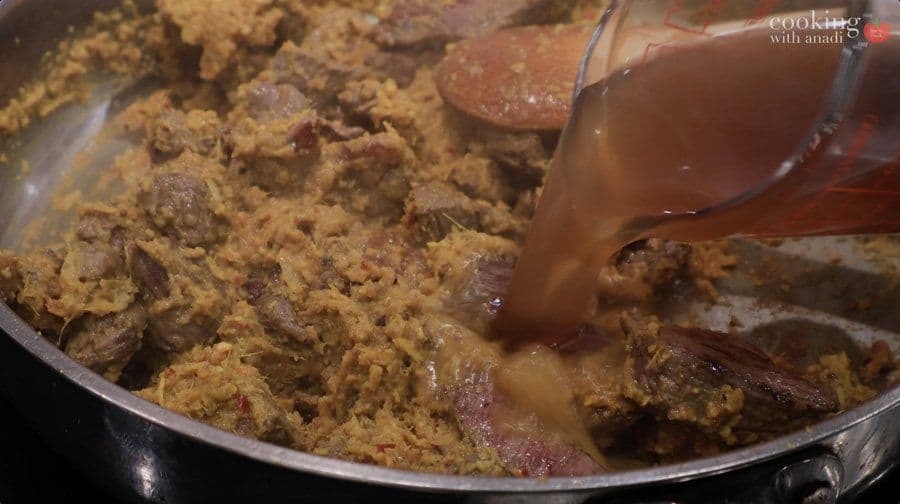
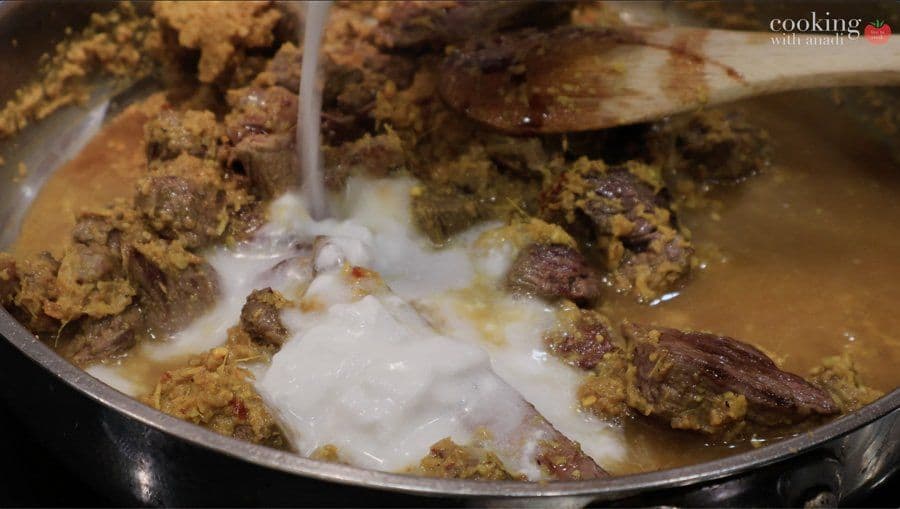
Add the beef back to the pan. Stir in coconut milk, beef broth, bay leaves and lime zest (alternatively, kaffir lime leaves if you have them), cinnamon, and brown sugar. Season with salt to taste. Bring to a gentle simmer once everything has been mixed together.

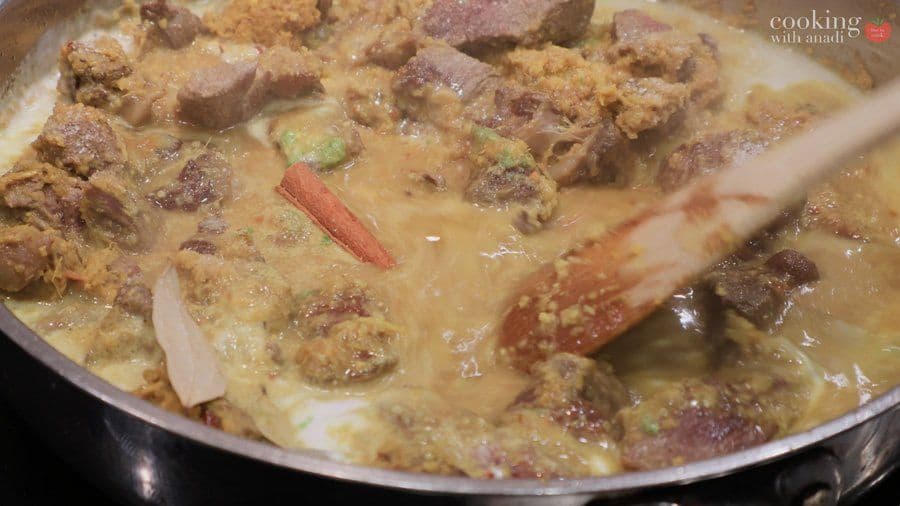
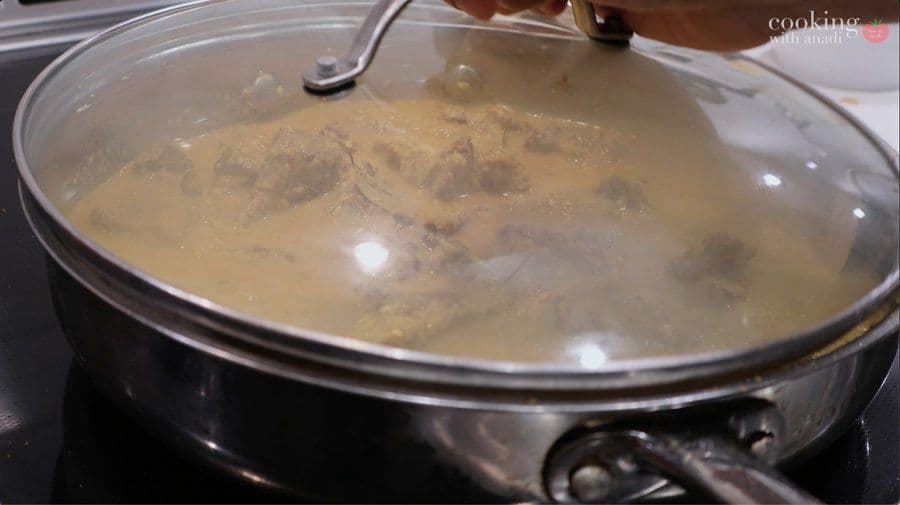
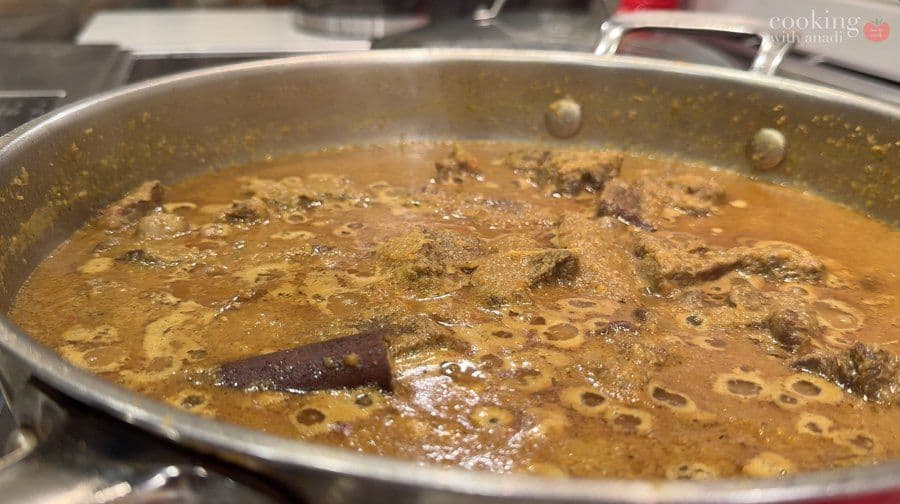
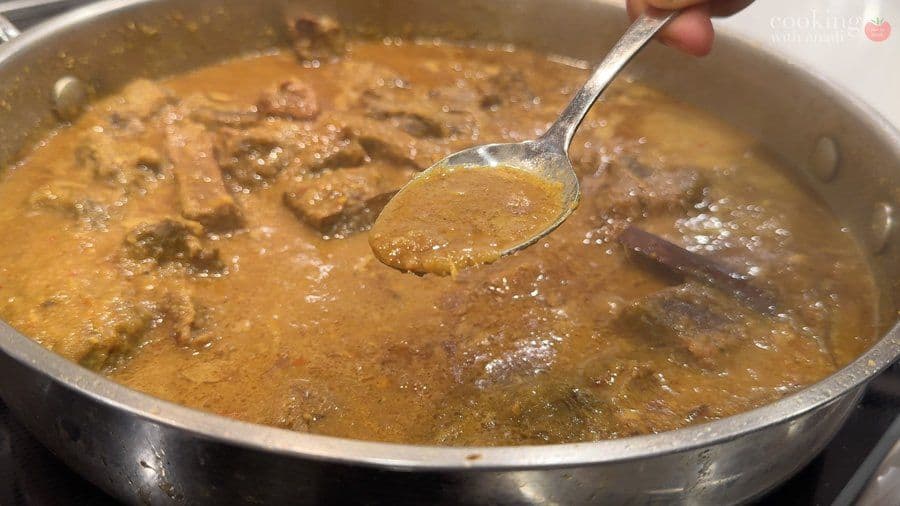
Cover the pan with a lid and simmer for 1½–2 hours, stirring occasionally, until the beef is fork-tender. For more sauce, add in extra broth/stock.
Season with fish sauce or soy sauce, lime juice, and salt. Adjust seasoning to taste.
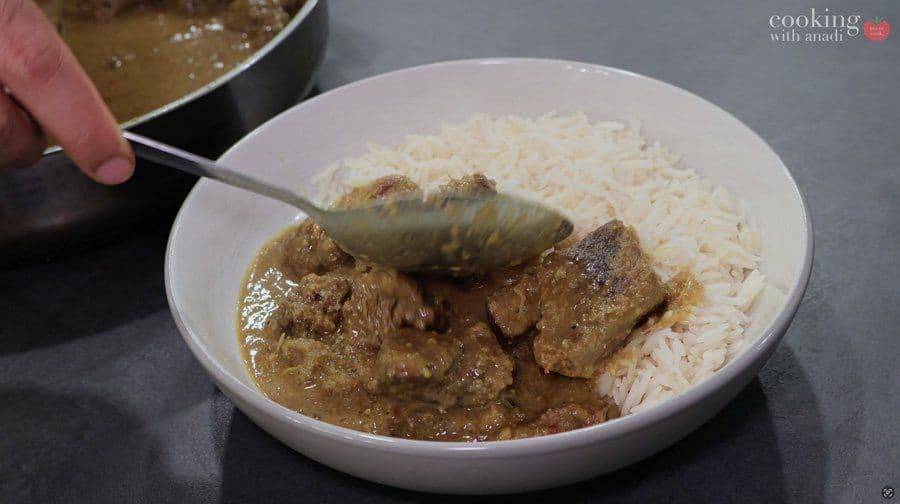
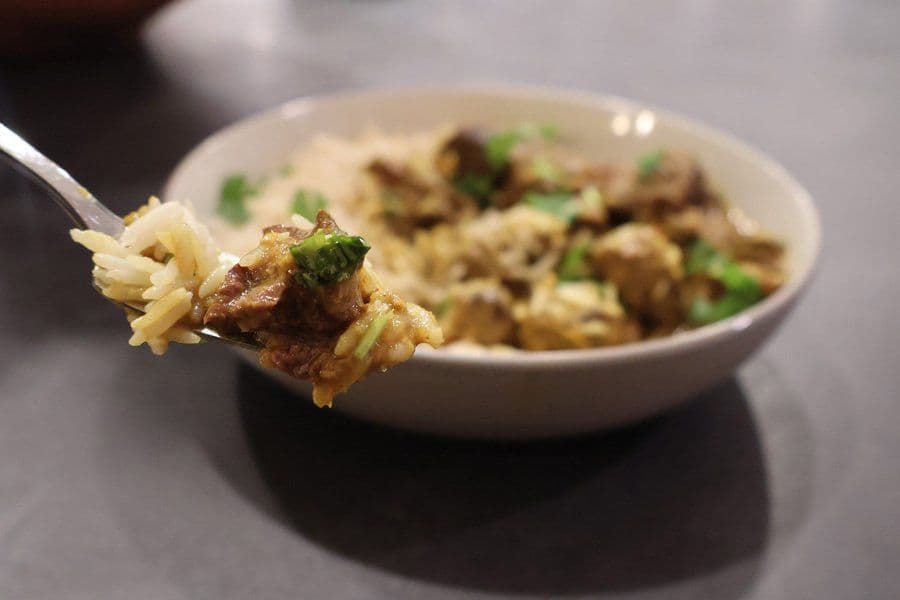
Ladle into bowls with rice. Garnish with freshly chopped cilantro.
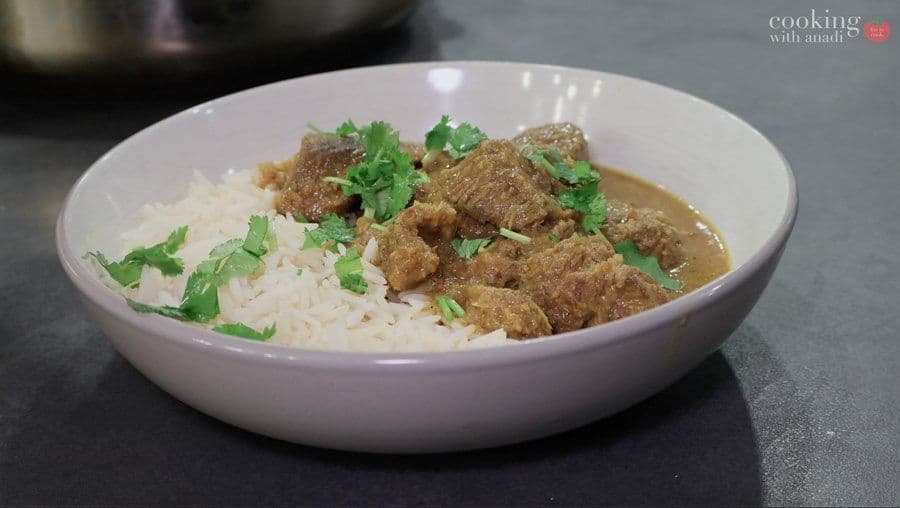
Enjoy!
Tips for the Perfect Rendang Daging Bali
- The spice paste shouldn’t burn because there is enough moisture from searing the beef. However, if you are worried, then you can add a splash of water or stock as you cook the paste out.
- For a richer dish, you can double the coconut milk and reduce the beef broth by the same amount. You could also use full fat coconut milk, if desired.
- You know the dish is done when there is fat floating on the top, which is a result of the fat from the sauce and the beef rendering out.
- If you would like some veggies, you can add them when finishing the dish. Some veggies that would be delicious here include green beans, carrots, or baby potatoes.
- The longer you simmer the curry and slower you cook the beef, the deeper the flavors will become. You can’t rush this dish, but if you have extra time to give, I recommend slow cooking the curry for as long as you can!
- Making a large amount of this dish is definitely recommended! As you store the leftovers in the fridge, the flavors will develop even more with time.
How to Store Balinese Beef Rendang▼
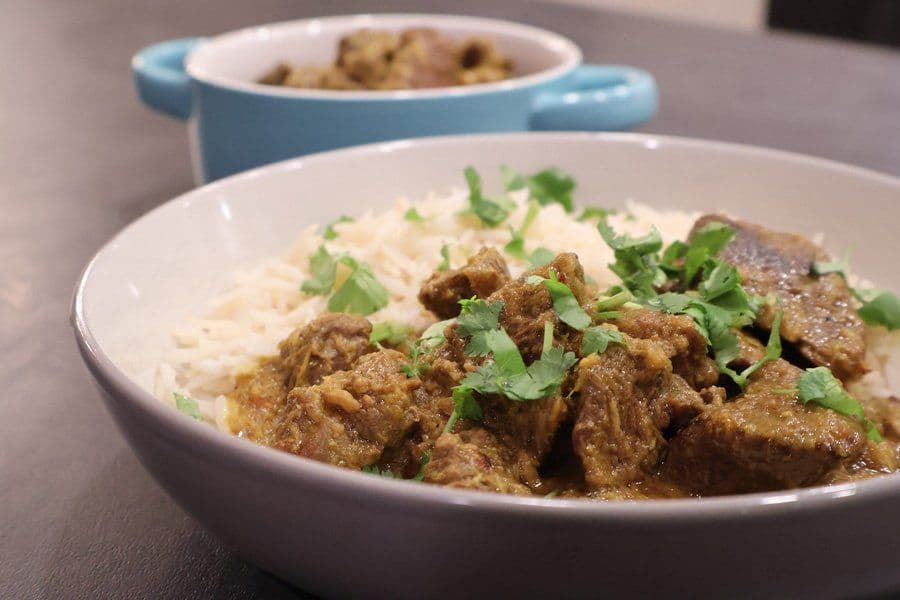
Transfer the curry into airtight containers and store in the fridge. If the curry is still hot,then store it in the fridge uncovered until it has completely cooled down. With the beef and garlic in this dish, it will stay fresh for about 3 to 4 days. If you can’t finish your leftovers in this time, don’t worry! Luckily, rendang keeps well in the freezer.
Freezing Rendang
You can freeze this dish for up to 3 to 4 months before it will get freezer burn. Ensure to thaw in the fridge overnight before enjoying.
Reheating
The quickest way to reheat this dish is in the microwave! Simply transfer the contents into a microwave-safe bowl and heat for about 2 to 3 minutes, stirring at 30 second intervals to ensure it is evenly warmed through.
What to Eat With Beef Rendang?▼
This certainly is a dinner worth royalty! Since there is so much going on in the dish itself, there’s no need to have a complicated side dish! Typically, rice would be served, and I paired mine with Simple Steamed Basmati Rice. If you would like a fusion flair, you can try pairing it with some other rice dishes! Here are some Indian and Mexican rice dishes I think would pair well with this beef curry:
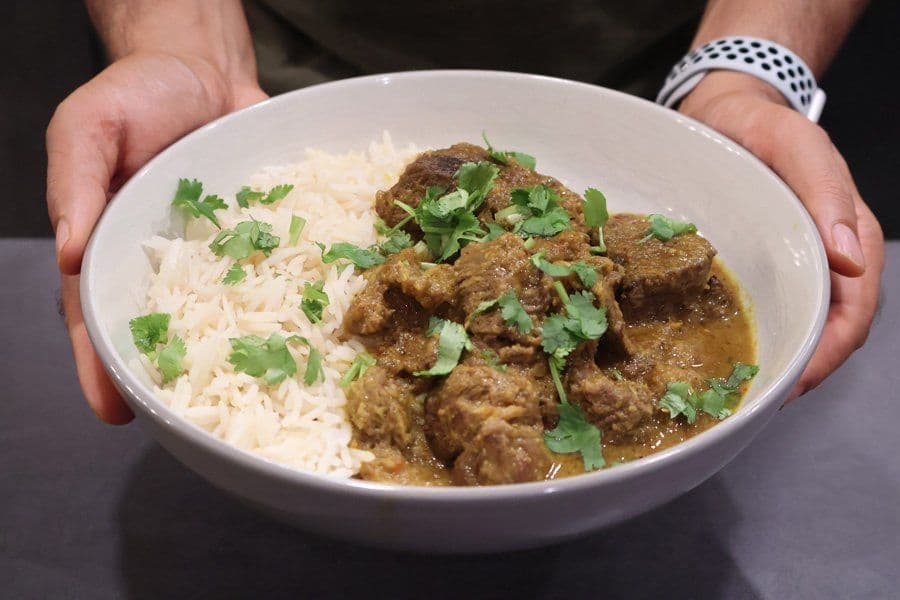
I’ve even enjoyed this dish with my Homemade Tandoori Naan!
More Hearty Beef Dishes
- Molha de Carne - Portuguese Beef Stew
- Beef Bourguignon
- Instant Pot Beef Chili
- Instant Pot Quesabirria Tacos
- Super Delicious Oven Pot Roast Recipe
How This Balinese Rendang Differs from the Malaysian One
Rendang is an Indonesian dish by origin, and it travelled across that part of Asia long ago — in Malaysia it became a celebration food, the thing Malays cook for Hari Raya at the end of Ramadan, the dish you find at food stalls and served alongside nasi minyak or sticky glutinous rice at Eid. That version usually leans on tamarind and gula melaka, and often has turmeric leaves shredded through it.
This is the Balinese one, rendang daging bali, and it is a different animal. There is no tamarind pulp and no tamarind paste here at all — the sourness comes from the juice of half a fresh lime, squeezed in at the very end. There is no gula melaka either; a single tablespoon of brown sugar does that job. And there are no turmeric leaves. It is a shorter, brighter, slightly saucier rendang than the dry Minang style, and it is built on a Balinese-style spice paste rather than a Malaysian rempah.
The Spice Paste, and What Is Not In It
Everything starts with the base paste, and it is worth reading the list closely because several things people expect are absent. There are no dried chilies — two fresh red arbol chilies go in whole. There is no fresh ginger; the warmth comes from a tablespoon of galangal, which is a relative of ginger but sharper and more piney, and the two are genuinely not interchangeable. There is no onion either — seven shallots, roughly chopped, do that work and bring more sweetness than an onion would.
The aromatics are rounded out with 5 cloves of garlic and the white parts of 2 lemongrass stalks. The ground spices are a teaspoon of turmeric, a teaspoon of coriander, half a teaspoon of black peppercorns and half a teaspoon of nutmeg — and that is the entire spice list. No cardamom, no star anise, no cumin. A tablespoon of roasted cashews goes in to thicken and enrich the paste, standing in for the candlenuts a Balinese cook would traditionally use. It all goes into a blender with a tablespoon of vegetable oil, not peanut oil, and enough water to get the blades turning.
Low Heat and Patience: The Two-Hour Simmer
This is a stove-top dish, cooked in a large pan rather than a wok, and it is not one for a slow cooker. Sear the cubed beef chuck in batches over medium-high heat — boneless stewing beef, cut into 1-inch cubes, so there is no bone in the pot to work around. Do it in batches and keep the pan hot; crowding it steams the meat instead of browning it. Set the beef aside, then bring the heat down to medium and fry the blended paste for 5 to 7 minutes, stirring. You will know it is ready when the colour darkens and the paste starts sliding around the pan rather than clinging to it. Frying the paste properly is where most of the flavour is made.
Then the beef goes back in with three-quarters of a can of light coconut milk — light, not coconut cream — a cup and a half of water with the bouillon paste, kaffir lime leaves, a small cinnamon stick and the brown sugar. Bring it to a gentle simmer, never a hard boil, then cover and leave it on low heat for an hour and a half to two hours, stirring occasionally, until the beef gives way to a fork. Prep is 15 minutes but the total time is two and a half hours, and almost all of that is patience rather than work. If you like saucy curries rather than a thick one, add extra stock toward the end.
Serving It, and the Nutrition
Finish with fish sauce, the lime juice and salt to taste, then ladle it over plain steamed rice — basmati is what I use — with freshly chopped cilantro over the top. The recipe makes 6 servings, which comes to 463 calories each, with 24 g of protein, 34 g of fat, 16 g of carbohydrates, 5 g of sugar, 1 g of fiber and just 200 mg of sodium.
That sodium figure is the one worth pausing on: 200 mg a serving is very low for a dish this savoury, and it is because the salt is all under your control rather than arriving in a jar of paste. Season it at the end, taste, and season again — a rendang that has simmered for two hours will absorb a surprising amount before it tastes right.
Let me know what you think of this recipe in the comments! If you’ve tried this recipe, be sure to post it on social media and tag it with #cookingwithanadi and mention me @cooking.with.anadi. Thank you!
Recipe by Anadi Misra
Rich, tender, and packed with bold Balinese spices, this stovetop beef rendang is easier than you think. A classic Bali recipe made simple for any home cook. Try it tonight.
Stovetop
4.7 · 3 ratings
15 min
Prep
2 hr 15 min
Cook
2 hr 30 min
Total
6
servings
medium
Level
Ingredients
Ingredients
Tap any quantity to scale
For the base genie (spice paste)
- shallots(roughly chopped)
- garlic
- fresh red chilies(arbol chilies)Shop →
- (3 g) ground turmericShop →
- (8 g) galangal
- lemongrass(white parts only)
- (8 g) roasted cashewsShop →
- (3 g) ground corianderShop →
- (1 g) black peppercornsShop →
- (1 g) ground nutmegShop →
- (15 ml) vegetable oil(for blending)Shop →
- water(as required)
For the Rendang Daging Bali
- (15 ml) vegetable oilShop →
- (748 g) beef chuck or stewing beef(cut into 1-inch cubes)
- light coconut milkShop →
- (7.5 ml) Better than Bouillon paste(see note 1)Shop →
- (360 ml) water
- kaffir lime leaves(see note 2)Shop →
- small cinnamon stickShop →
- (14 g) brown sugarShop →
- (15 ml) fish sauceShop →
- lime juice(freshly squeezed)Shop →
- salt(to taste)Shop →
- cilantro(freshly chopped, for garnish)
- Basmati Rice(for serving)Shop →
Instructions
- 1
Add all spice paste ingredients to a blender or food processor. Add a tablespoon of oil and blend. You will most likely need additional water or broth to get the blades moving.
Add all spice paste ingredients to a blender or food processor. Add a tablespoon of oil and blend. You will most likely need additional water or broth to get the blades moving.
- 2
Heat 1 tbsp oil in a large pan over medium-high heat. Once the pan is hot, keep it high. Sear beef cubes in batches until lightly browned. Flip and sear the other side. Once browned throughout, remove the beef from the pan and set aside in a separate bowl.
Heat 1 tbsp oil in a large pan over medium-high heat. Once the pan is hot, keep it high. Sear beef cubes in batches until lightly browned. Flip and sear the other side. Once browned throughout, remove the beef from the pan and set aside in a separate bowl.
- 3
In the same pan, reduce the heat to medium. Add the blended paste and cook 5–7 minutes, stirring, until fragrant and slightly darker. You'll know it's done because the color will darken, and the paste will slide around the pan.
In the same pan, reduce the heat to medium. Add the blended paste and cook 5–7 minutes, stirring, until fragrant and slightly darker. You'll know it's done because the color will darken, and the paste will slide around the pan.
- 4
Add the beef back to the pan. Stir in coconut milk, beef broth, bay leaves and lime zest (alternatively, kaffir lime leaves if you have them), cinnamon, and brown sugar. Season with salt to taste. Bring to a gentle simmer once everything has been mixed together.
Add the beef back to the pan. Stir in coconut milk, beef broth, bay leaves and lime zest (alternatively, kaffir lime leaves if you have them), cinnamon, and brown sugar. Season with salt to taste. Bring to a gentle simmer once everything has been mixed together.
- 5
Cover the pan with a lid and simmer for 1½–2 hours, stirring occasionally, until the beef is fork-tender. For more sauce, add in extra broth/stock.
Cover the pan with a lid and simmer for 1½–2 hours, stirring occasionally, until the beef is fork-tender. For more sauce, add in extra broth/stock.
- 6
Season with fish sauce or soy sauce, lime juice, and salt. Adjust seasoning to taste.
Season with fish sauce or soy sauce, lime juice, and salt. Adjust seasoning to taste.
- 7
Ladle into bowls with rice. Garnish with freshly chopped cilantro. Enjoy!
Ladle into bowls with rice. Garnish with freshly chopped cilantro. Enjoy!
Notes
- •You may substitute the bouillon paste and water with 1 Cup beef broth
- •You may substitute the kaffir lime leaves with 1 bay leaf and zest of ½ a lime
Did you make this recipe? Tag @cooking.with.anadi on Instagram and hashtag it #cookingwithanadi

Tested & written in Anadi’s kitchen
Recipe history
- April 16, 2026 — Reworked and refreshed for the 2026 relaunch — new photography, restructured and standardized ingredients & instructions.
You might also like
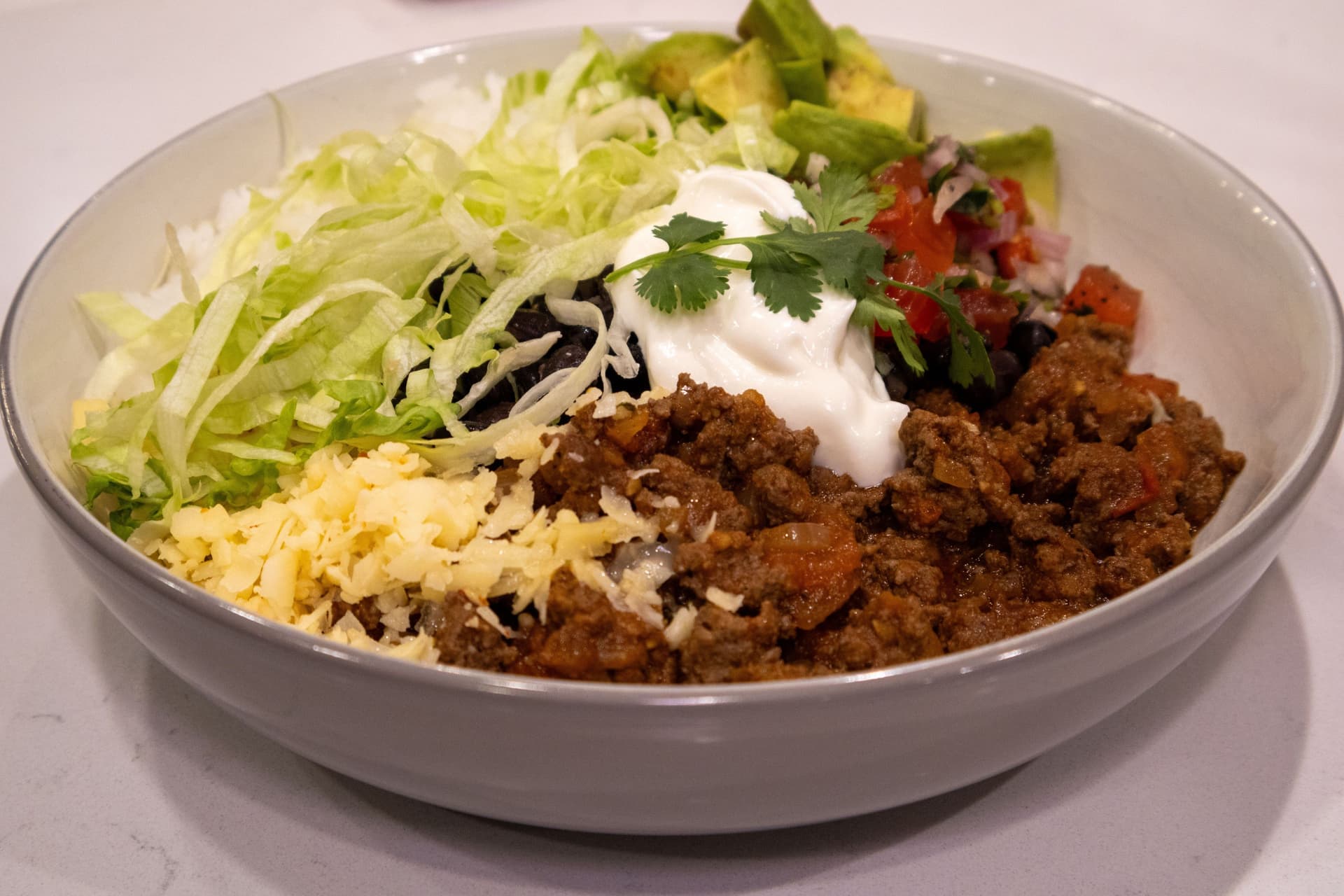
Flavorful Beef Burrito Bowl Recipe for Easy Meal Prep
Make meal prep easy with this hearty Beef Burrito Bowl! Packed with bold, flavorful ingredients, it comes together fast for a satisfying lunch or dinner the whole family will love.
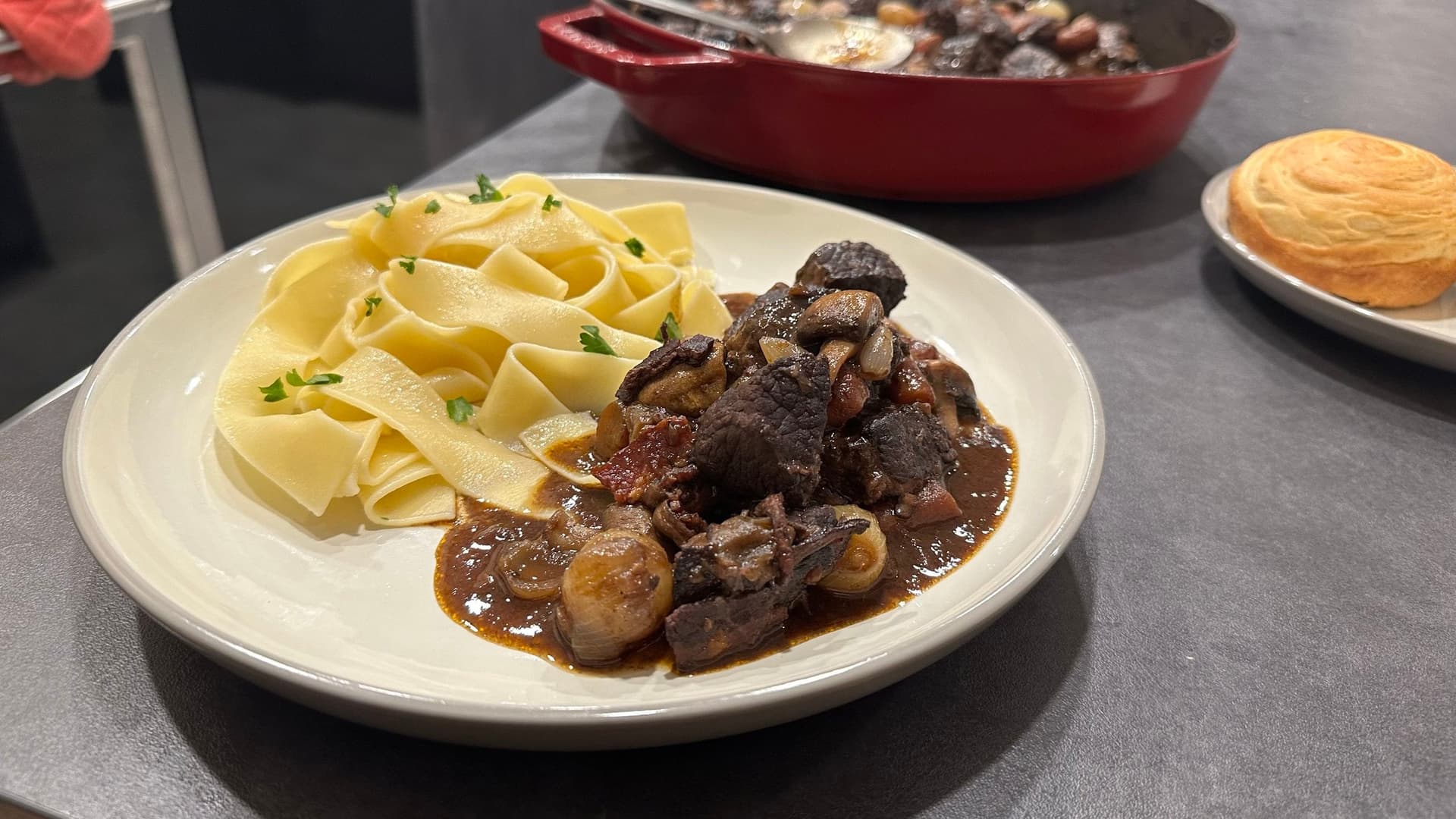
Indulgent Hearty Beef Bourguignon Recipe
Rich, hearty, and deeply flavorful, this beef bourguignon recipe walks you through every step for a classic French comfort dish worth savoring. Perfect for an impressive homemade dinner.
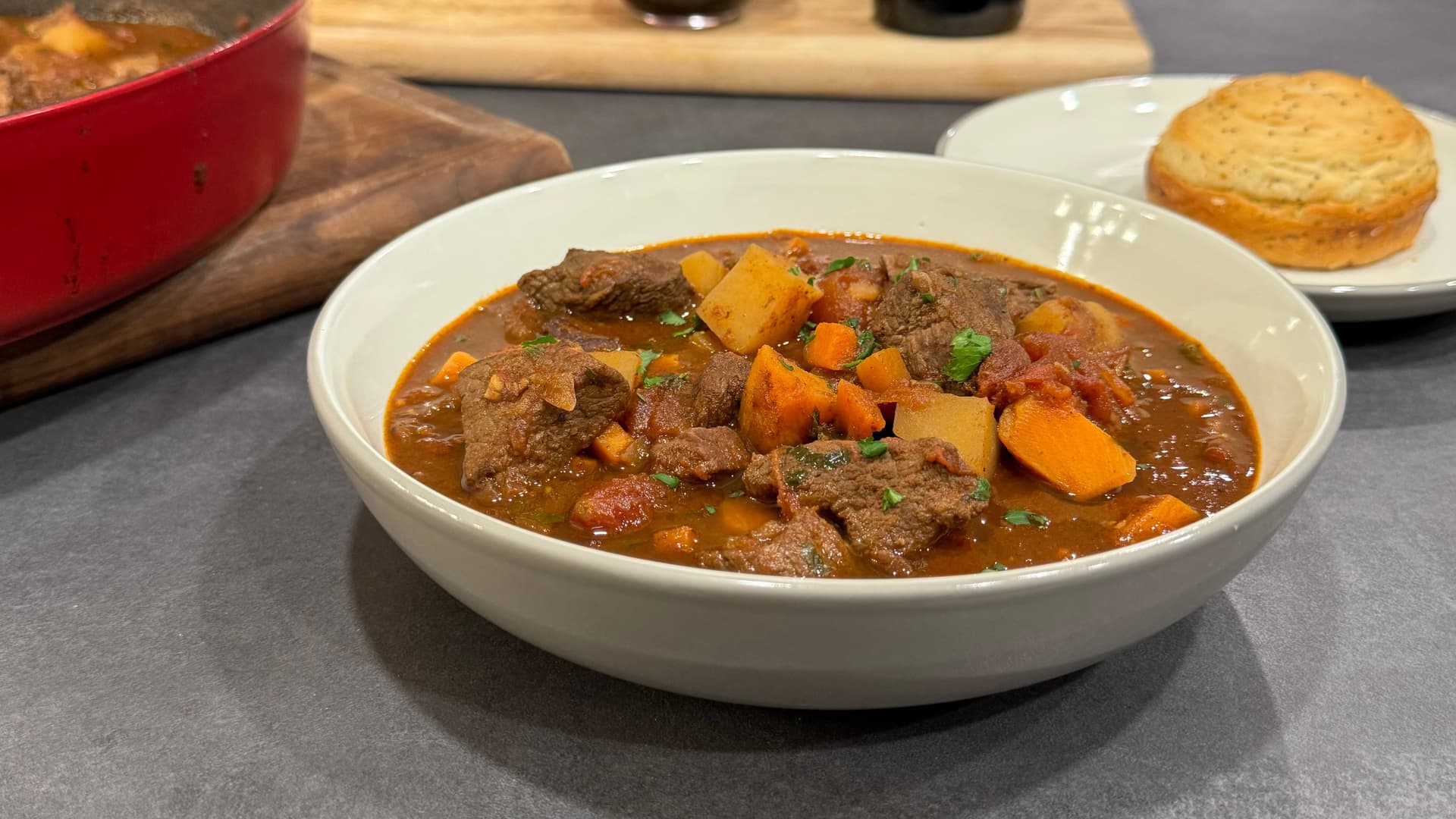
Hearty Molha de Carne Recipe: Portuguese Beef Stew
Discover Molha de Carne, a rich and hearty Portuguese beef stew slow-cooked with tender potatoes and bold spices. A traditional comfort dish perfect for lunch or dinner.
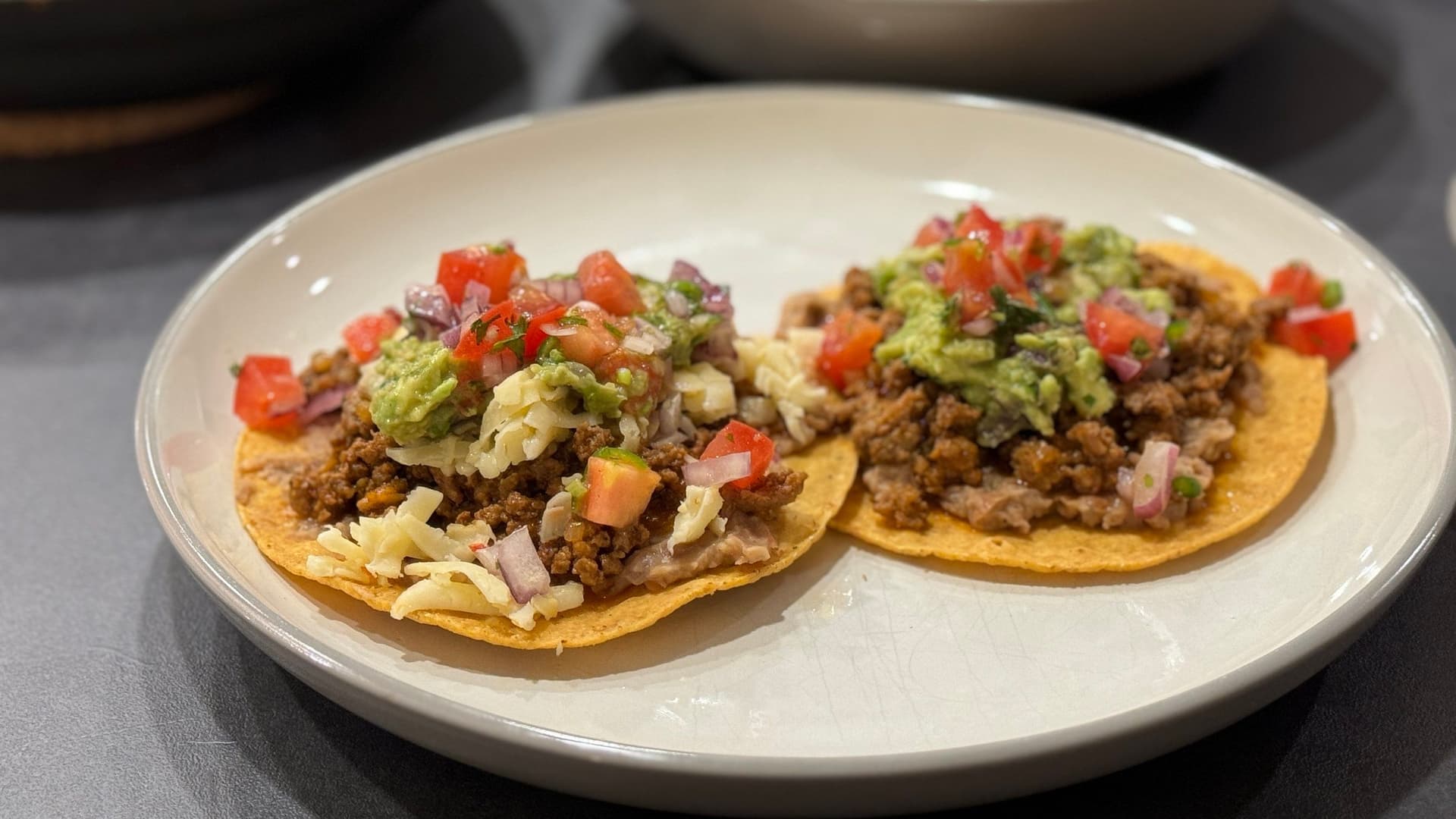
Try These Crowd-Pleasing Loaded Beef Tostadas
Crispy, loaded beef tostadas the whole crowd will love. Quick and easy to make with seasoned ground beef, fresh toppings, and bold Mexican flavors. Your new go-to weeknight dinner is here.
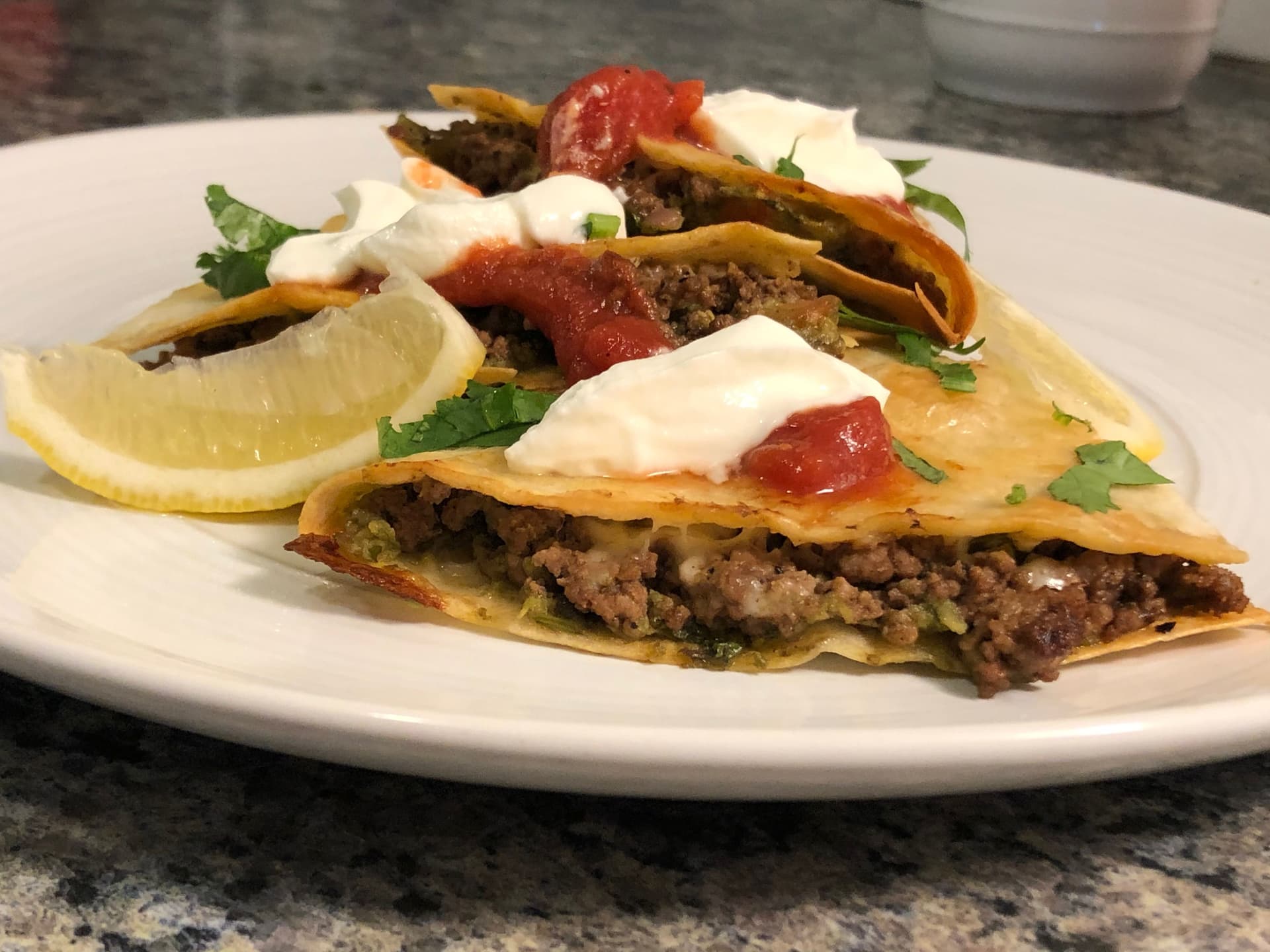
Delicious Baked Beef Quesadillas with Fresh Guacamole
Crispy baked beef quesadillas loaded with seasoned ground beef, melty cheese, and fresh homemade guacamole. Skip the stovetop and let your oven do the work for perfectly golden results every time.

Perkedel Daging Kentang - Indonesian Potato Fritters
Crispy on the outside, tender inside — Perkedel Daging Kentang are savory Indonesian potato fritters packed with seasoned meat. A beloved comfort food that is easy to make at home.


Comments
No comments yet — be the first to share your thoughts!
Leave a review
Be the first to share how it went — your note helps other cooks (and earns the recipe its stars).