


This post may contain affiliate links. Read our disclosure policy
Watch the recipe

Cooking With Anadi
12K subscribers · peppers, tomatoes and onions, a French Basque summer sauce
Introduction to This Basque Piperade Recipe and Its Cultural Significance
Piperade (pronounced pee·puh·ruhd) is a French-Spanish sauce that originated from the Basque region in the Pyrenees mountain range, located in southwestern France and northern Spain. Piperade (known as piperrada in Basque) is made of bell peppers, tomatoes, onions, and herbs. The dish’s name originates from the Latin word “piper,” translating to black pepper, and it can be traced back to as early as the 1800s. The summertime brought plentiful quantities of fresh plum tomatoes along with green peppers and red peppers, making this time of year an excellent occasion to make a wholesome piperade sauce! Furthermore, this dish is coined as the Basque sauce because it has the color scheme of the ingredients used in the sauce. Check out more info about the history of the piperade sauce here.
Typically, a special ground spice called piment d’Espelette (Espelette pepper), which comes from the Espelette pepper in the Pyrenees region, is used to flavor this dish. However, this is a rare and special spice, so we will have to substitute this in our recipe. While I’m sure adding this pepper really brings a special touch, this recipe will make it adaptable for everyone across the world to enjoy this terrific sauce!
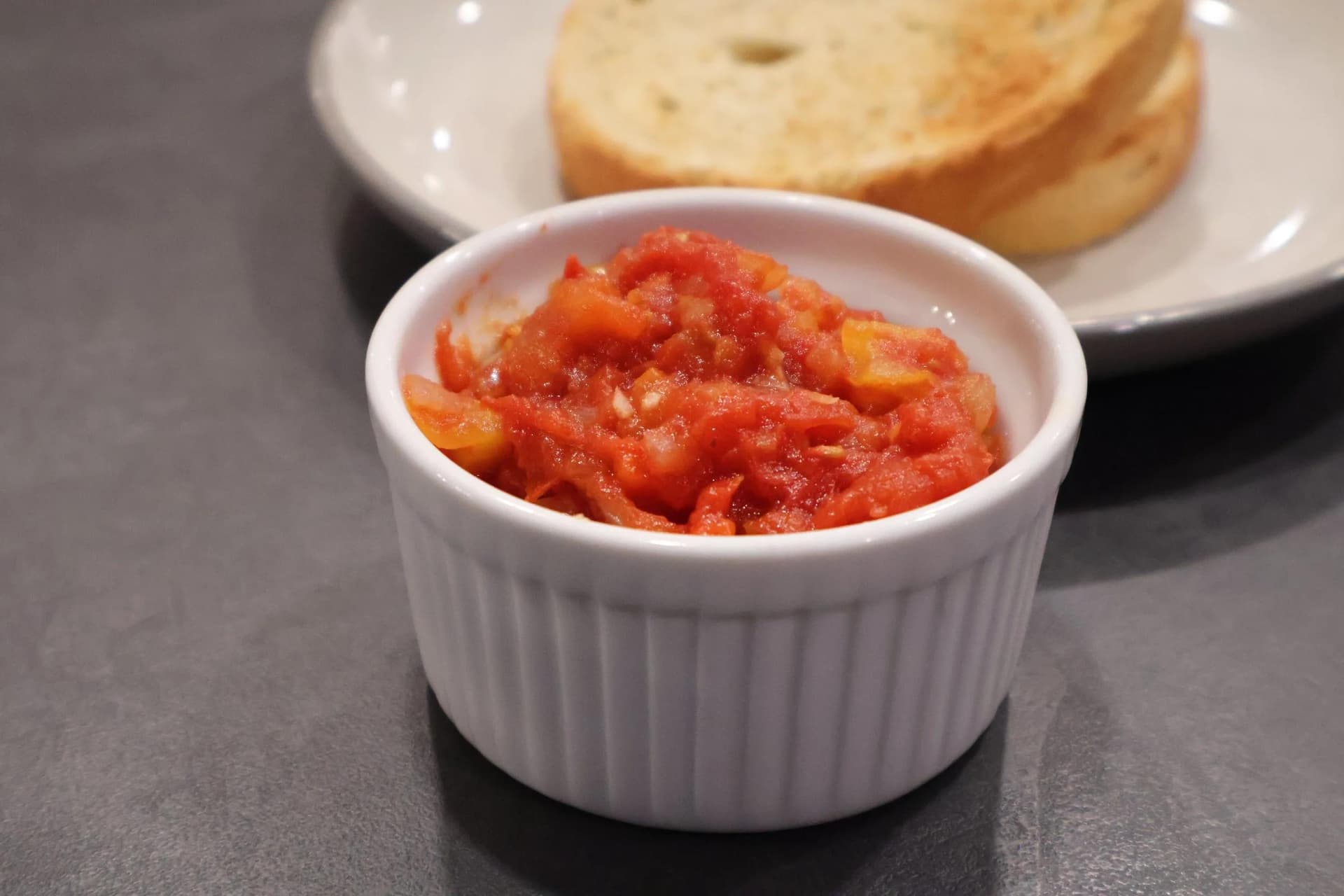
I was introduced to Piperade sauce when I made my Conflit Byaldi, also informally known as the “modern Ratatouille” as a result of the Disney Pixar movie! When I tasted this sauce, I was totally blown away, and I knew I had to make it more! As I mention in my BRAND NEW guide, the continuation of the original Make Cooking Fun!! - the Chef’s Mindset, sometimes you just need to look in the fridge and see what’s there. That’s how the piperade sauce originated, and it’s likely that you already have everything to try this new and special sauce! Be sure to sign up to my email newsletter to get motivated to take your cooking journey to new heights, plus all of my latest recipes will be sent straight to your inbox!
I encourage you to watch the video to follow along with all the steps that go into making this warm and flavorful sauce that you won’t be able to stop having! If you’re not already, I would really appreciate it if you could please subscribe to my channel, and hit the bell button so you’re notified when all of my videos go live along with the written recipes! Let’s get cooking!
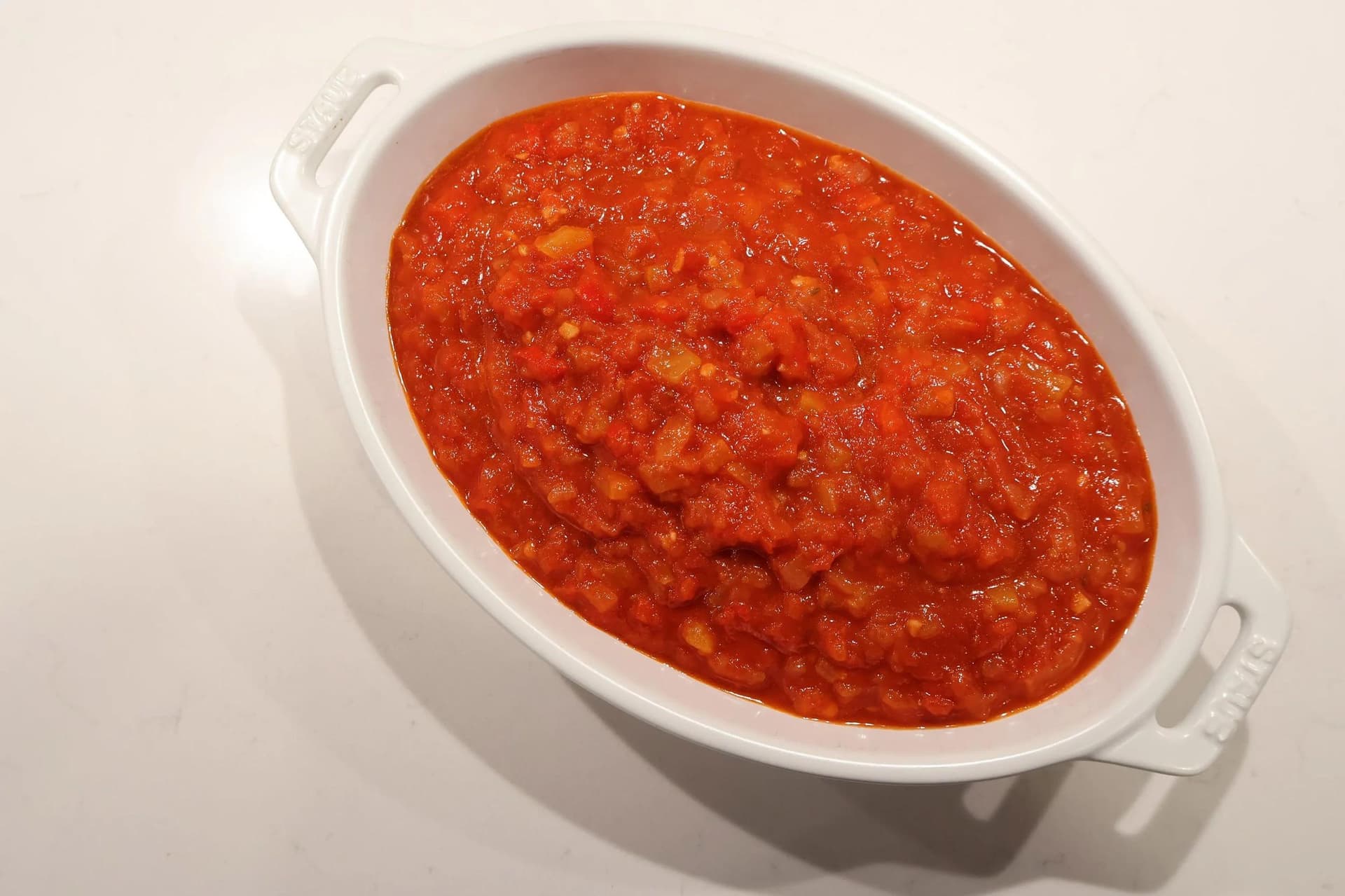
Nutrition Info for Piperade
This piperade recipe is:
- Gluten-free
- Vegetarian
- Vegan
- High in fiber
- Egg-Free
Equipment Needed to Make This Basque Piperade Recipe
Key Ingredients Needed for This Authentic Basque Piperade Recipe
You don’t need too many ingredients to make this classic wholesome sauce, and perhaps you already have everything on hand! Be sure to scroll to the bottom of this post for the FULL PRINTABLE RECIPE CARD or press the “Jump to Recipe” button to see all ingredients and their quantities and to save the recipe for later. You can also use the recipe card to scale the recipe based on how large of a portion you want to make. I suggest you make a big batch since you’ll want to eat lots of this sauce!
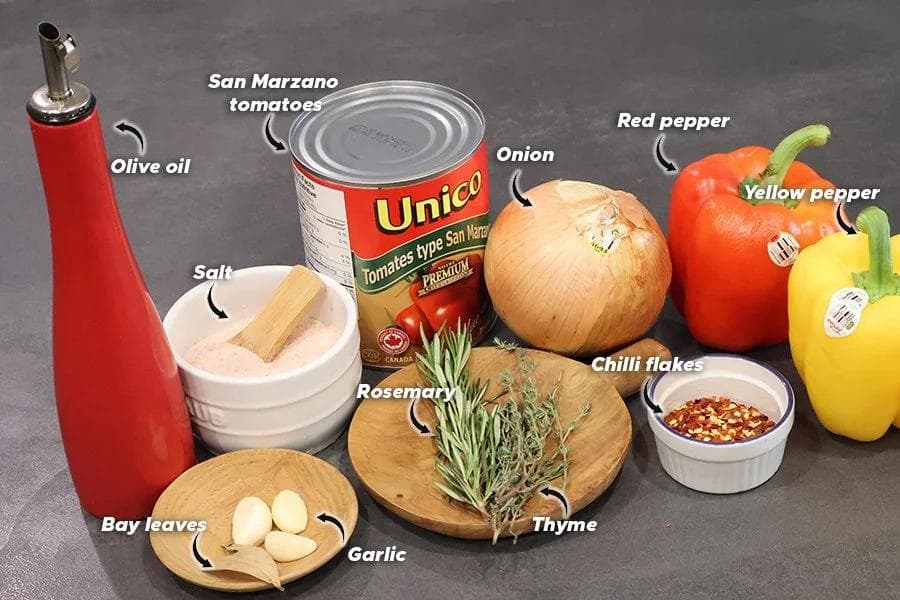
- Olive oil:I always suggest you get the best quality extra virgin olive oil you can find.
- Yellow onion: Finely dice your medium onion.
- Garlic clove: Minced garlic cloves.
- Sweet peppers: One yellow pepper and one red pepper, finely diced. Green bell peppers are also used to make the colors of the Basque flag.
- Red pepper flakes: Add according to taste.
- San Marzano tomatoes: If you can, use canned.
- Herbs: Fresh thyme, fresh rosemary, and a bay leaf.
- Salt: Always season to taste.
How to Make Basque Piperade Sauce
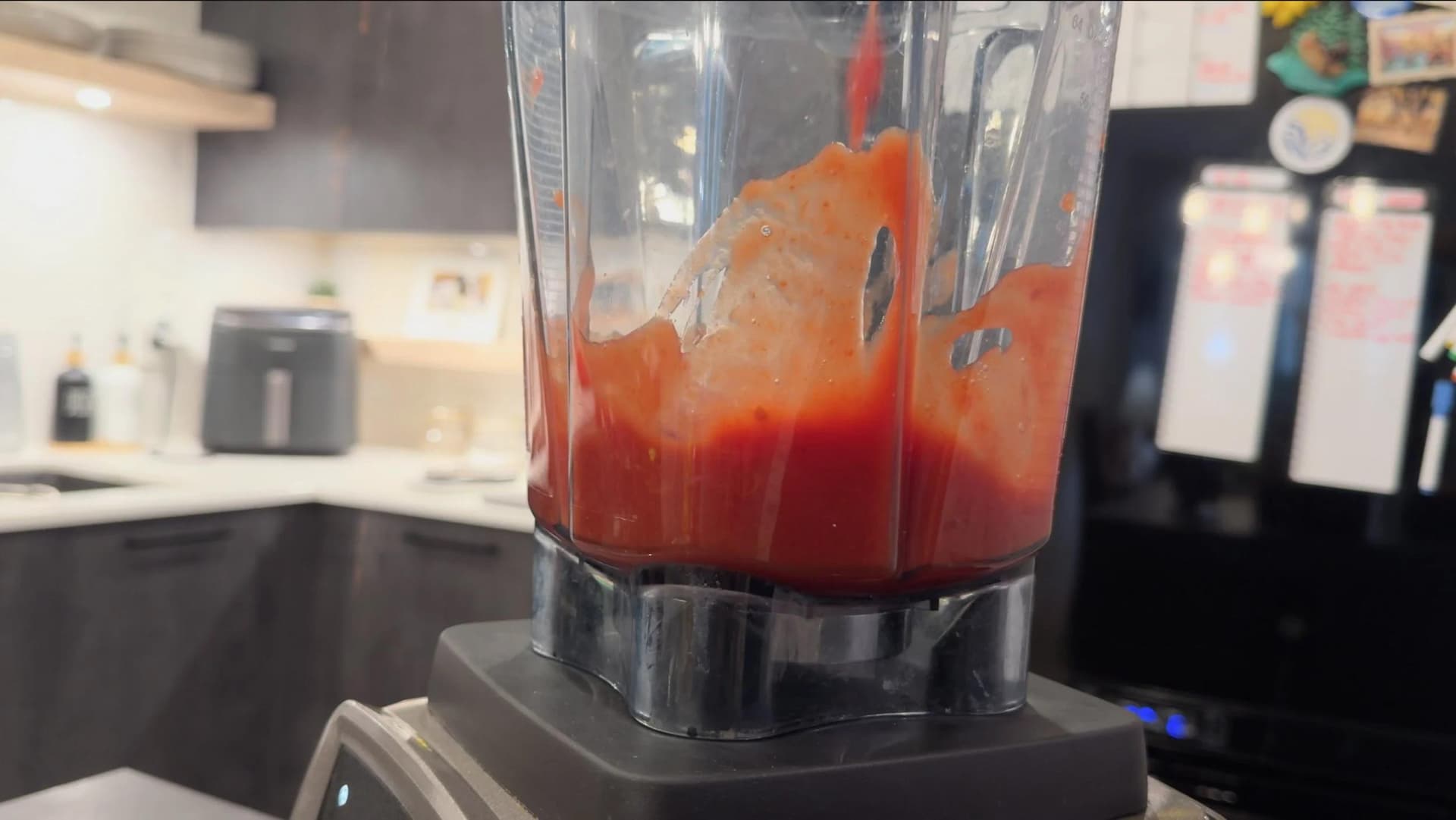
Pulse the San Marzano tomatoes in a food processor for a few seconds until broken down but still chunky. Set aside.
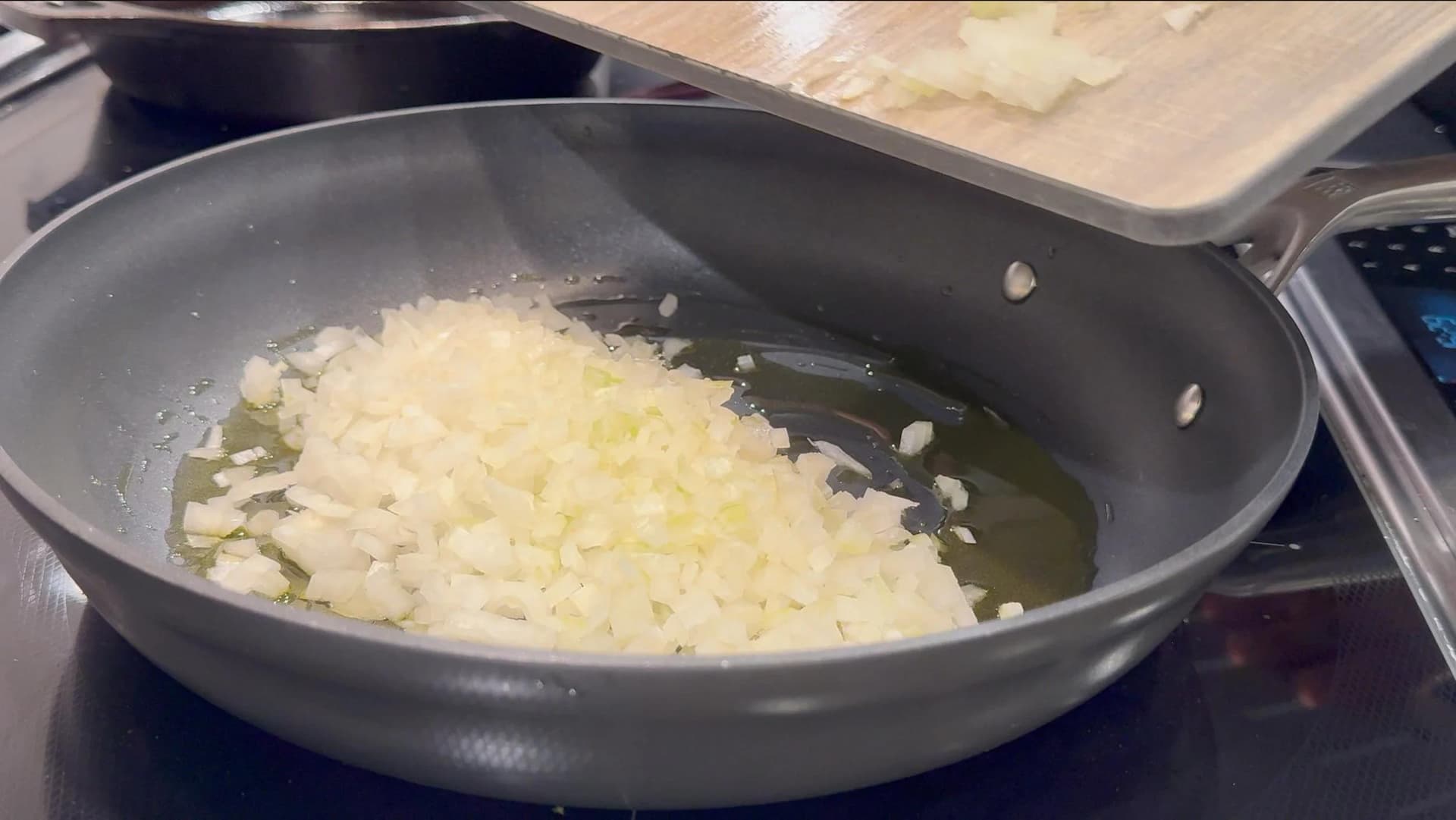
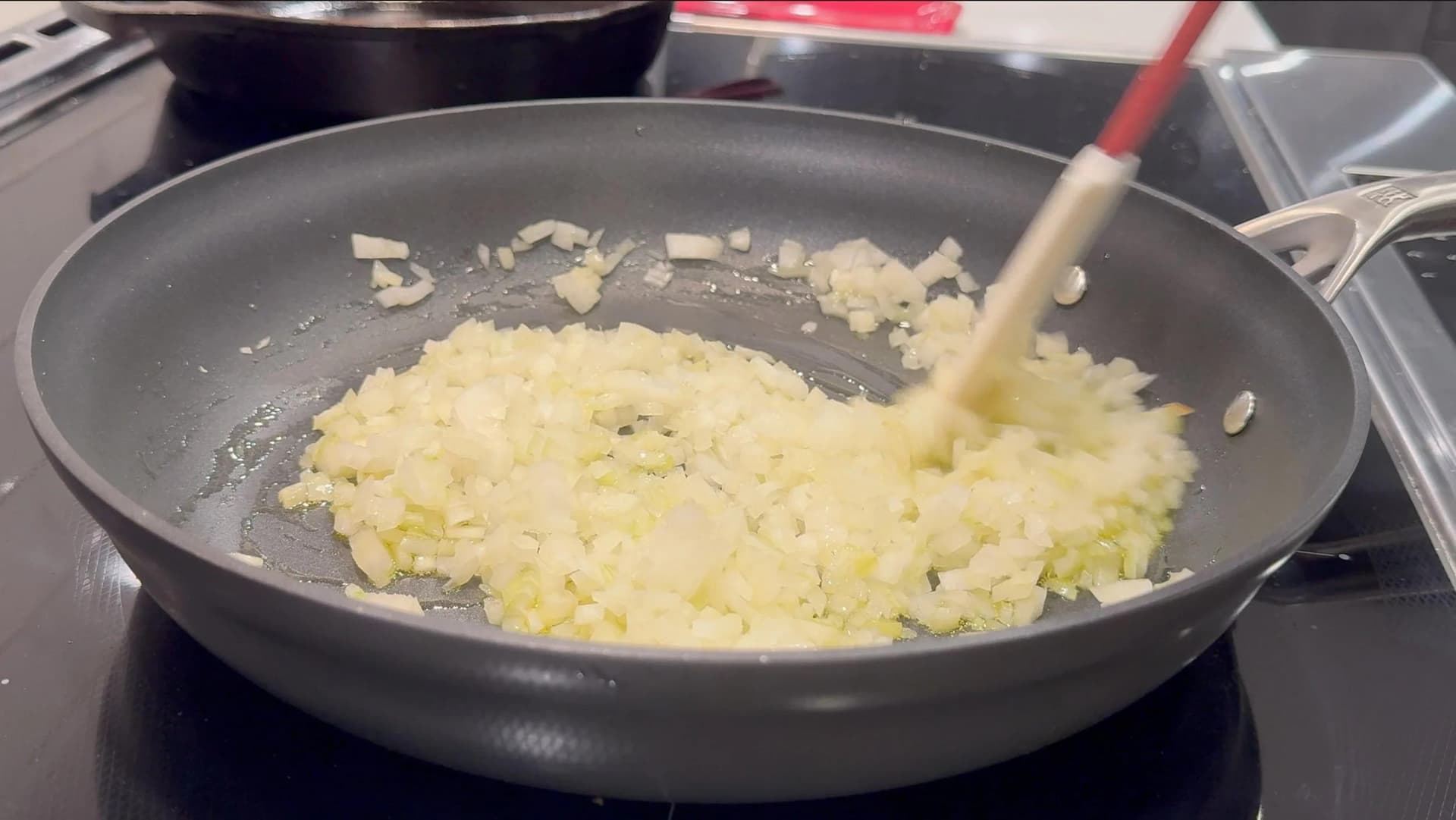
Heat 2 tablespoons olive oil in a wide pan over medium-low heat. Add the onion and cook for 8 minutes until soft and translucent. Don't brown the veggies.


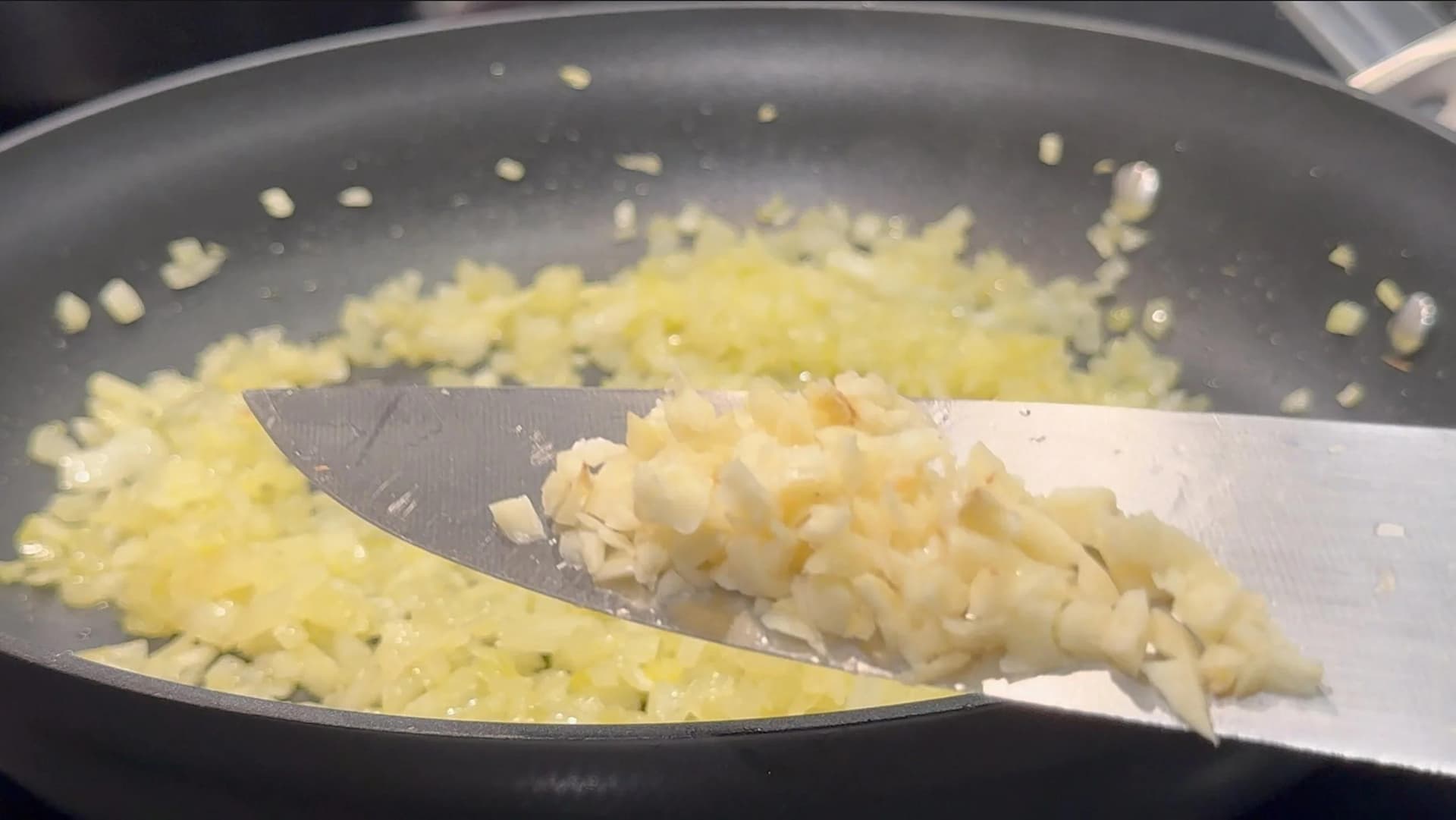
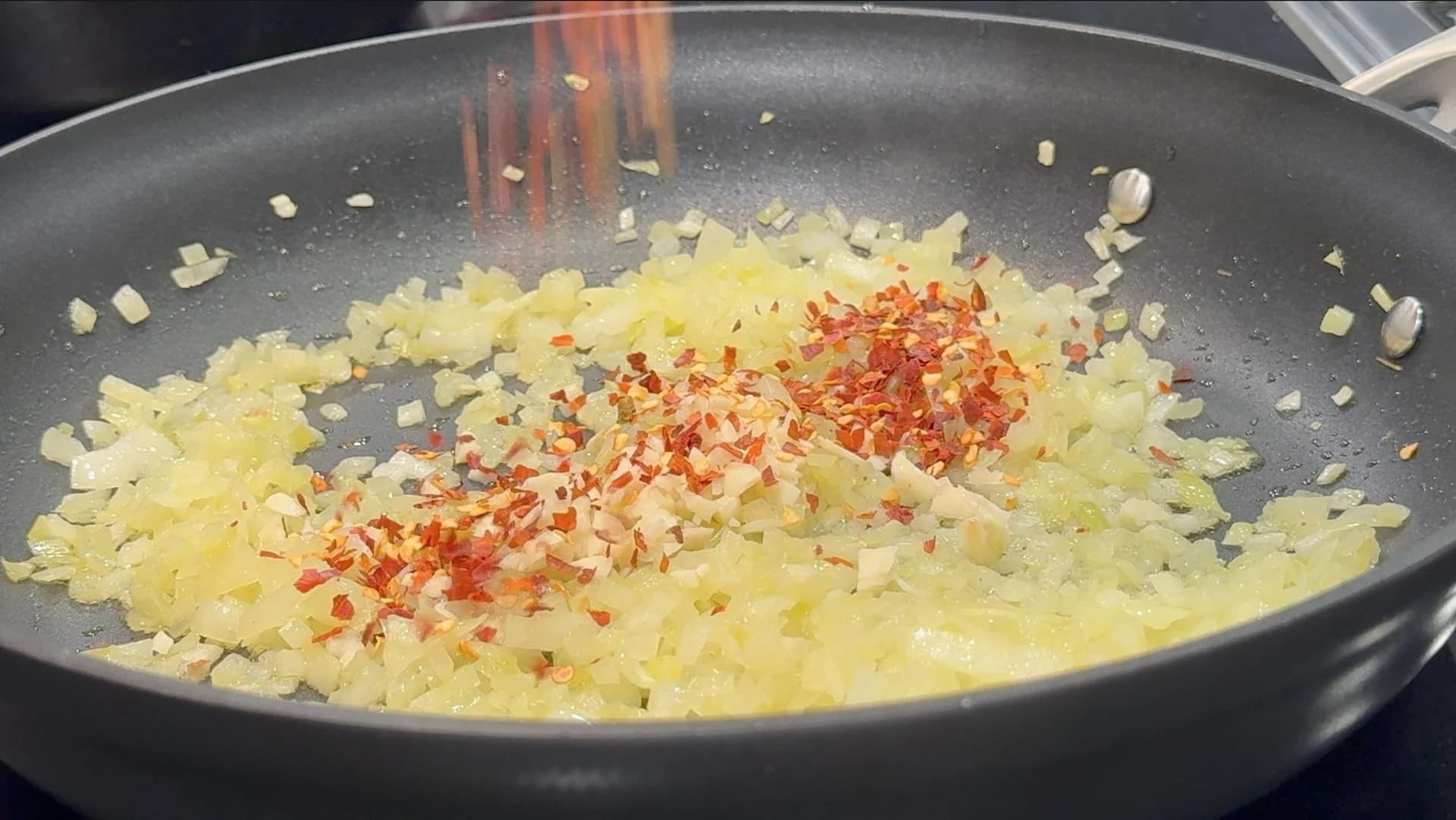
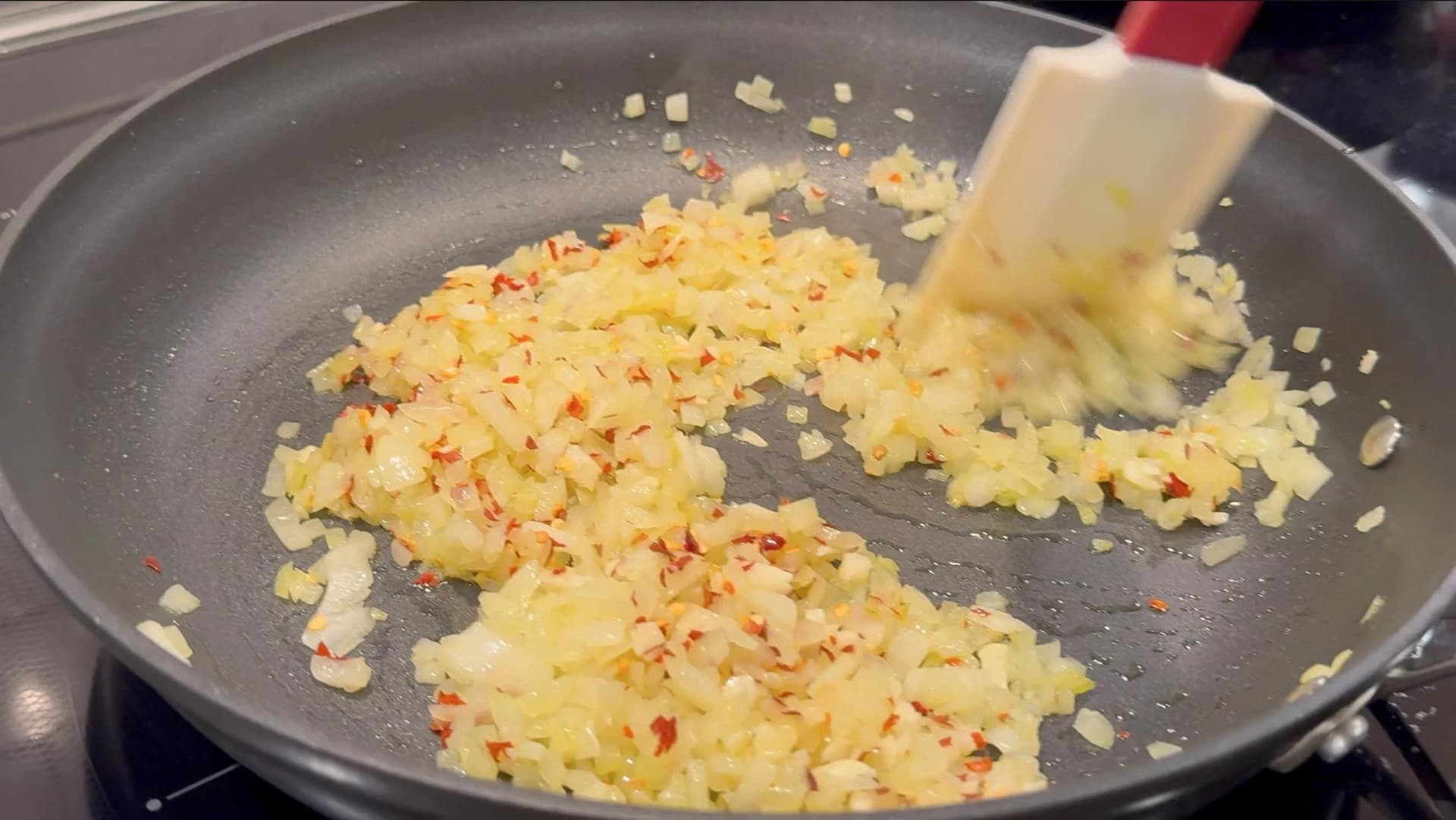
Add the garlic and chili flakes. Sauté for 30 seconds until fragrant.

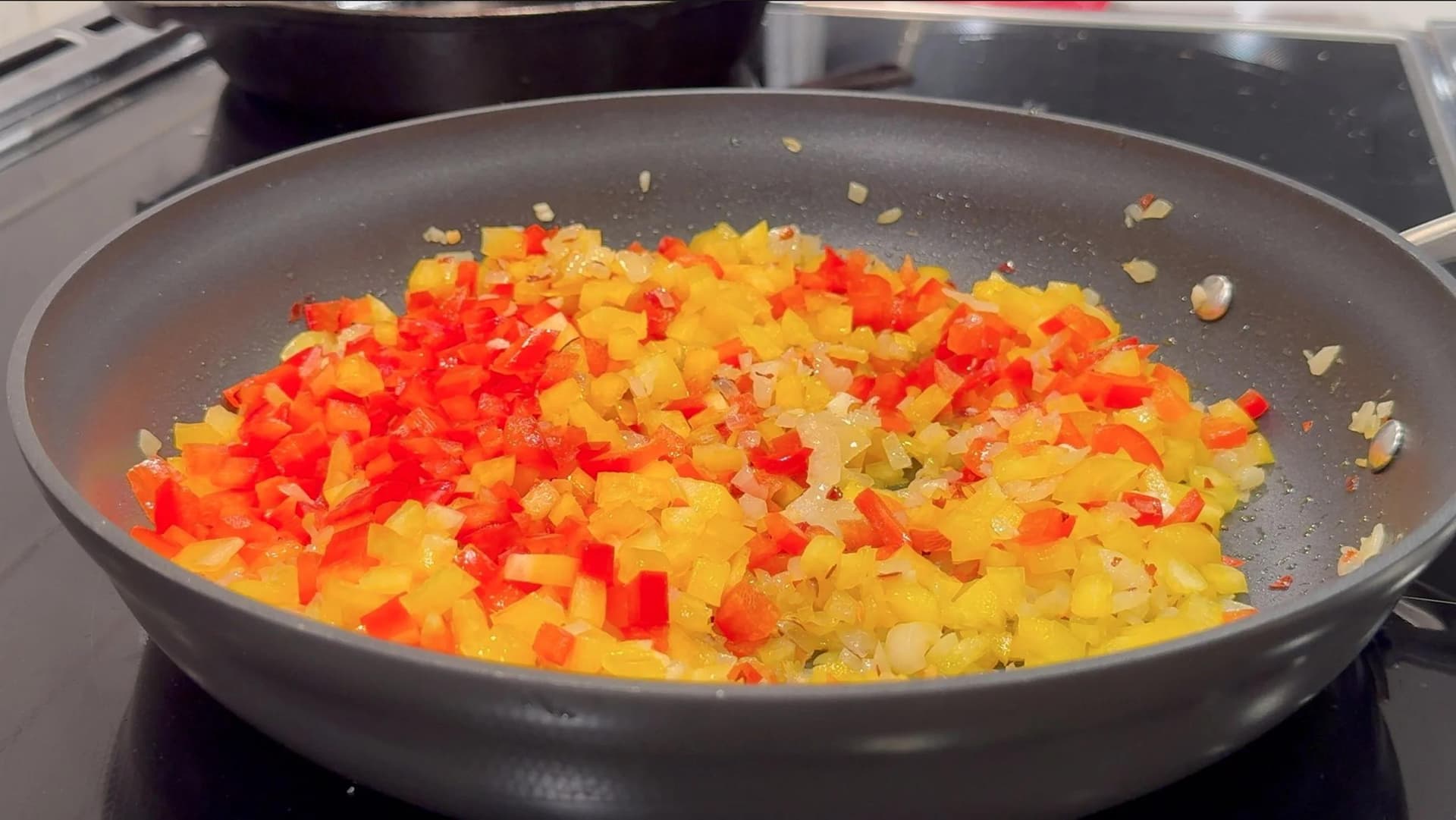
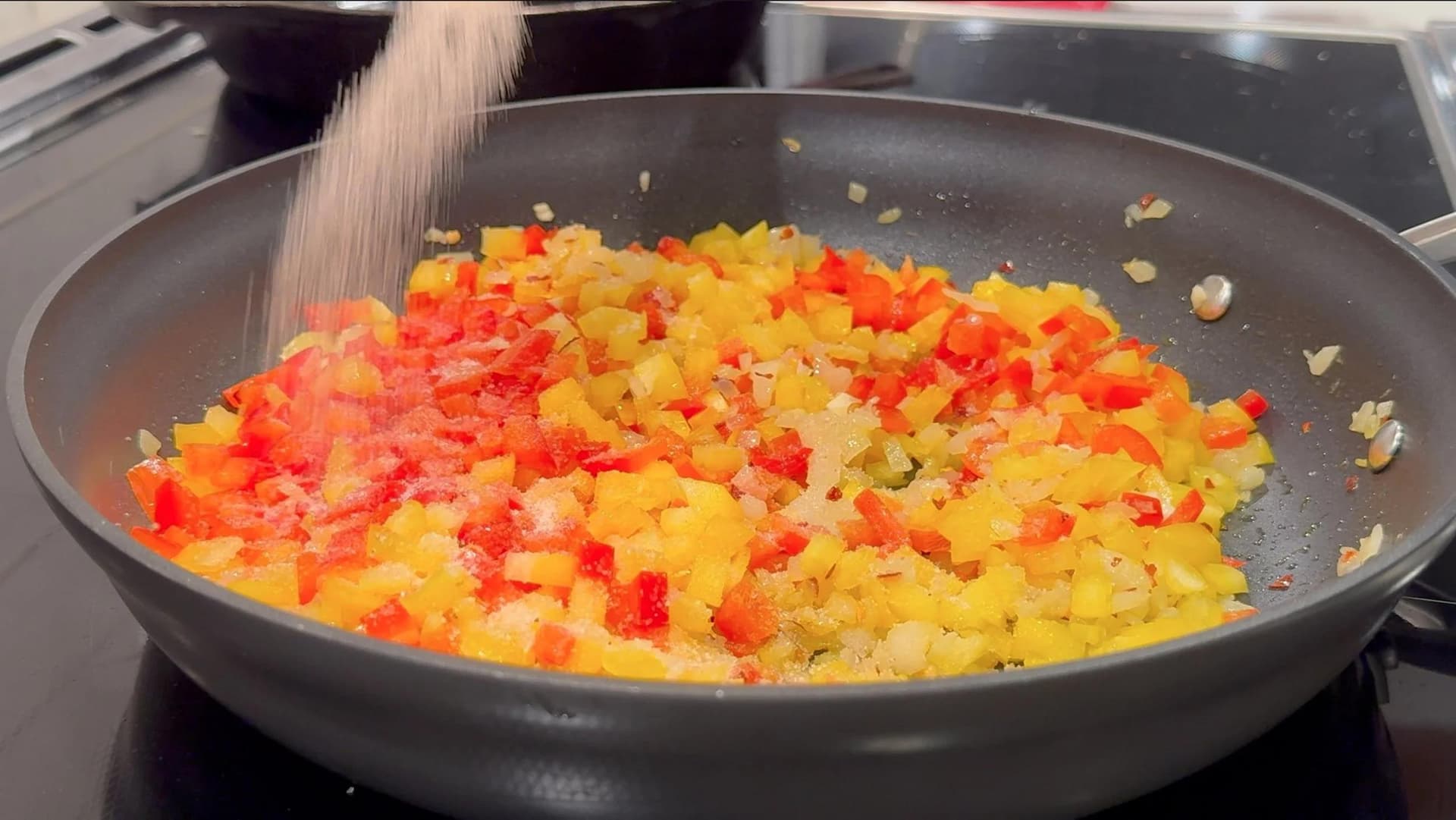
Add the red and yellow bell peppers, season with salt. Cook for 8 minutes until softened.


Pour in the pulsed tomatoes. Add the thyme, rosemary and bay leaf. Bring to a simmer, season with salt.
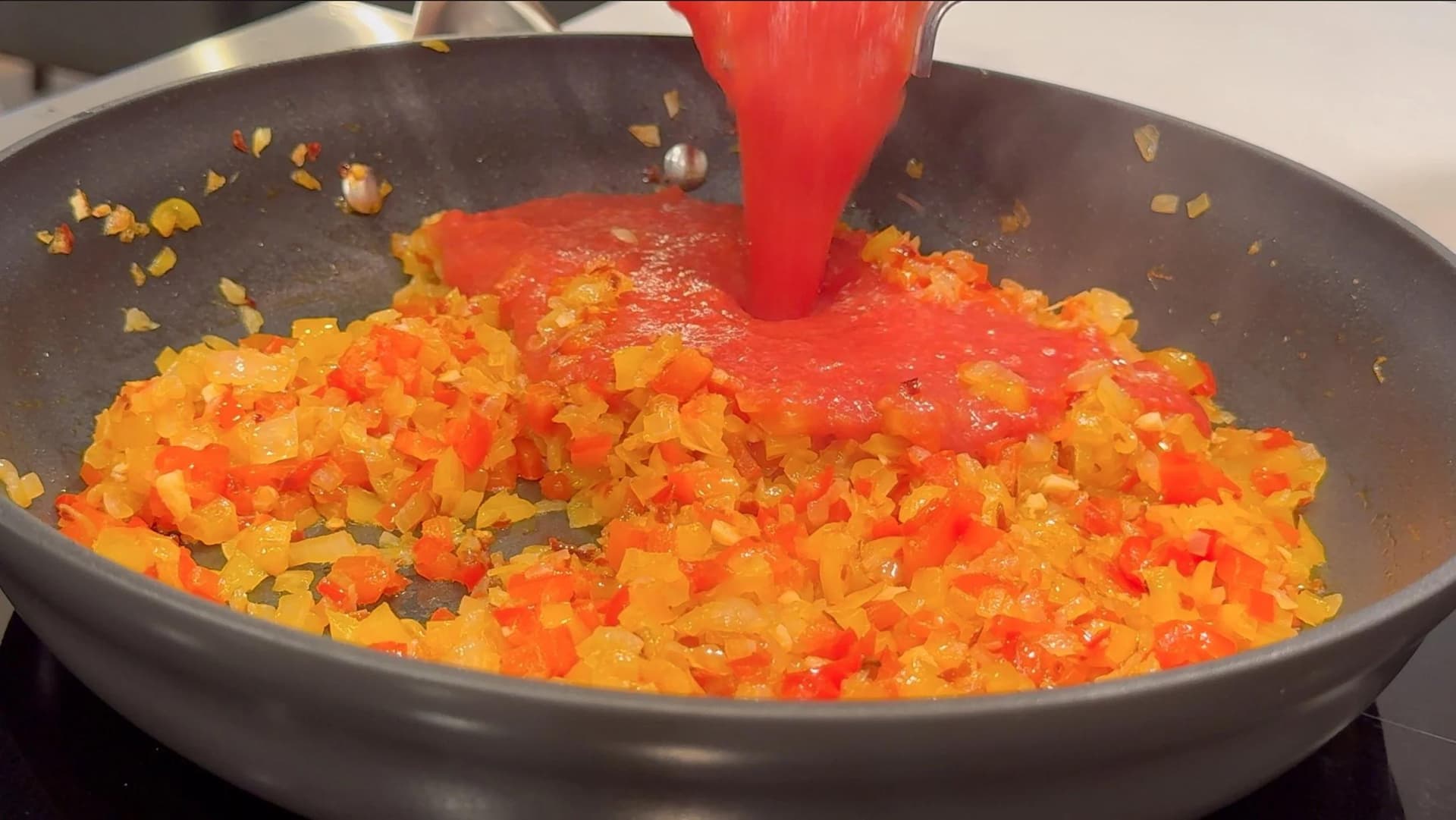
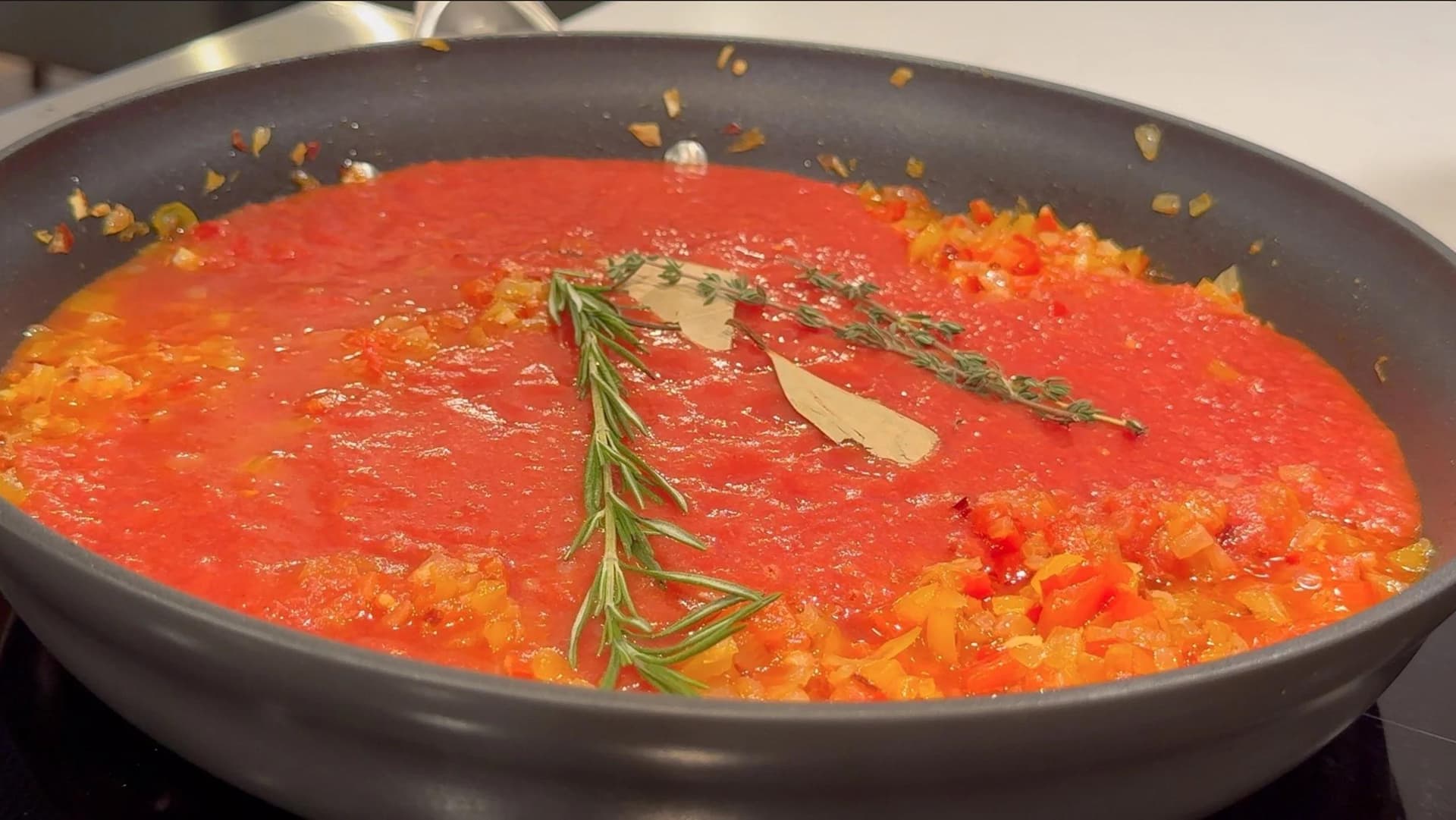
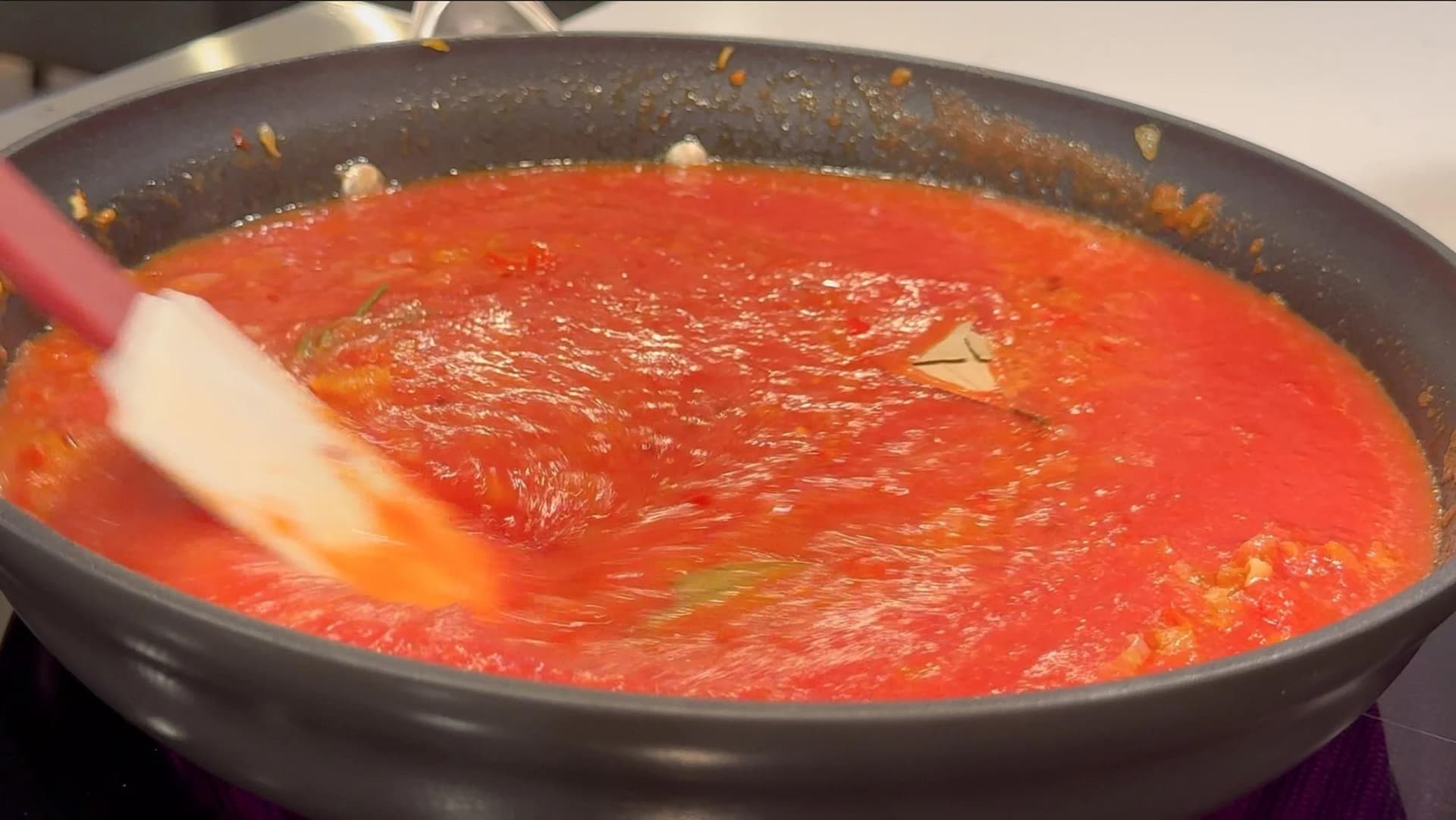
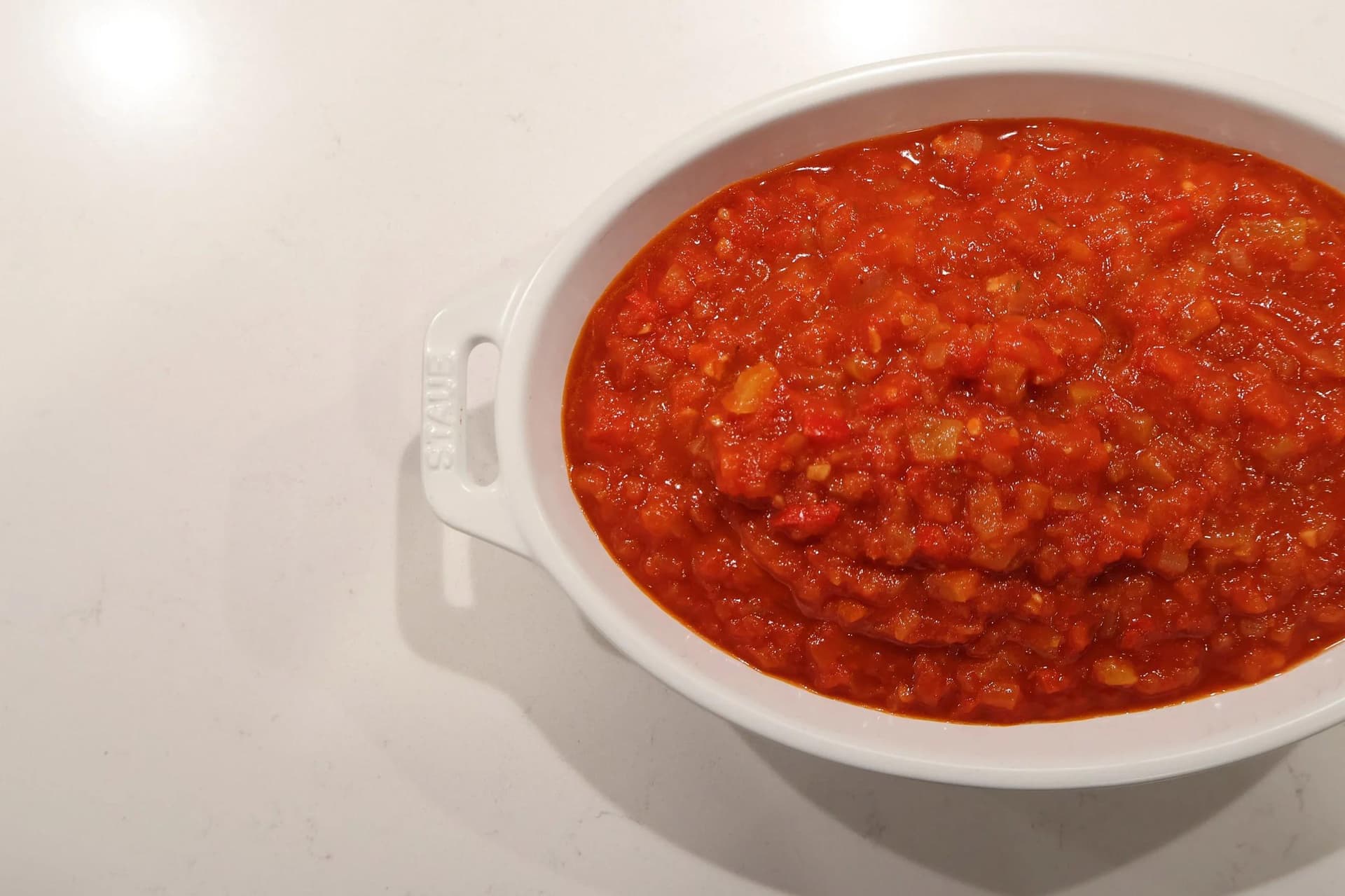
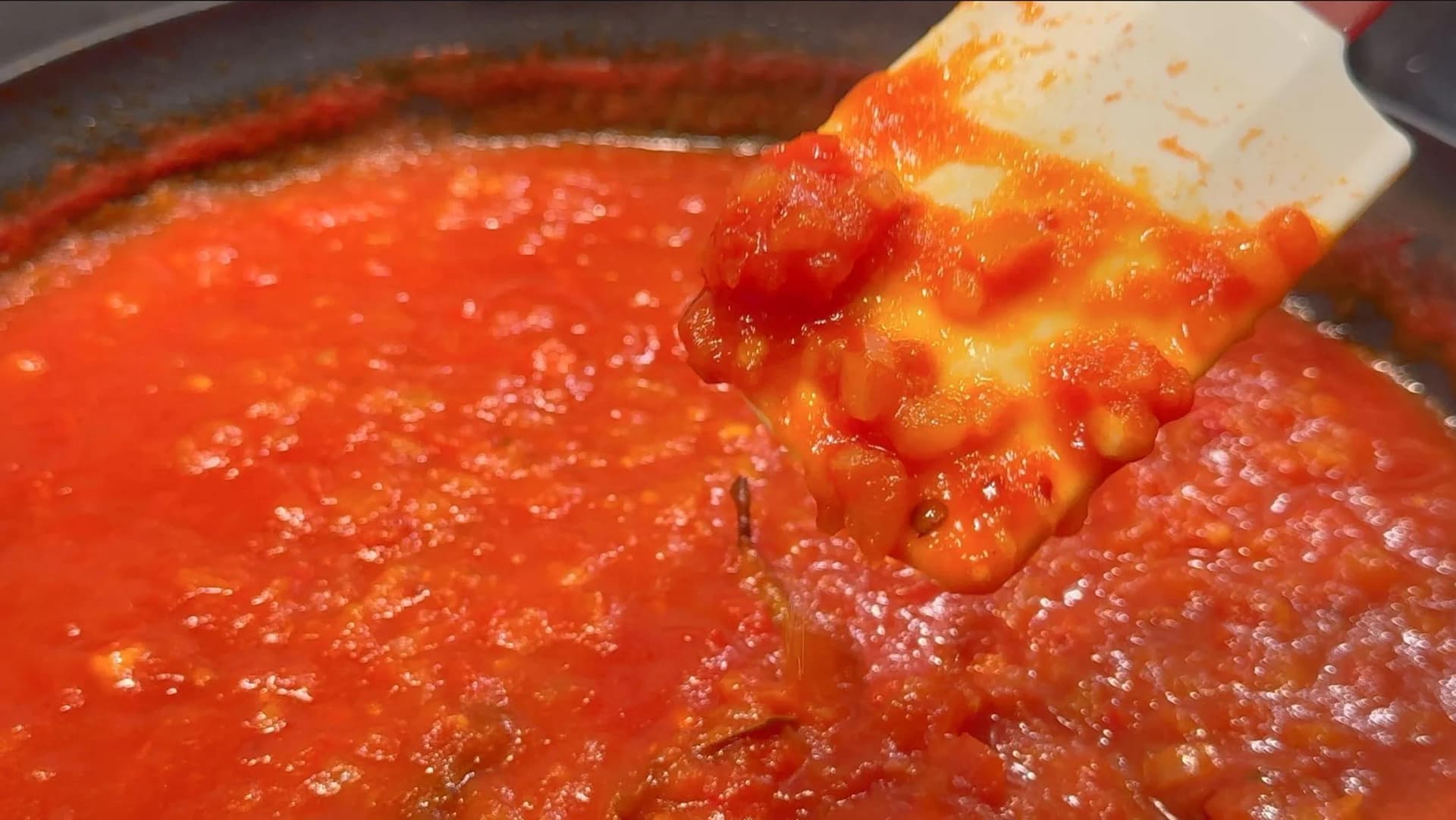
Then reduce heat and cook for 10–15 minutes until the sauce is thick and glossy. Remove the herb sprigs and bay leaf.

Serving Suggestions and Pairing Ideas for This Basque Piperade Recipe
- Pasta: If you want a twist to your tomato sauce, you can use your piperade! You can use piperade in your Baked Spaghetti Casserole, Chicken Parmesan, or even my Spicy Cajun Chicken Spaghetti.
- Bread: This sauce is excellent to serve with some crusty bread! You can dip your bread into the sauce, or spread it on top.
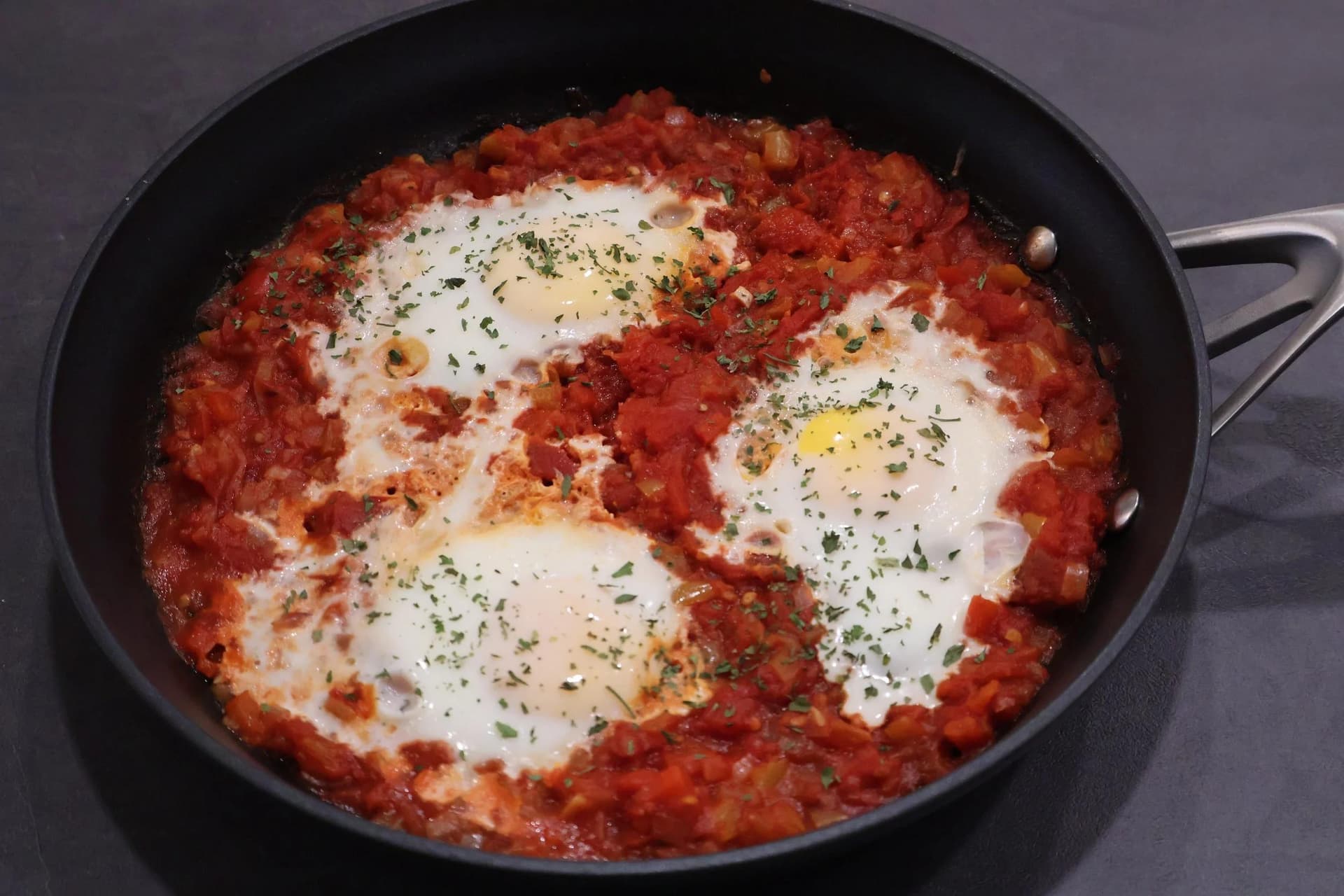
- Eggs: One of the original variations of this piperade recipe is eggs piperade. This is where you crack eggs into the sauce, similar to a shakshuka! Other ways you can enjoy eggs with piperade sauce is to serve the sauce with your omelettes and bread, or perhaps with some poached eggs.
- Ratatouille: As you can see in my Disney Pixar Ratatouille dish, this is the essential sauce that has multiple roles! It not only acts as a base for the veggie circles to rest on, protecting them from drying out in the oven, but it also releases its flavors onto the veggies to bring an extra layer of deliciousness!
- Pizza: My favorite tomato-based sauce to add on pizzas is my No-Cook Tomato Sauce. However, you can switch it up by adding this sauce onto your pizza! Try this sauce as the base for your Thin Crust Heart Healthy Chicken Pizza,Pi Day Pizza, or my 5 Pepper Pepperoni Pizza! In fact, you could even use this on Pizza Bagels!
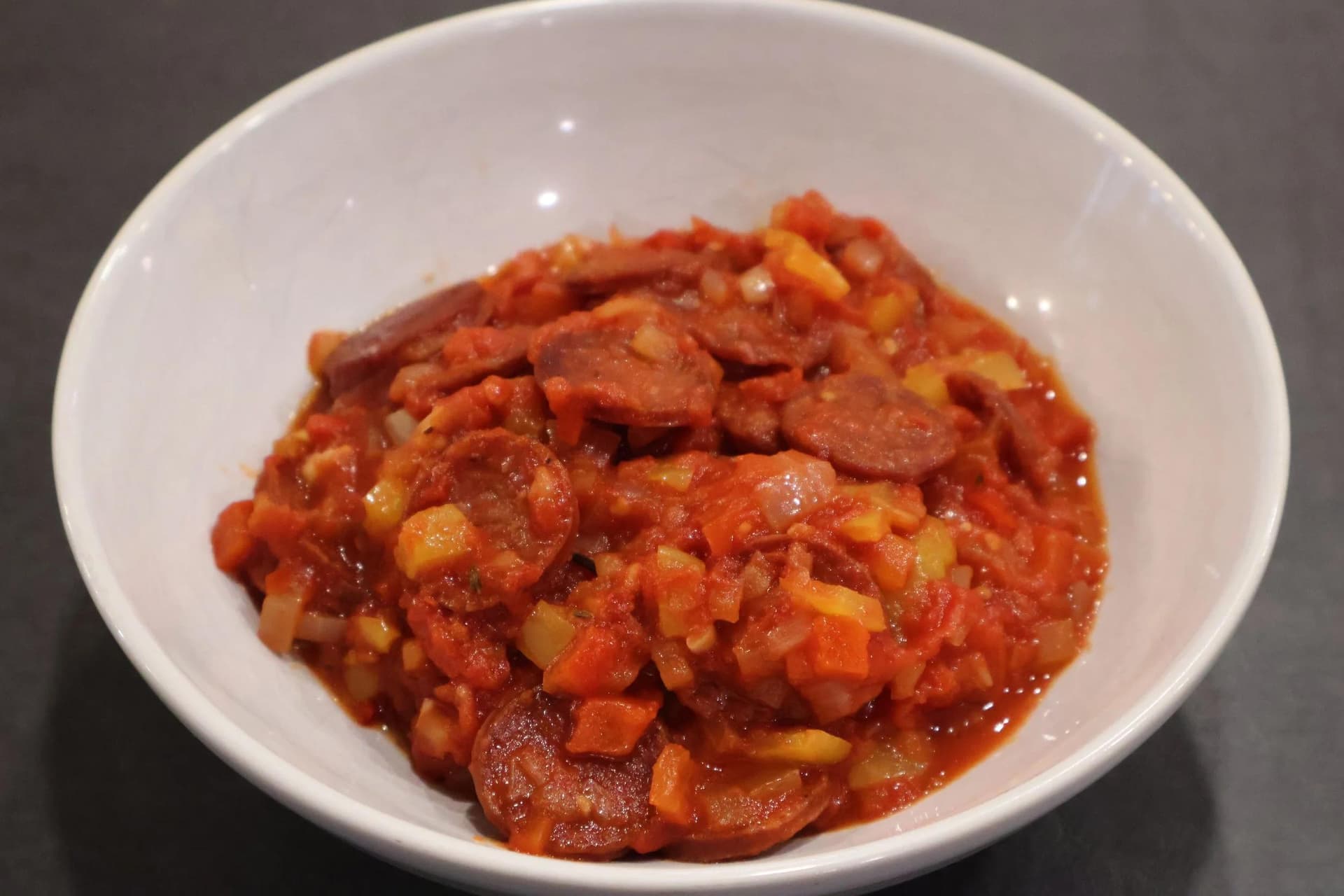
- Protein: One of the traditional protein pairings with piperade sauce is with sea bass for a seafood choice. Alternatively, you can pair it with pork. I tried it with some diced chorizo rounds and it was incredible! Some other amazing ways to have this sauce is to pair with some beef, such as Meatballs, grilled meats and poultry such as my Italian Grilled Chicken, or use it to braise meats.
- Vegetables: Enjoy this with some air fryer or oven-baked veggies.
Tips for Making the Perfect Piperade Every Time
- Don’t completely blend the tomatoes: The sauce works much better when it has some texture. Just pulse the San Marzano tomatoes.
- Don’t brown or caramelize the onions and peppers: The flavors of this sauce come from slowly cooking the veggies until they are softened but not to the extent that they lose their texture or become too caramelized.
- Less is not more here: This is sauce is packed with a lot of peppers and onions. This may seem like too high of a ratio compared to the amount of tomatoes used. However, as the veggies soften, they really reduce by about half in volume. You’ll see that the reduced veggies are just enough to give the sauce its thick, jammy texture once mixed with the chunky tomatoes.
- Allow the sauce to simmer: Make sure the sauce gently slow cooks for 10 to 15 minutes to allow the flavors to meld together. The sauce is even better if served the next day!
How to Store Piperade
In the Fridge
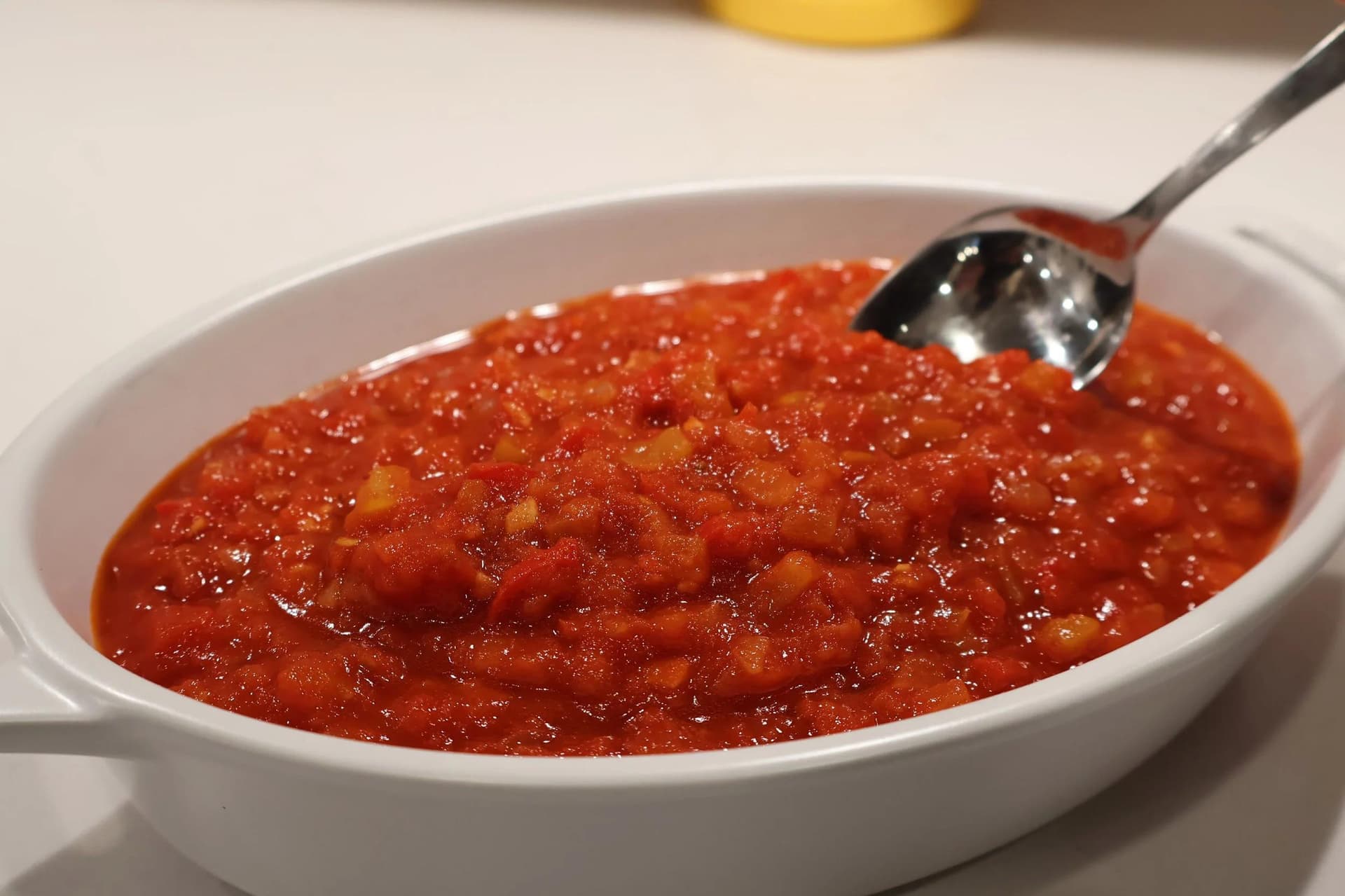
Allow the sauce to completely cool down before storing it in an airtight container in the fridge. This sauce will last 3 to 4 days in the fridge due to the garlic we have in here. The longer the sauce sits in the fridge, the more likely bacteria will form. If you can’t finish your sauce in this time, then don’t worry, because this sauce is super freezer-friendly!
Freezing Instructions
Ensure the sauce has completely cooled down before placing it in the freezer. You can reheat the sauce from frozen if you would like by gently reheating it in a saucepan. This will take some time, but I’ve reheated sauces directly from frozen many times! Otherwise, allowing the sauce to naturally thaw in the fridge 24 hours before using is perfect too.
Other Warm and Comforting Sauce Recipes
- Ragu Alla Bolognese
- Classic Italian Marinara Sauce
- Makhani Sauce - The Ultimate Butter Chicken Sauce
- Alfredo Sauce
Frequently Asked Questions
What is piperade?▼
Piperade is a classic dish from the Basque Country — a gently cooked tangle of onions, garlic and red and yellow bell peppers simmered with tomatoes and herbs until thick and glossy. It works beautifully as a sauce, a side, or a base for eggs.
What kind of peppers go in piperade?▼
This version uses one red and one yellow bell pepper, finely diced, with red chili flakes added to taste for a little warmth. The sweet bell peppers are the heart of the dish, slow-cooked until soft and silky.
Is piperade spicy?▼
Only as much as you'd like. The peppers themselves are sweet — the heat comes entirely from the red chili flakes, which you add to taste, so you can keep it mild or give it a gentle kick.
Why cook the onions and peppers low and slow?▼
Gentle heat is the secret. The onions cook for about 8 minutes until soft and translucent without browning, then the peppers for another 8 — taking it slow keeps everything sweet and silky rather than browned or bitter, which is what gives piperade its mellow flavor.
Let me know what you think of this recipe in the comments! If you’ve tried this recipe, be sure to post it on social media and tag it with #cookingwithanadi and mention me @cooking.with.anadi. Thank you!
Recipe by Anadi Misra
See how to make an incredible Basque piperade recipe. This piperade sauce is made with peppers, tomatoes, and onions. It’s iconic in the modern Ratatouille (or confit byaldi), but it can also be perfect with pasta, bread, and more!
Stovetop
5.0 · 4 ratings
3 min
Prep
15 min
Cook
18 min
Total
2
servings
makes 2 cups
easy
Level
Ingredients
Ingredients
Tap any quantity to scale
Instructions
- 1
Pulse the San Marzano tomatoes in a food processor for a few seconds until broken down but still chunky. Set aside.
Pulse the San Marzano tomatoes in a food processor for a few seconds until broken down but still chunky. Set aside.
- 2
Heat 2 tbsp olive oil in a wide pan over medium-low heat. Add the onion and cook for 8 minutes until soft and translucent. Don't brown the veggies.
Heat 2 tbsp olive oil in a wide pan over medium-low heat. Add the onion and cook for 8 minutes until soft and translucent. Don't brown the veggies.
- 3
Add the garlic and chili flakes. Sauté for 30 seconds until fragrant.
Add the garlic and chili flakes. Sauté for 30 seconds until fragrant.
- 4
Add the red and yellow bell peppers, season with salt. Cook for 8 minutes until softened.
Add the red and yellow bell peppers, season with salt. Cook for 8 minutes until softened.
- 5
Pour in the pulsed tomatoes. Add the thyme, rosemary and bay leaf. Bring to a simmer, season with salt.
Pour in the pulsed tomatoes. Add the thyme, rosemary and bay leaf. Bring to a simmer, season with salt.
- 6
Then reduce heat and cook for 10–15 minutes until the sauce is thick and glossy. Remove the herb sprigs and bay leaf.
Then reduce heat and cook for 10–15 minutes until the sauce is thick and glossy. Remove the herb sprigs and bay leaf.
Notes
- •You can substitute with equal parts of Passata/Strained tomatoes if you cannot find canned Italian tomatoes.
Nutrition per serving
Did you make this recipe? Tag @cooking.with.anadi on Instagram and hashtag it #cookingwithanadi

Tested & written in Anadi’s kitchen
Recipe history
- June 8, 2026 — Reworked and refreshed for the 2026 relaunch — new photography, restructured and standardized ingredients & instructions.
You might also like
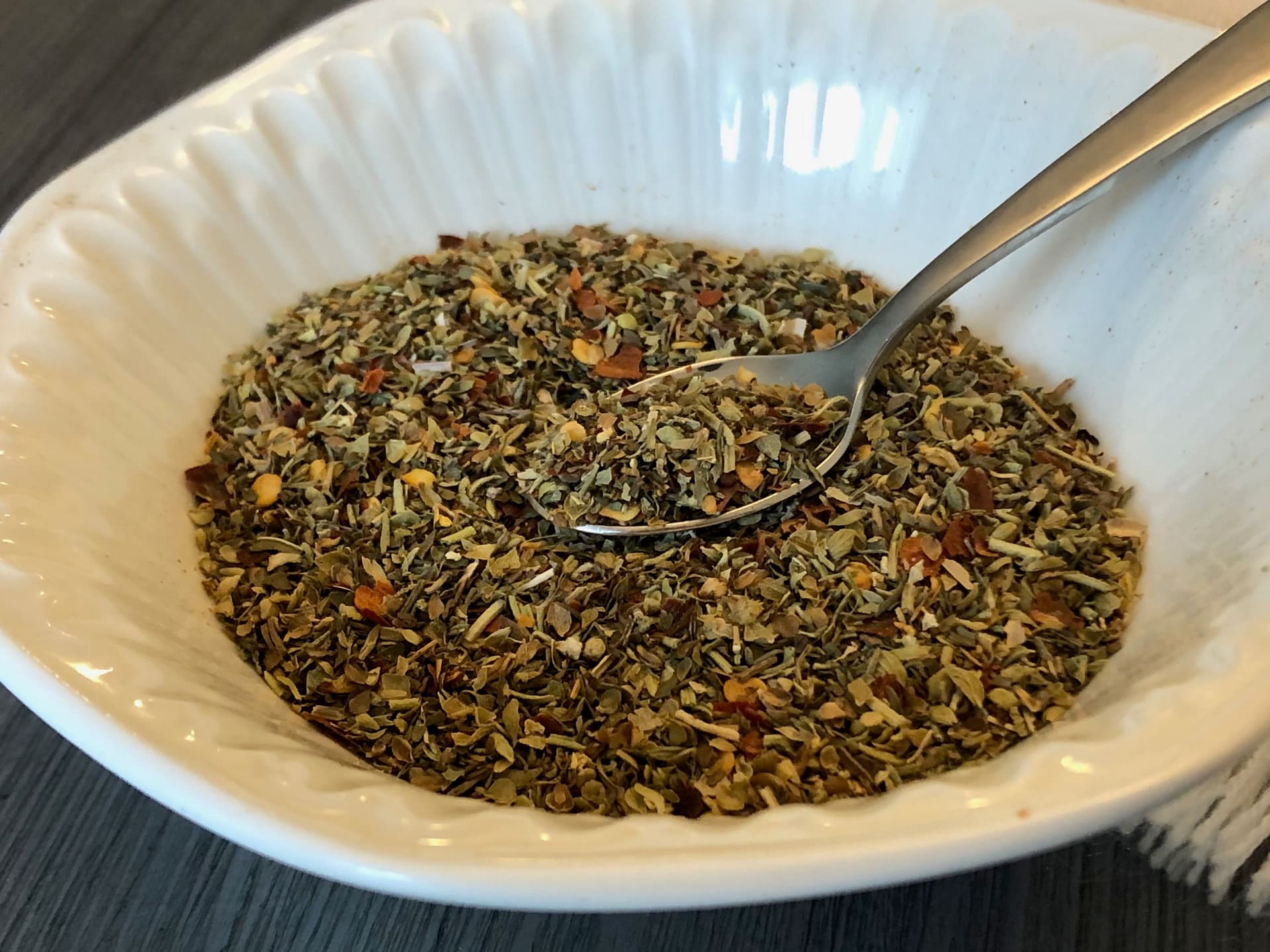
Greatest Homemade Italian Seasoning Recipe
Make the greatest homemade Italian seasoning with simple pantry spices in minutes. This easy recipe beats store-bought every time and keeps fresh for months.
How to Make an Amazing Bechamel Sauce | White Sauce Recipe
Make a silky, classic Béchamel sauce from scratch with this foolproof white sauce recipe. Rich, creamy, and ready in minutes — a must-have French mother sauce for endless dishes.
The Perfect Sauce: Classic Spicy Aioli Recipe
Make the best spicy mayo at home in minutes! This creamy, bold aioli is the ultimate easy sauce recipe for sushi, burgers, fries, and more. Your new go-to condiment.
Elevate Your Cooking with Homemade Garlic-Infused Oil!
Make flavorful homemade garlic-infused oil safely and easily! Perfect for pasta, bread, and pizza, this simple recipe delivers rich, aromatic results every time.
Discover The Aromatic Panch Phoran Recipe
Unlock the secrets of Panch Phoran, the essential Bengali five-spice blend. Quick and easy to make, this aromatic mix transforms everyday dishes with bold, authentic Indian flavor.
Freshly Made Indian-Inspired Curry Powder Spice Mix
Make your own Indian-inspired curry powder at home with this easy spice mix recipe. Fresh, fragrant, and ready in minutes — far better than anything from a store shelf.


1 comment
Awesome sauce which it’s very tasty to be enjoyed with parokas, samosa & cheeses sandwich
Leave a review
Join 1 cook who've shared a note here.