


This post may contain affiliate links. Read our disclosure policy
Watch the recipe

Are you on a quest to make your own sushi at home? I completely support that! As I describe in my free motivational guide to explore your potential in the kitchen Make Cooking Fun!,having a theme can really spark your creativity to break out of your comfort zone and try plenty of new dishes revolving around that theme. Lately, my theme has been everything sushi! The key to making perfect sushi all begins with the rice. As someone who has worked as a professional sushi cook for many years, let me tell you that if you don’t have good rice, your sushi rolls and cones will sadly be a disappointment.
As you’ll see in this guide to making the best sushi rice at home, it’s not difficult at all to cook your sushi rice perfectly! Plus, this sushi rice recipe will explain what is rice seasoning and how to make your own to add lots of excellent flavor to your sushi rice.
If you’ve always wanted to make sushi at home, now is the time to check that off your bucket list by starting out with making sushi rice at home as part of your Live to Cook one-month challenge! Get started on your cooking journey for free by signing up to my newsletter, plus all of my latest recipes will be sent straight to your inbox so you never miss out on a new dinner inspiration!
To follow along as I make the best sushi rice at home and break down everything we’ve discussed in this post, then be sure to watch the video! It would mean a lot to me if you would please subscribe to my YouTube channel if you’re already! Don’t forget you’ve also pressed the bell button so you’re notified whenever a new video recipe goes live! Let’s get cooking!

What is Sushi Rice?▼
Sushi Rice, as the name suggests, is rice that is prepared for the purpose of making sushi. Making rice for sushi follows similar principles to basic Steamed White Rice, but we enhance it a little more by flavoring it with rice seasoning. More on that soon!
Why You’ll Love This Sushi Rice Recipe
- Super simple: As the name suggests, it’s really easy to make sushi rice! You only need a few staple ingredients and minimal hands-on time to achieve the perfect sushi rice at home!
- Versatile recipe: You can use your sushi rice in so many ways! I’ve got lots of ideas later on in this post, so keep on reading!
- Fail-proof: This guide to making the perfect sushi rice at home will give you all the tips to prevent any errors so you’re guaranteed best results!

What Rice Should I Use For Sushi?▼
In my restaurant days, we used calrose rice. While calrose rice for sushi is not an authentic Japanese rice variety, nor is it short grain, this medium grain variety of American rice works really well for Sushi. I have spent a number of years at 2 popular spots for sushi in my city and calrose rice was exclusively used there. There could be several reasons for this, such as ease of availability and/or cost. I also have never found many varieties of Japanese rice in my local grocery stores! Ideally if you are able to find authentic Japanese short grain rice, you would pick one of these varieties:
- Koshihikari
- Sasanishiki
- Akitakomachi
If you can’t find Japanese short grain or calrose rice, you can try to find rice that is labeled as “sushi rice.” While I typically like to use basmati rice for my other rice recipes, it just won’t work for sushi rice! A good sushi rice is needs to allow for the “stickiness” and have great flavor and texture.
Do I Need to Wash Rice for Sushi?▼
Rice of sushi almost always needs to be washed by first rinsing and stirring out the rice in cold water and draining and repeating the process 3-5 times or until the water runs mostly clear. Sometimes you will find rice, such as Calrose varieties that are labeled as “prewashed”. For such types, you can choose to not wash it, or wash it anyways 1-2 times to wash any extra starch or dust.
What Is the Water to Rice Ratio for Perfect Sushi RIce?▼
The answer to this is simple, depends on the type of rice you picked for preparing the sushi. Follow the packaged directions and you won’t go wrong. But for quick reference, you can keep these ratios handy:
Authentic Japanese Short Grain Rice
Koshihikari: 1 parts rice, 1.2 parts water
Sasanishiki: 1 parts rice, 1.2 parts water
Akitakomachi: 1 parts rice, 1.2 parts water
American Medium Grain Rice
Calrose rice: 1 parts rice, 1.1 parts water

How Do I Know That the Sushi Rice is Cooked?▼
The rice would have roughly doubled in quantity once cooked and should hold their shape and be al dente in texture. You should also notice some stickiness between the individual grains of rice. The rice should also be slightly moist, but not mushy once cooked and each grain should look puffy.
I always allow the rice to just sit in the steam for 10 or so minutes once cooked to finish cooking any uncooked grains of rice around the pot. Once the rice is cooked, it needs to be seasoned with rice seasoning while still hot. Make sure to gradually season the rice in a hangiri or large plastic or glass container and use a rice paddle to gently fan and slice through the rice to mix the seasoning without damaging any grains of rice.
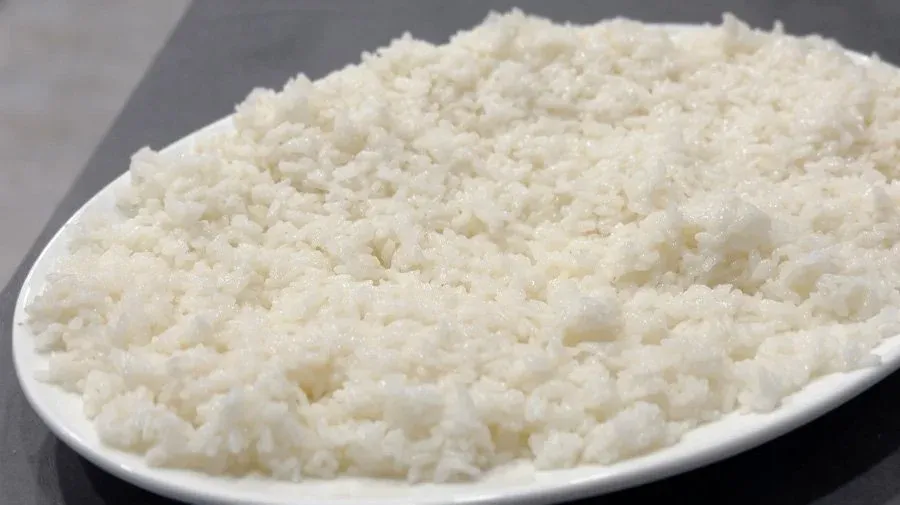
What Is Sushi Rice Seasoning?▼
Sushi rice seasoning is the key to achieving the perfect rice for sushi. While the rice themselves have lots of flavor, it’s the rice seasoning that helps finish preparing the right flavor in the rice. Usually it is made with a combination of rice vinegar, sugar and salt and varying volumes of these ingredients affect the finish flavor. There are also pre-seasoned rice vinegar you can purchase these days, though I find these varieties lacking in flavor.
Tools Needed to Make Amazing Rice for Sushi
- Saucepan
- Mixing bowl
- Whisk
- Chef’s knife
- Salt crock
- Spatula
- Cutting board
- Kitchen scale
- Measuring cup
- Measuring spoon
- Rice paddle
- Hangiri (optional)
Ingredients for the Best Sushi Rice Recipe
Scroll to the bottom of this post or press the “Jump to Recipe” button for the FULL PRINTABLE RECIPE CARD, which has all ingredients and their quantities, plus you can save the recipe for later. You can also use the recipe card to scale the recipe based on how much rice you’re looking to make so that you’ve got the correct water for the amount of dry rice, plus the correct amount of rice seasoning for the best flavor!

- Rice: My choice was calrose rice, but if you don’t have that, a short-grain white rice will work. You want to look for rice that will be “sticky” as a result of the starch content!
- Water: Key for cooking the rice.
- Salt: For seasoning the rice.
- Rice vinegar: If you’re using unseasoned rice vinegar, the ratio of sugar and salt will differ compared to if you’re using pre-seasoned rice vinegar. I’ve given the different options in the recipe card!
- Sugar: Used to balance out the acidity from the rice vinegar.
How to Make Sushi Rice on the Stove
Rinse and wash the rice well until the water runs mostly clear.
Add the rice to a rice cooker or a saucepan and add the required amount of water for your rice. You can find some references for popular sushi rice options in the notes section below. Turn on the rice cooker if using. Otherwise for the saucepan, turn on the heat to medium high and bring the water to a boil. Once boiling, lower the heat, loosely cover with a lid and cook until the rice is al dente and appears slightly moist. There should be no excess water collecting at the bottom of the saucepan or rice cooker. Turn off the heat and allow the rice to rest for 10 minutes to allow the steam to redistribute itself.


While the rice is resting, prepare the rice seasoning by combining the rice vinegar, sugar and salt in a large bowl or container and whisking well to combine. You can technically also make use of an immersion blender as well in case you are making multiple batches of rice seasoning at once.


Spread out the cooked rice in a Hangiri or a large plastic container or a large plate. Avoid the use of any metal to mix the rice. Gently spread the allotted amount of rice seasoning for the amount of rice you have cooked. Using a rice paddle, gently fan the rice grains to incorporate the rice vinegar. Taste and adjust seasoning as desired.


Allow the rice to cool slightly before storing in a container, cover with plastic wrap and use within 1-2 days for best freshness.
Enjoy!

Tips on How to Make Sushi Rice at Home Perfectly
- Find the best quality of rice you can find, either the Japanese variety I listed above or American varieties for sushi.
- Closely follow the ratio for the type of rice you are using and take good care to prevent under-cooking or over-cooking it.
- Allow the rice to sit in its steam once done cooking and make sure to mix in the rice seasoning while the rice is still warm.
- Make sure you are happy with the flavors in the rice seasoning before mixing and add the seasoning to achieve the desired flavor in the rice.
- Mixing in the rice seasoning to freshly cooked rice is a delicate process. Don’t use a metal container to mix the rice, either use glass, plastic, or more authentically a hangiri. You need a rice paddle and gradually spread the rice seasoning all over the rice while fanning and moving the rice around, without damaging the grains.
- To get the most authentic sushi rice, use one of the Japanese rice varieties like and mix the rice in an authentic Hangiri. If it’s made of cedar wood, it would release some woody tones in the rice as well, making it more flavorful
How to Serve Sushi Rice
- Sushi rolls: Of course!
- Sushi cones: Also known as hand rolls (temaki).
- Spring roll wraps
- Salmon Poke Bowls
- Buddha bowls
- Protein base: You can make your own kind of bowl using your sushi rice as the base to top with some Singapore Chicken Satay, Grilled Chicken Breast, Lemon and Herb Baked Salmon, or even Tempura Shrimp!

How to Store Sushi Rice▼
All you need to do is transfer your cooked sushi rice into an airtight container and store in the fridge. We have no dairy or perishables in our sushi rice recipe, so your cooked sushi rice should stay good in the fridge for about 1-2 days. While you can technically store it for longer, if not had fresh or within 1-2 days, you will the experience that is good sushi rice.

Temperature, Kombu, and the Last Few Details
Sushi rice is meant to be eaten at room temperature, and that is not a detail you can skip. Cold rice goes firm and chalky because the starch retrogrades in the fridge, and the seasoning stops reading as seasoning. Once the rice is dressed and fanned, let it come down to room temperature rather than chilling it, and if you have stored it, bring it back to room temperature before using it. That is also why the recipe says to cool the rice only slightly before it goes into a container and under plastic wrap, and to use it within 1 to 2 days — the wrap is there to stop the surface drying into hard grains.
The seasoning here is whisked cold: 30 g of rice vinegar, 13 g of sugar and 1.5 g of salt, straight into a bowl. If your sugar is being stubborn about dissolving, warm the three together in a small saucepan for a minute and let it cool before it touches the rice — never add warm seasoning to hot rice, or the vinegar flashes off and you lose the aroma you paid for.
One thing this recipe deliberately leaves out is kombu. A lot of traditional sushi rice steeps a small piece of dried kelp in the cooking water, or sits a piece in the vinegar mixture, for a savory background note. This version keeps it to rice, water, vinegar, sugar and salt so the flavor stays clean and the method stays simple. If you want that extra depth, a stamp-sized piece of kombu dropped into the 320 ml of cooking water and pulled out before the rice rests is the classic way to do it — and it changes nothing else about the recipe.
Let me know what you think of this recipe in the comments! If you’ve tried this recipe, be sure to post it on social media and tag it with #cookingwithanadi and mention me @cooking.with.anadi. Thank you!
Recipe by Anadi Misra
Make perfect sushi rice on the stove every time with this easy, foolproof guide. Seasoned with rice vinegar and ready in one pot, it is the ideal base for all your favorite sushi creations.
Stovetop
5.0 · 1 rating
10 min
Prep
15 min
Cook
13 min
Rest
38 min
Total
4
servings
makes 3 cups
easy
Level
Ingredients
Ingredients
Tap any quantity to scale
- (200 g) sushi rice · make your ownShop →
- (320 ml) water
- (30 g) rice vinegarShop →
- (1 ½ g) saltShop →
- (13 g) sugarShop →
Instructions
- 1
Rinse and wash the rice well until the water runs mostly clear.
Rinse and wash the rice well until the water runs mostly clear.
- 2
Add the rice to a rice cooker or a saucepan and add the required amount of water for your rice. You can find some references for popular sushi rice options in the notes section below.
Add the rice to a rice cooker or a saucepan and add the required amount of water for your rice. You can find some references for popular sushi rice options in the notes section below.
- 3
Turn on the rice cooker if using, otherwise for the saucepan, turn on the heat to medium high and bring the water to a boil. Once boiling, lower the heat, loosely cover with a lid and cook until the rice is tender and appears slightly moist. There should be no excess water collecting at the bottom of the saucepan or rice cooker.
Turn on the rice cooker if using, otherwise for the saucepan, turn on the heat to medium high and bring the water to a boil. Once boiling, lower the heat, loosely cover with a lid and cook until the rice is tender and appears slightly moist. There should be no excess water collecting at the bottom of the saucepan or rice cooker.
- 4
Turn off the heat and allow the rice to rest for 10 minutes to allow the steam to redistribute itself.
Turn off the heat and allow the rice to rest for 10 minutes to allow the steam to redistribute itself.
- 5
While the rice is resting, prepare the rice seasoning by combining the rice vinegar, sugar and salt in a large bowl or container and whisking well to combine. You can technically also make use of an immersion blender in case you are making multiple batches of rice seasoning at once.
While the rice is resting, prepare the rice seasoning by combining the rice vinegar, sugar and salt in a large bowl or container and whisking well to combine. You can technically also make use of an immersion blender in case you are making multiple batches of rice seasoning at once.
- 6
Spread out the cooked rice in a hangiri or a large plastic container or a large plate. Avoid the use of any metal to mix the rice. Gently spread the allotted amount of rice seasoning for the amount of rice you have cooked. Using a rice paddle, gently fan the rice grains to incorporate the rice vinegar. Taste and adjust seasoning as desired.
Spread out the cooked rice in a hangiri or a large plastic container or a large plate. Avoid the use of any metal to mix the rice. Gently spread the allotted amount of rice seasoning for the amount of rice you have cooked. Using a rice paddle, gently fan the rice grains to incorporate the rice vinegar. Taste and adjust seasoning as desired.
- 7
Allow the rice to cool slightly before storing in a container, cover with plastic wrap and use within 1-2 days for best freshness.
Allow the rice to cool slightly before storing in a container, cover with plastic wrap and use within 1-2 days for best freshness.
Notes
- •Rice to Water Ratios
- •Authentic Japanese Short Grain Rice
- •Koshihikari: 1 parts rice, 1.2 parts water
- •Sasanishiki: 1 parts rice, 1.2 parts water
- •Akitakomachi: 1 parts rice, 1.2 parts water
- •American Medium Grain Rice
- •Calrose rice: 1 parts rice, 1.1 parts water
Nutrition per serving
196
Calories
4g
Protein
43g
Carbs
0g
Fat
1g
Fiber
3g
Sugar
103mg
Sodium
Did you make this recipe? Tag @cooking.with.anadi on Instagram and hashtag it #cookingwithanadi

Tested & written in Anadi’s kitchen
Recipe history
- April 16, 2026 — Reworked and refreshed for the 2026 relaunch — new photography, restructured and standardized ingredients & instructions.
Filed under
You might also like
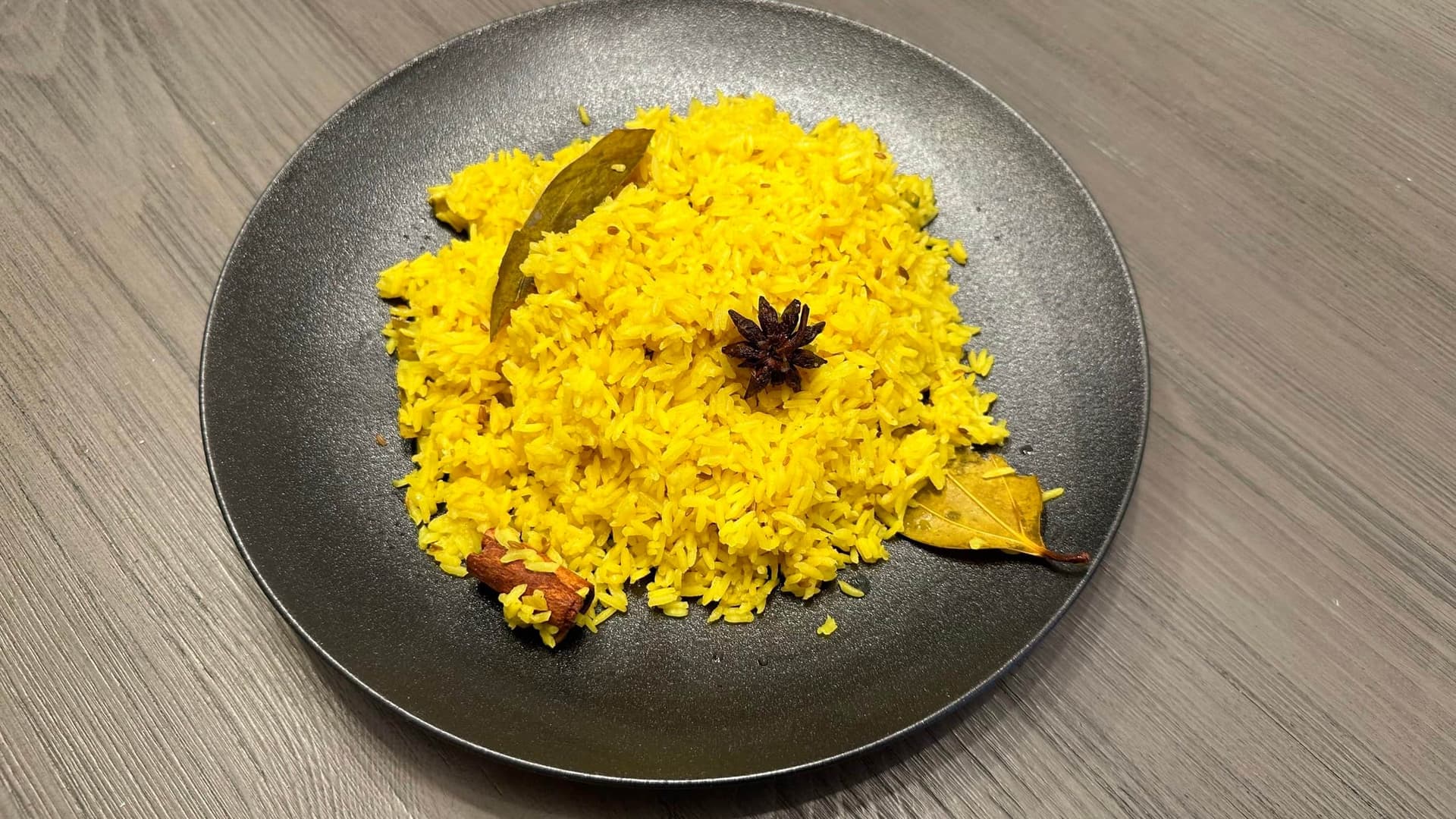
Easy And Aromatic Fluffy Indian Turmeric Rice
Fluffy Indian Turmeric Rice made easy and aromatic with simple spices. A quick vegetarian side dish perfect for any meal. Bright, fragrant, and ready in minutes.
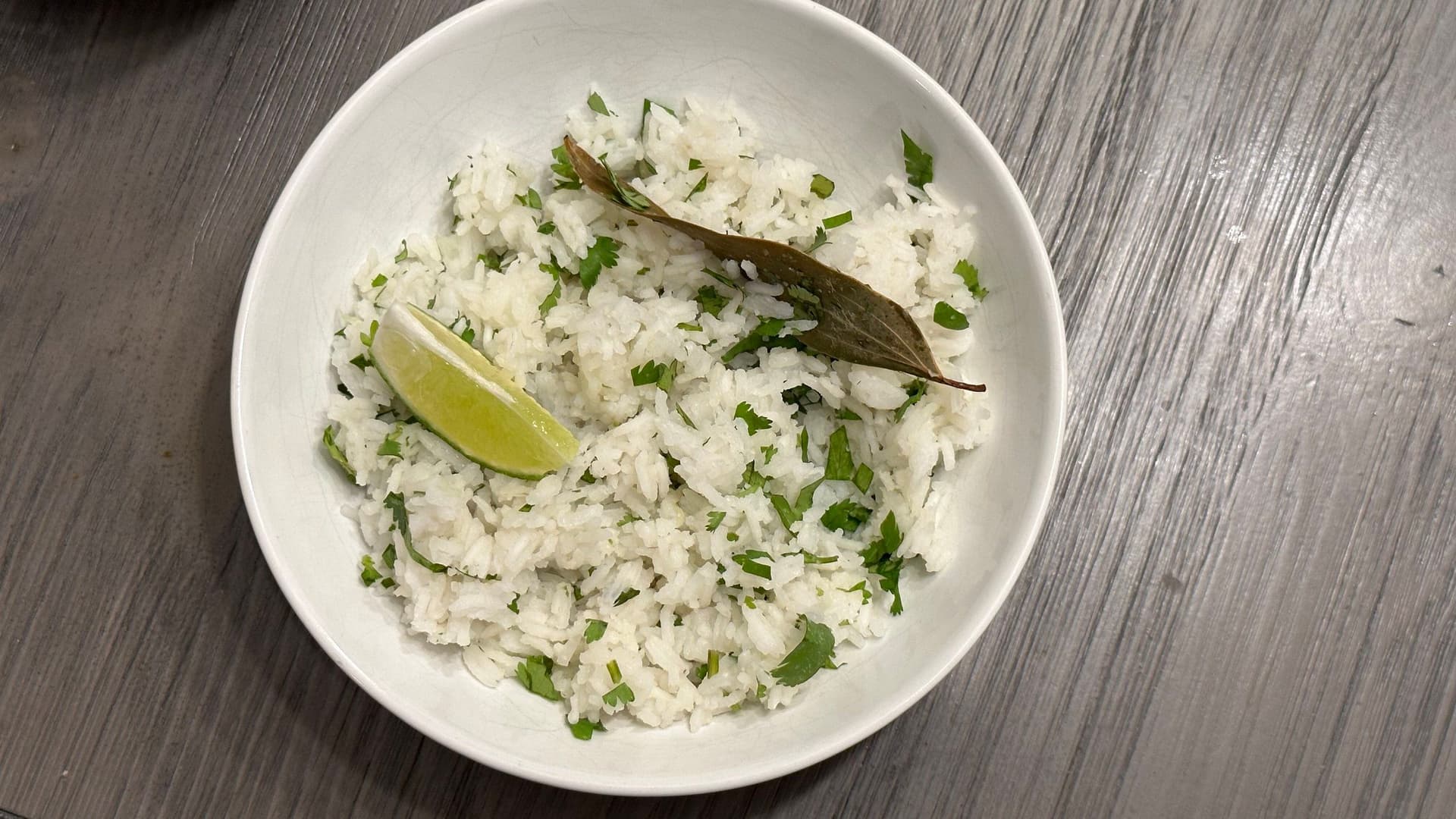
Healthy Homemade Chipotle Cilantro Lime Rice
Make restaurant-quality cilantro lime rice at home with this healthy, easy recipe. Fresh, fluffy, and full of flavor — it's the perfect vegetarian side dish ready in minutes.
Flavorful Indian Cilantro Lemon Rice Recipe
Bright, zesty, and ready in minutes, this Indian Cilantro Lemon Rice is a flavorful vegetarian dish packed with fresh herbs and bold spices. A quick and easy recipe you will love.

Experience Greece with this Greek Lemon Rice Pilaf
Experience the flavors of Greece with this easy Greek Lemon Rice Pilaf. A bright, zesty one-pot vegetarian dish ready in no time. Simple ingredients, big Mediterranean flavor.
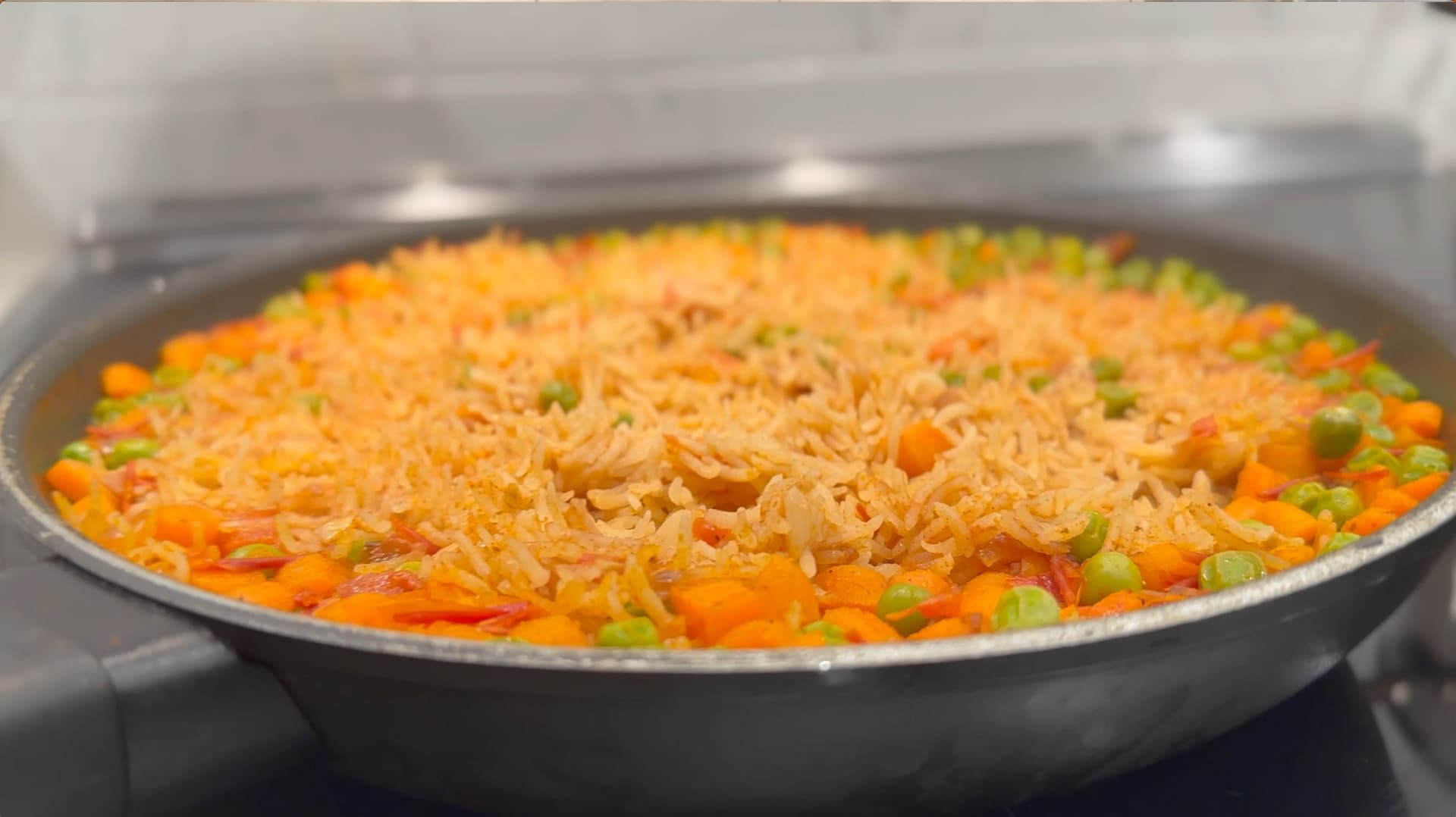
Easy Restaurant-Style Mexican Tomato Rice Recipe
Make restaurant-style Mexican tomato rice at home with ease. Fluffy, flavorful, and ready fast — this authentic recipe rivals your favorite Mexican restaurant every time.
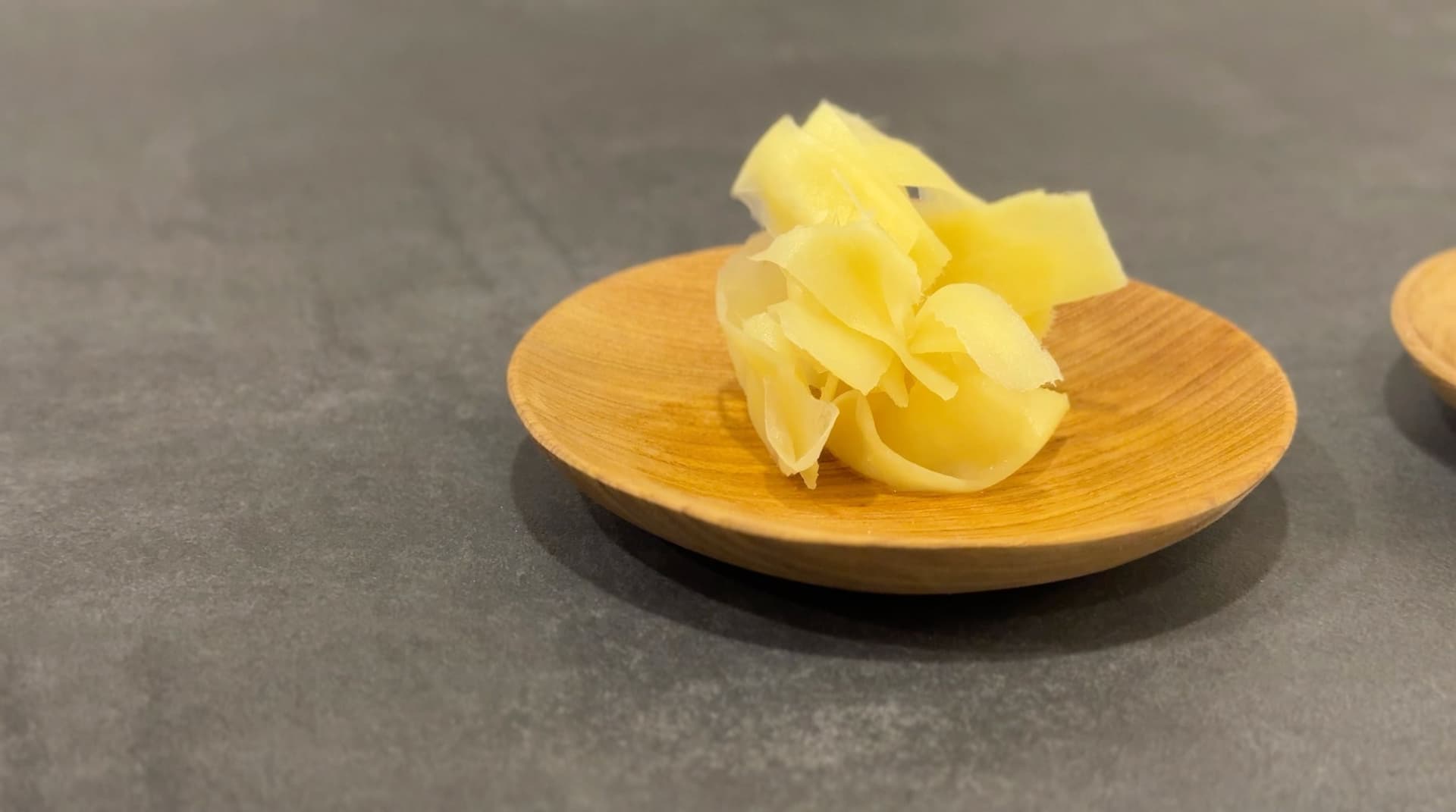
How To Make Pickled Ginger for Sushi (Gari)
Make authentic Japanese pickled ginger (gari) at home with just a few simple ingredients. Sweet, tangy, and ready in minutes, it's the perfect homemade sushi accompaniment.


Comments
No comments yet — be the first to share your thoughts!
Leave a review
Be the first to share how it went — your note helps other cooks (and earns the recipe its stars).