


This post may contain affiliate links. Read our disclosure policy
Watch the recipe
Cooking With Anadi
12K subscribers · fluffy, tender grains that pair beautifully with any meal
Hello dear reader! You’ve come here because you’ve been eager for dinner, and you want to know how to cook white rice to complete the meal. Rice is a grain that we probably couldn’t live without, and I’m excited to share this guide on how to cook white rice today.
Rice is cheap, simple to grow, nutritious, and easy to prepare. It’s a staple food in diets across the world. You may think that rice on its own is not very exciting, but I’m here to tell you that that’s simply not true. If you haven’t been excited for rice, then you haven’t been doing it right!

Let me tell you that eevery single time I get my rice perfect, I absolutely jump for joy! When the rice is fluffy and every single grain of rice is distinguishable, that’s such a win in my books!
Unfortunately, despite rice being such a basic commodity, it’s oddly easy to mess up! You could add too much water, boil the rice for too long, boil the rice for not long enough, use too much heat… You either have rice that could be still solid, rice that’s stuck to the pot and burnt, or rice that you manage to get out but it’s sticky and mushy, impossible to separate.
Yikes! That doesn’t sound appetizing to me! When I’ve ruined my rice I’ve been so disappointed! The thing is, these are mistakes that you can easily avoid making. Cooking great rice simply takes practice and the correct technique.
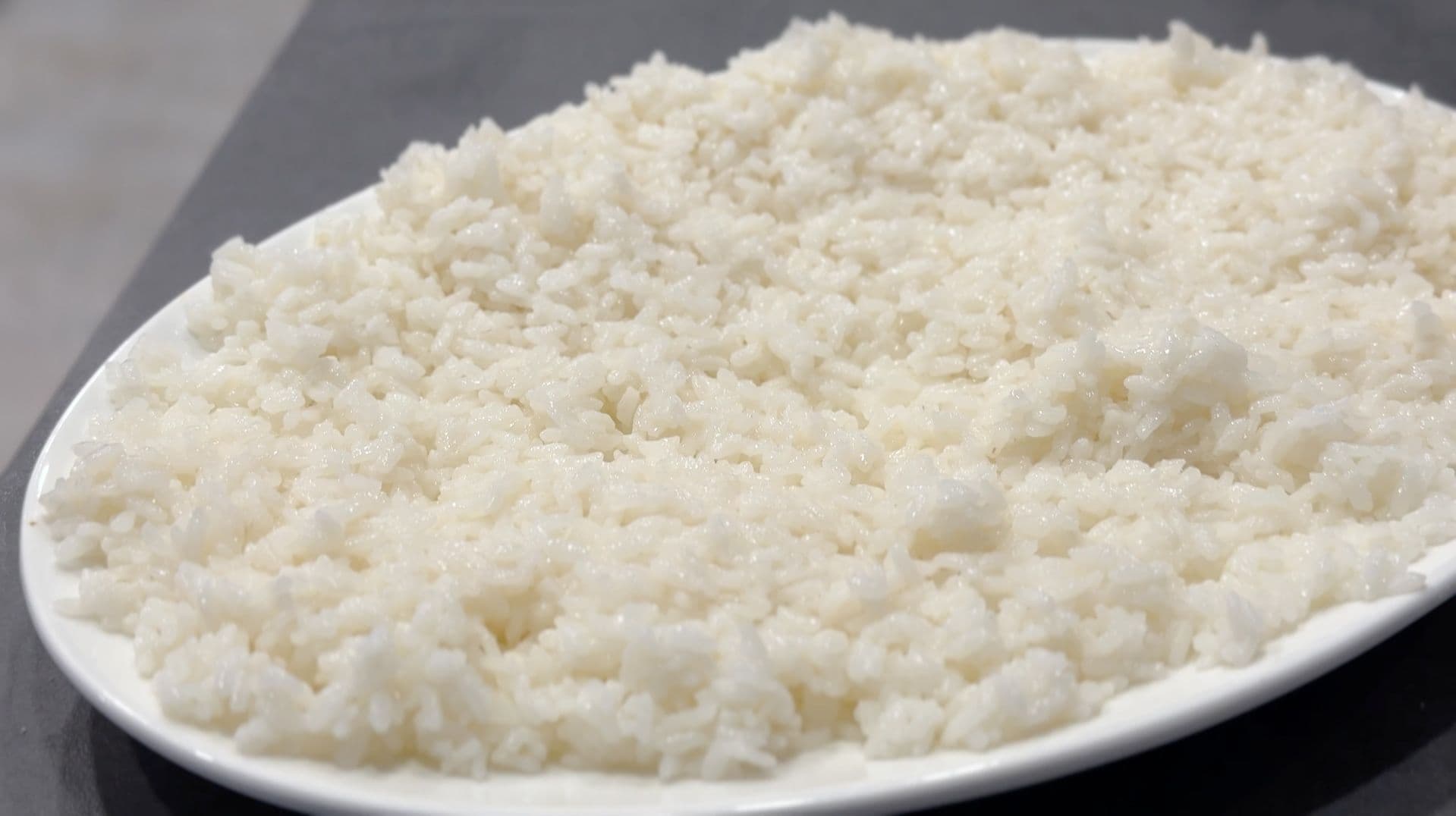
That’s what I plan on doing by sharing this guide on how to cook white rice! By the end of this post, you’ll have the tips and tricks you need on how to cook white rice perfectly very single time! No more mushy rice where half of it is stuck to the pot! With this complete guide on how to cook white rice, you're going to be able to take all the rice out of your pan, feel every grain, and have delicious rice for your curries, as a side for a protein-packed dinner, or to use to make a dish in itself!

What’s the Best Rice to Use?▼
Everything starts with the type of rice you’re using. Rice grains range from long-grain, medium-grain, and short-grain.
Long-grain: Examples of long-grain rice include American brown and white rices, Thai jasmine rice, and Indian Basmati rice. Most of the time I’ll be using Basmati rice in my recipes. What can I say, that’s the rice I was raised on! Long-grain rice varieties are very versatile, as the grains have a firm, dry texture. This is your every day rice and best used for side dishes, pilafs, to serve with curries, and to use in salads.
Medium-grain: This includes Japanese-style rice that’s used for sushi and to serve plain with a meal as well as Calrose and valencia bomba rice, used to make Spanish classic paella. Rice of this grain type will absorb double the amount of water as long-grain rice but won’t become sticky.
Short-grain: This type of rice is known for producing a sticky starch. Examples of short grain rice includes Arborio, Japanese sticky rice that’s used for sweets called “mochi”, and short-grain brown rice. Arborio rice in particular is great for risottos because of the extra starch, which will make the dish creamy.
There are also specialty rices such as Chinese black rice and wild rice. I don’t have any experience with these rice varieties, so I can’t give too much information, but if you’re interested then be sure to read more from the source linked below!
Source: Fine Cooking
This recipe will be primarily geared toward basmati rice, as most of my recipes incorporate basmati rice, as I’ve already mentioned. However, this advice can apply to other types of white rice.
Tools Needed
Ingredients for Perfect White Rice
Well, this is easy! All you need are two ingredients for great white rice:
- Rice of choice
- Water
You can definitely season your rice and add butter or oil to flavor the rice, but this recipe will just focus on cooking the rice itself.

How to Cook the Best White Rice
Rinse Rice
A rice like basmati is not as full of starch as other varieties, like calrose. How do I know that? Well, when you rinse the rice, which is basically washing it in cold running water, the water does not turn as cloudy. The downside of not rinsing the rice before cooking is that the starch will make the rice extremely sticky.
For good measure, I rinse my basmati rice 2-3 times before cooking. It's good practice.
You can also let the rice soak in the water for 30 minutes before cooking, but I never really have the patience for that.
Rice to Water Ratio
Long grain rice: 1 cup rice to 2 cups water
Medium grain rice: 1 cup rice to 1 1/3 cup water
Short grain rice: 1 cup rice to 1 1/4 cup water
Cooking the Rice - Steamed Method
- Once the rice has been rinsed, add it to a saucepan or pot and pour in the appropriate amount of water. Then, turn the heat to high and let the water come to a boil. Then reduce the heat to low, cover the pot leaving a small slit open for steam to escape, and let the rice cook for 15-20 minutes.
- Remember, the more rice you are cooking, the longer it will take. Same goes the other way. Over time, your nose will develop senses that will tell you that the rice is cooked. Once done cooking, take a bit of the rice. It should be soft, and still hold its shape. At this point, take the pot off the heat, keep it covered and let it sit for about 10 minutes. This will help ensure the rice is not sticky from the excess steam and make the rice fluffy.
- Before serving, fluff up the rice with a fork.
Cooking the Rice - Boiled Method
- Rinse the rice in cold water in a strainer or in a pot 3-4 times or until the water runs clear.
- Add the rice to a pot with 3 times the amount of water. Turn heat to high and bring water up to a boil. Lower the heat just enough so that the water continues to simmer. Cook the rice until it is tender.
- Transfer the rice to a strainer and drain any excess water. Return the rice to the pot it was cooked in and cover, let it sit for a few minutes.
Storing and Reheating Rice
I usually keep rice in a Tupperware container, if stored just by itself it will have a tendency to dry out a little bit, which is great if you are looking to reuse it in a stir-fry or pulao. If you have left over curry/sauce as well, that should keep the rice hydrated.
The refrigerator life would be between 3-4 days, plus it cooks so quick why not plan better and have it fresh!
To reheat, you can microwave it for 45 seconds to a minute, or convert it into the most yummy pulao. Check out some of my favorite recipes here:
- Easy Restaurant-Style Jeera Rice Recipe
- Light and Healthy Vegetable Rice Pulao
- Egg Fried Rice - Indian Egg Rice Pulao
- Healthy Indian-Style Cilantro-Lemon Rice
- Instant Pot Khichdi
- Spicy One-Pot Chicken & Rice
- One-Pot Chicken & Rice with Veggies
The Three Ratios, and Why There Is No Salt
Almost everything about perfect rice comes down to the ratio, and the ratio changes with the grain. For long grain, it is 1 cup of rice to 2 cups of water. For medium grain, 1 cup of rice to 1 1/3 cups of water. For short grain, which is what sushi rice is, 1 cup of rice to 1 1/4 cups of water. The shorter the grain the less liquid it needs, because there is less inside to hydrate and more starch sitting on the outside. Measure the water level against the rice rather than eyeballing it, and if you scale the batch up, scale both together; however much rice you are cooking, the cups of water move with it. Rinse the rice in cold water three to four times, or until the water runs clear. That rinse is not fussiness, it takes off the excess starch that would otherwise glue the grains into a block. And you will notice something missing from the ingredient list: there is no salt. Plain steamed white rice here is rice and water and nothing else, because it is a side that has to sit under a curry or a stir fry without fighting it. Salt the dish, not the rice.
Heat, the Lid, and the Ten Minutes That Make It Fluffy
Bring the pan to a boil on high, then turn it all the way down to low, not to medium high heat, which is where most sticky and scorched stovetop rice comes from. Cover it, but leave a small opening for steam to escape. A heavy lid clamped down tight is exactly how you end up with an overflow mess running down the side of the pan. Give it 15 to 20 minutes; the cook time on the card is 15 min, and that is the average time on a stove. No rice cooker is needed for any of this. Then comes the part people skip: fluff it with a fork, put the lid back on, and let it sit off the heat for 10 minutes. That rest is what turns good rice into fluffy rice, because the residual water redistributes through the grains instead of pooling at the bottom of the pan. If you would rather not measure at all, use the boiled method instead. Three times the liquid, simmer until tender, drain in a strainer, then return it to the pan and cover for a few minutes. It is far more forgiving, and it is the right call when you are cooking a big batch to keep as leftover rice.
Let me know what you think of this recipe in the comments! If you’ve tried this recipe, be sure to post it on social media and tag it with #cookingwithanadi and mention me @cooking.with.anadi. Thank you!
Recipe by Anadi Misra
Perfect white rice every time, whether boiled or steamed. Follow our simple, foolproof method for fluffy, tender grains that pair beautifully with any meal.
One-pot
5.0 · 1 rating
2 min
Prep
15 min
Cook
17 min
Total
4
servings
makes 3 cups
easy
Level
Ingredients
Ingredients
Tap any quantity to scale
Long grain white rice
- (190 g) riceShop →
- (480 ml) water
Medium grain white rice
- (190 g) riceShop →
- (320 ml) water
Short grain white rice
- (190 g) riceShop →
- (300 ml) water
Instructions
Steamed Method
- 1
Rinse the rice in cold water in a strainer or in a pot 3-4 times or until the water runs clear.
Rinse the rice in cold water in a strainer or in a pot 3-4 times or until the water runs clear.
- 2
Depending on the type of rice you are using, add the rice to a pot and water, turn heat to high and bring water up to a boil. Once water is boiling, turn heat down to low and cover with a lid or plate. Make sure to leave a small opening to let steam escape.
Depending on the type of rice you are using, add the rice to a pot and water, turn heat to high and bring water up to a boil. Once water is boiling, turn heat down to low and cover with a lid or plate. Make sure to leave a small opening to let steam escape.
- 3
After about 15-20 minutes, the rice should be cooked. Using a fork, fluff up the rice, cover again and let it sit for about 10 minutes. This will help ensure the rice is not sticky from the excess steam and make the rice fluffy.
After about 15-20 minutes, the rice should be cooked. Using a fork, fluff up the rice, cover again and let it sit for about 10 minutes. This will help ensure the rice is not sticky from the excess steam and make the rice fluffy.
Boiled Method
- 1
Rinse the rice in cold water in a strainer or in a pot 3-4 times or until the water runs clear.
Rinse the rice in cold water in a strainer or in a pot 3-4 times or until the water runs clear.
- 2
Add the rice to a pot with 3 times the amount of water. Turn heat to high and bring water up to a boil. Lower the heat just enough so that the water continues to simmer. Cook the rice until it is tender.
Add the rice to a pot with 3 times the amount of water. Turn heat to high and bring water up to a boil. Lower the heat just enough so that the water continues to simmer. Cook the rice until it is tender.
- 3
Transfer the rice to a strainer and drain any excess water. Return the rice to the pot it was cooked in and cover, let it sit for a few minutes.
Transfer the rice to a strainer and drain any excess water. Return the rice to the pot it was cooked in and cover, let it sit for a few minutes.
Nutrition per serving
657
Calories
13g
Protein
144g
Carbs
1g
Fat
2g
Fiber
0g
Sugar
20mg
Sodium
Did you make this recipe? Tag @cooking.with.anadi on Instagram and hashtag it #cookingwithanadi

Tested & written in Anadi’s kitchen
Recipe history
- April 16, 2026 — Reworked and refreshed for the 2026 relaunch — new photography, restructured and standardized ingredients & instructions.
Filed under
You might also like

Experience Greece with this Greek Lemon Rice Pilaf
Experience the flavors of Greece with this easy Greek Lemon Rice Pilaf. A bright, zesty one-pot vegetarian dish ready in no time. Simple ingredients, big Mediterranean flavor.
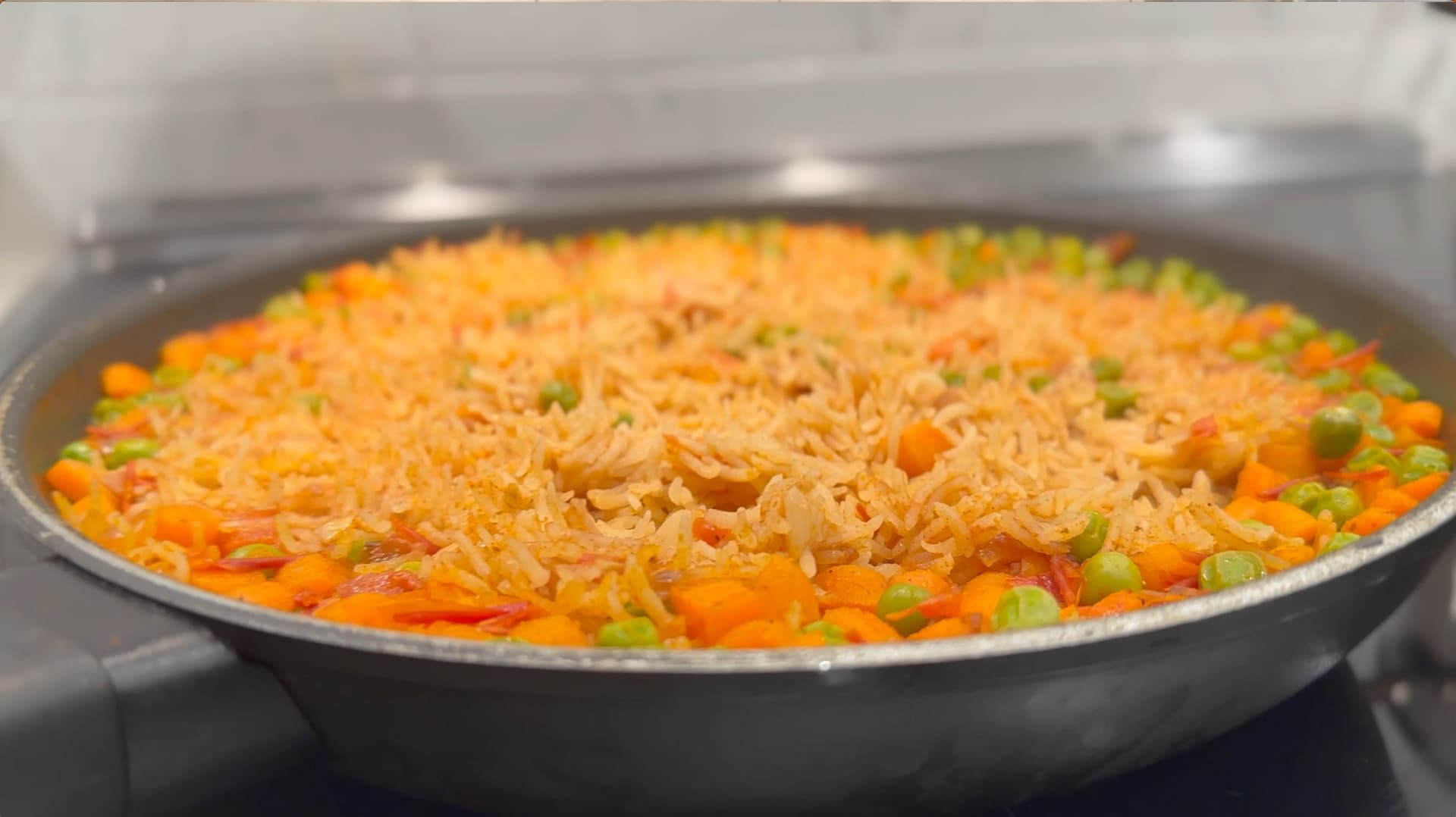
Easy Restaurant-Style Mexican Tomato Rice Recipe
Make restaurant-style Mexican tomato rice at home with ease. Fluffy, flavorful, and ready fast — this authentic recipe rivals your favorite Mexican restaurant every time.
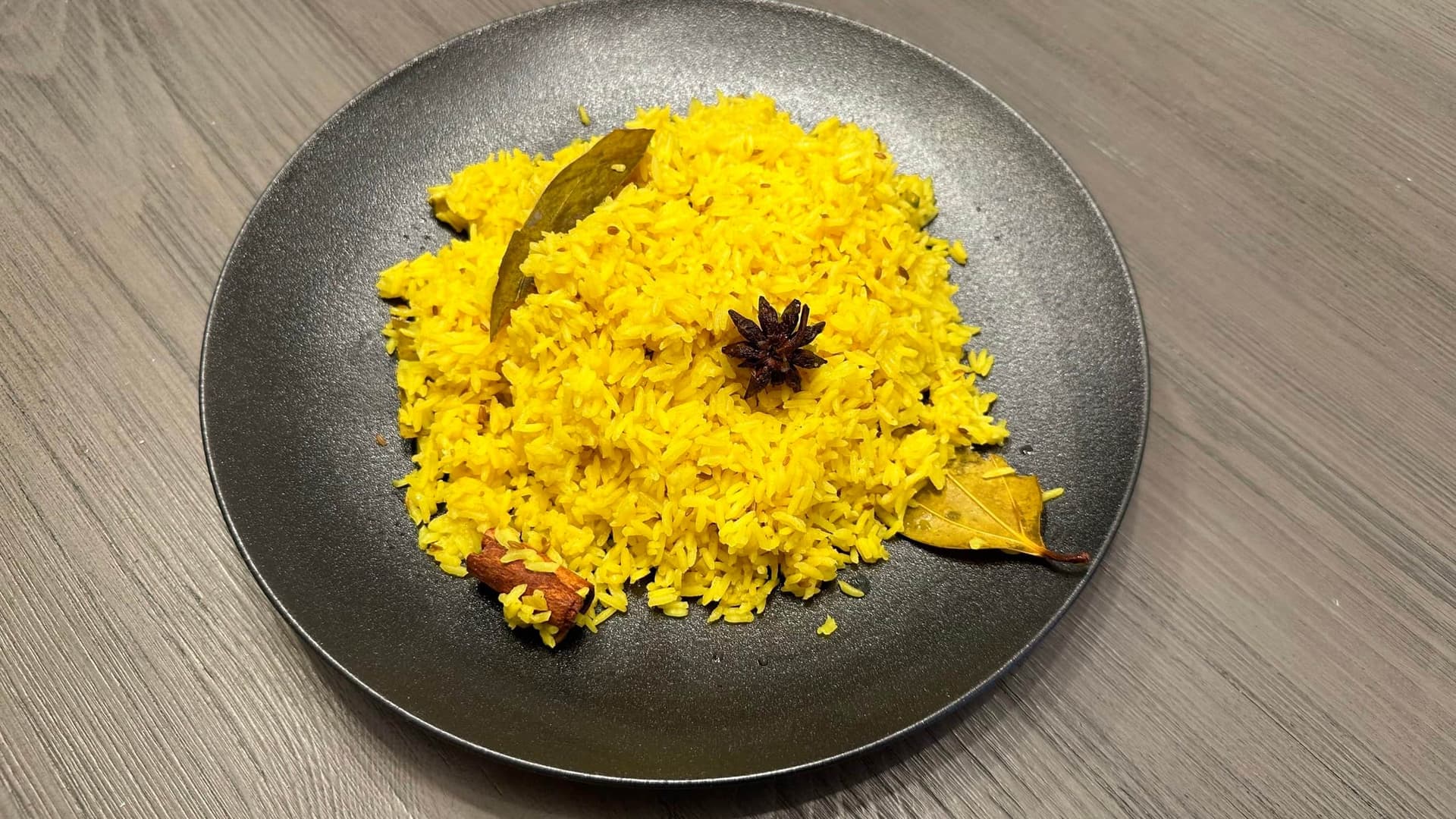
Easy And Aromatic Fluffy Indian Turmeric Rice
Fluffy Indian Turmeric Rice made easy and aromatic with simple spices. A quick vegetarian side dish perfect for any meal. Bright, fragrant, and ready in minutes.
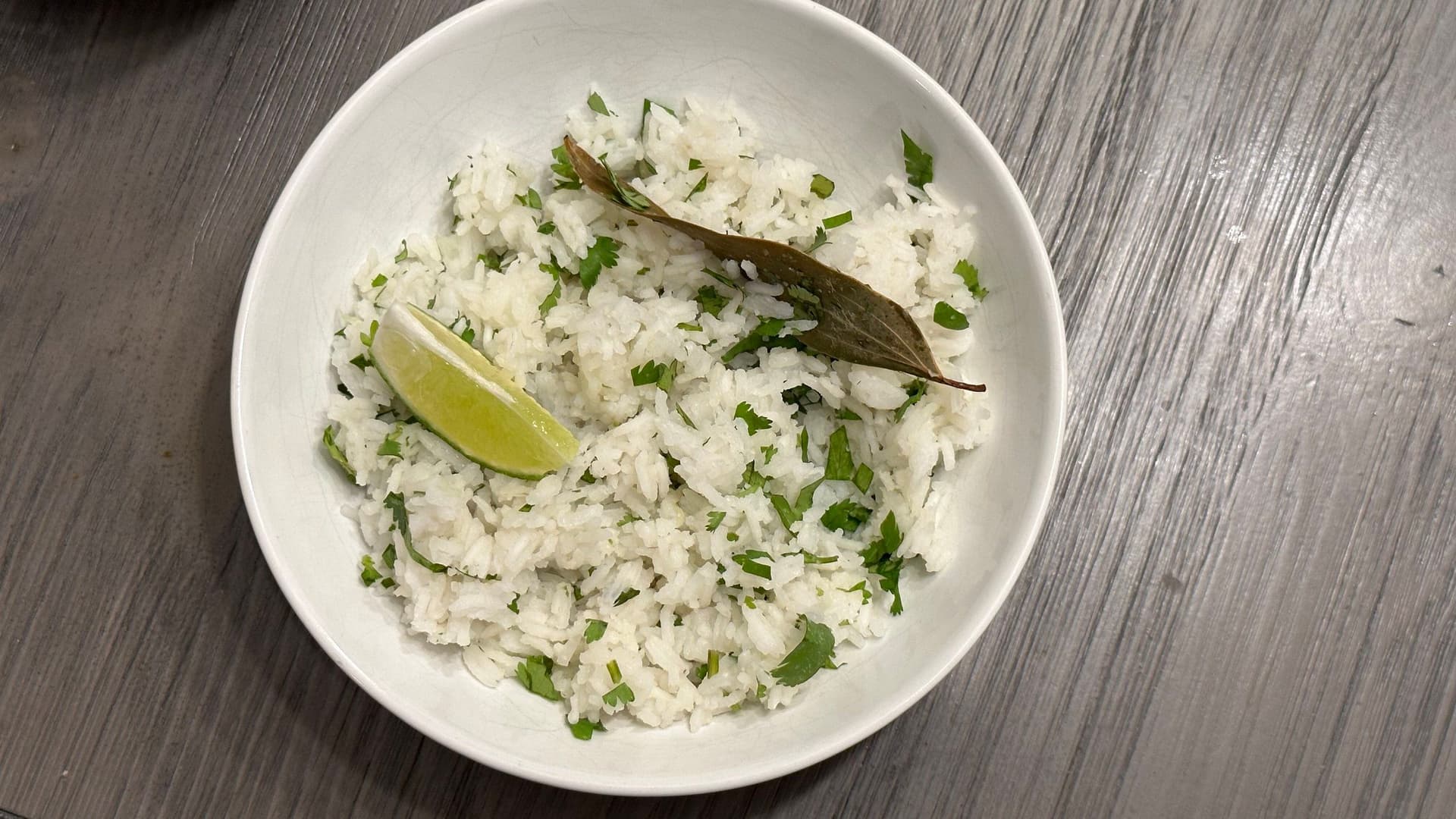
Healthy Homemade Chipotle Cilantro Lime Rice
Make restaurant-quality cilantro lime rice at home with this healthy, easy recipe. Fresh, fluffy, and full of flavor — it's the perfect vegetarian side dish ready in minutes.
The Ultimate Guide on How to Make Sushi Rice Over the Stove
Make perfect sushi rice on the stove every time with this easy, foolproof guide. Seasoned with rice vinegar and ready in one pot, it is the ideal base for all your favorite sushi creations.
Pudina-Dhanya Pulao (Coriander Mint Rice)
Pudina-Dhanya Pulao is a fragrant Indian mint and coriander rice that comes together quickly for a healthy, flavorful vegetarian side dish perfect for any weeknight meal.


Comments
No comments yet — be the first to share your thoughts!
Leave a review
Be the first to share how it went — your note helps other cooks (and earns the recipe its stars).