


This post may contain affiliate links. Read our disclosure policy
Watch the recipe

What Is Poha?
Poha is also known as flattened rice which is made when rice is literally flattened into thin, dry flakes. Poha can be consumed without the need for any additional cooking since the rice is parboiled before flattening. Traditionally, the poha is washed under water, which they absorb and swell up to become fluffy. There are several thicknesses of poha you may find, the most common one in use in my household is the thick variety.
One of the most popular dishes made with poha is aptly named poha, from the state of Maharashtra, India which can either be made with kanda (onion) or kanda & batata (onion & potato). I find that the addition of potatoes makes this dish kid friendly, and I am speaking from experience.
My favorite childhood version is just a simple batata poha or aloo poha (potato poha) with green peas. And I have had so many variations, from the desi style from the small town of Jaunpur to North Indian. With this recipe, I have attempted to combine the best of them all and I am really happy with it.
I would like to note that traditionally poha is yellow since turmeric is used during cooking. I like the look of a white poha with the yellow and green from the potatoes and peas which is why I omit it. Feel free to add turmeric if desired.
Tips to Make a Fantastic Poha
Choose the right variety: Medium to thick poha works best with this recipe. Since during the cooking process, the poha does not turn mushy. Small poha tends to disintegrate when soaked and cooked in this method.
Rinse & Soak: Poha contains a lot of starch which needs to be rinsed off to avoid a mushy mess. Rinse under cold water until the water is clear, you can also fill up a bowl and rinse and repeat until the water is no longer cloudy.
In terms of soaking, an under-soaked poha will result in a flat crispy poha while an over-soaked poha will turn it mushy. To get the perfect fluffy texture, I like to start rinsing and soaking the poha once I have added the potatoes to the pan. I rinse it 5-6 times, drain it completely and let it sit. The residual water will be absorbed to make the poha fluffy.
Tools Needed
How to Make North Indian Poha
Here’s what you need to do to make a yummy poha for an exciting brunch this morning! Don’t forget that the FULL PRINTABLE RECIPE is available at the bottom of this post!
Begin by peeling and chopping your potato.

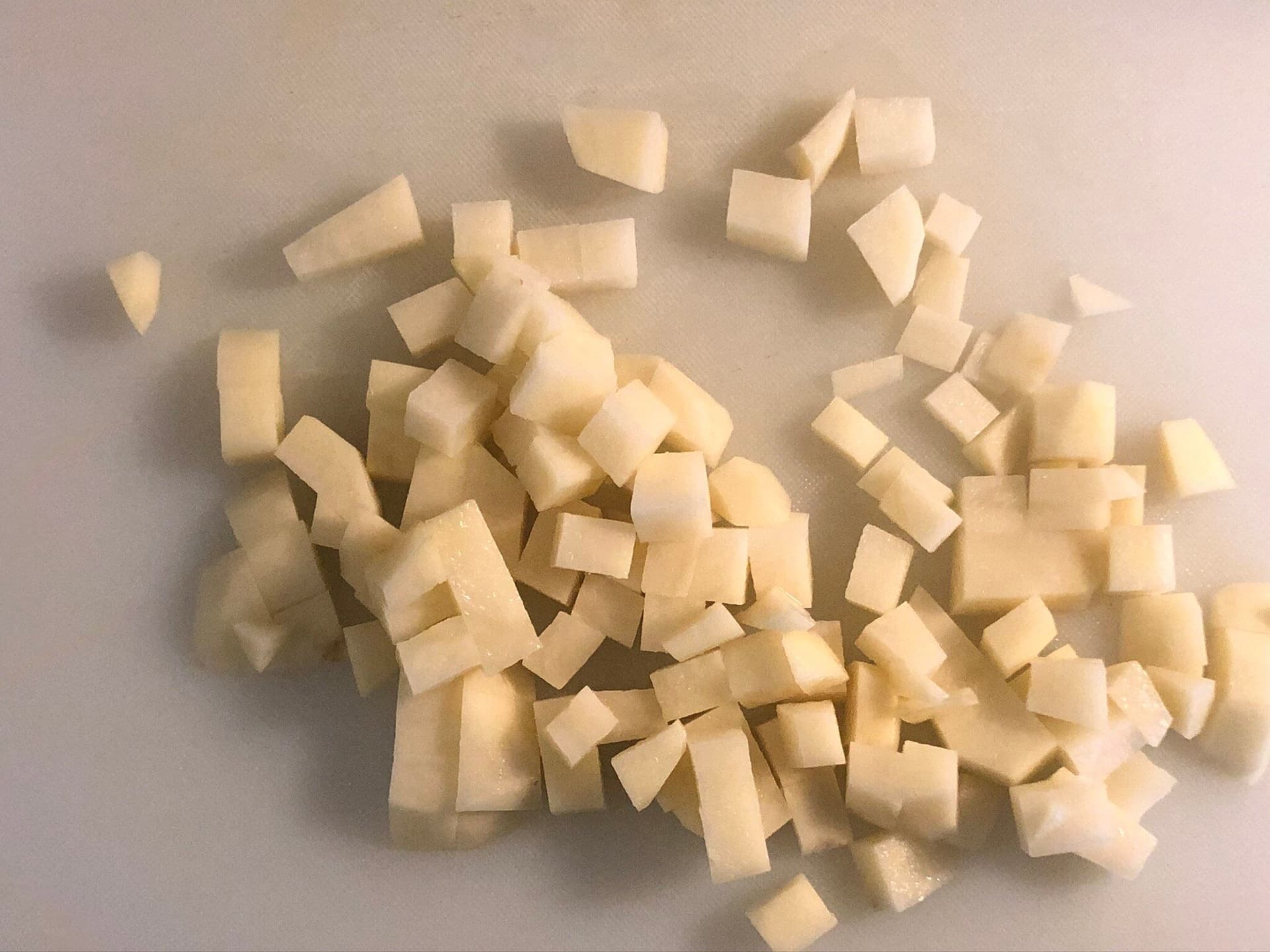

Rinse your potatoes.

Heat oil in a pan on medium heat. When the oil is hot, add the cumin seeds, hing and dried Kashmiri red chilies. Cook until the cumin seeds become a reddish brown.

Then add your potatoes and mix well.


Cover the pan and cook until the potatoes are crispy on both sides. This will take about 5 minutes.

In the meanwhile, wash the poha 5 to 6 times under cold running water until the water runs clear.


Then drain the water and let the poha sit. Chop your onions in the meanwhile.
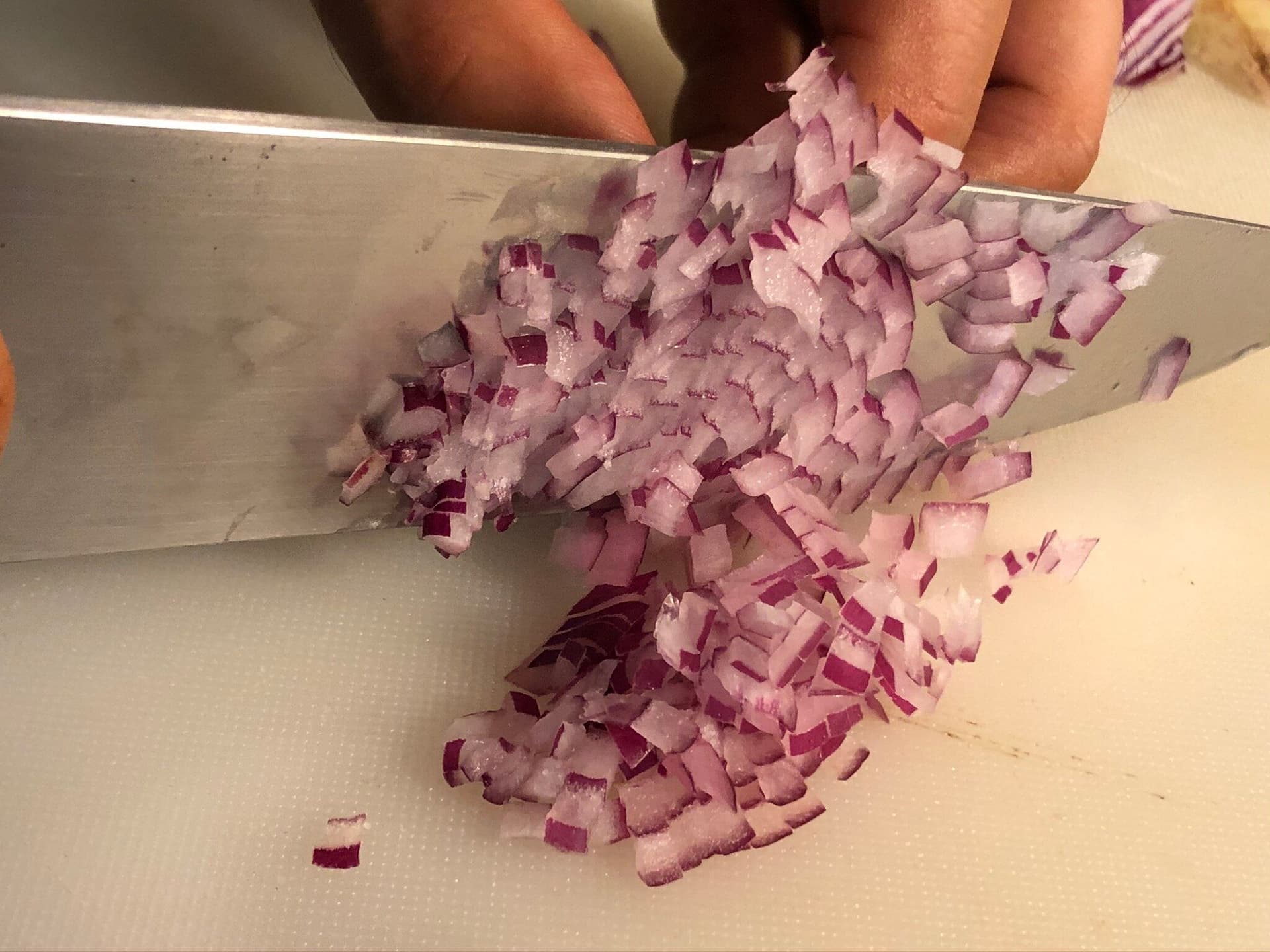
After 5 minutes, take the lid off the pan and stir well. Put the lid back on and cook for 2-3 minutes.

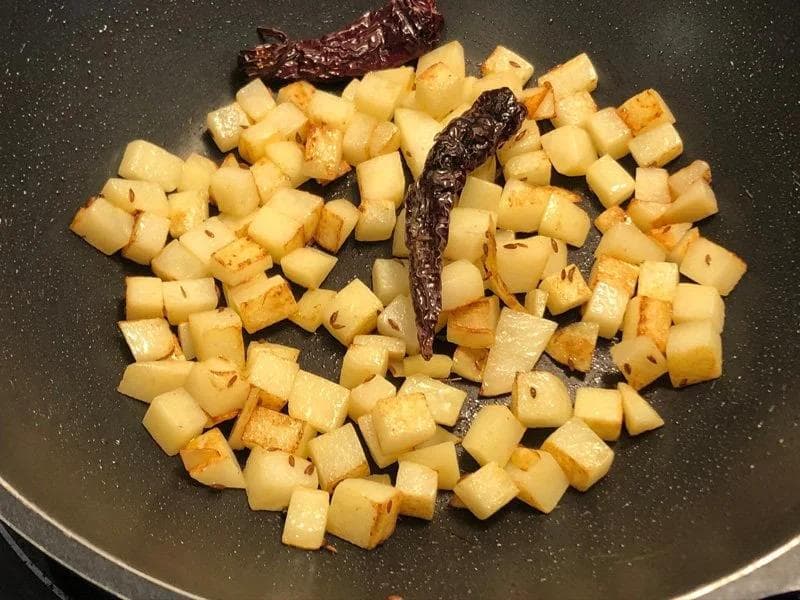
Remove the lid from the pan. Add the onions and turn the heat down to medium-low (if using fresh peas, add them now with the onions). Cook for 1-2 minutes.


Add turmeric and 1/2 tsp salt, mix well and cook covered for 5 minutes.


Add the frozen peas to the pan. Cook uncovered for 3-4 mins or until the potatoes are soft.


By this point, the poha should have puffed up.

Add the poha to the pan. Season with salt and mix well.


Add in the fresh cilantro for garnish and a squeeze of lime juice. Cook for 2-3 minutes or until the poha is warmed through. Adjust for seasoning according to your taste.


Serve hot and enjoy!

Make It Your Own!
Poha is so versatile, you can almost use it like rice or noodles. So pick your favorite veggies, spices and make this dish your own. My suggestion will include carrots, scallions, dried Kashmiri red chilies.
Frequently Asked Questions
How do I keep poha from getting mushy?▼
The secret is in the rinse: wash the poha 5–6 times under cold running water until the water runs clear, then drain it well and let it sit. This softens it just enough without turning it to mush — don’t leave it soaking in standing water.
How long does poha take to make?▼
It’s a quick breakfast — about 25 minutes total, with just 5 minutes of prep. Most of the time is gently cooking the potatoes until soft.
Is poha vegetarian, and can I make it vegan?▼
It’s naturally vegetarian, and easy to make vegan — just use oil instead of ghee (the recipe gives both options). Everything else, from the potatoes and peas to the flattened rice, is already plant-based.
What do you serve with poha?▼
Poha is great on its own for breakfast, finished with fresh cilantro and a squeeze of lime. It’s lovely with a hot cup of chai, and some people add a sprinkle of sev or roasted peanuts on top for crunch.
Buying and Washing Poha (Flattened Rice)
Poha is flattened rice: rice that has been parboiled, rolled flat and dried. You will find it in any Indian grocery store labelled poha, pohe or simply rice flakes, and it comes in thick and thin grades. This recipe wants the thick kind. Thin poha collapses the moment it meets water and turns to paste, which is why it is used for chivda and other dry snack mixes rather than for cooking.
Washing is the step that decides everything else. Rinse the 2 cups of poha 5 to 6 times under cold running water until the water runs clear, then let the water drain completely and leave the flakes to sit while the potatoes cook. That short rest is what lets them absorb the moisture evenly and puff up. Add wet poha straight to the pan and you get clumps. If it has gone the other way and feels dry, a couple of pinches of water flicked over the top will bring it back. Squeeze a flake between finger and thumb as a taste test: it should give softly without smearing. Use only a little water at a time, because dryness is easy to fix and sogginess is not.
North Indian Poha vs Maharashtrian Kanda Poha
If you have eaten poha in Maharashtra or Indore, this one will look different, and that is the point. Kanda poha, or kande pohe in Marathi, where kanda simply means onion, is built on a tempering of mustard seeds and curry leaves with crunchy peanuts fried in the oil, then finished with grated coconut and raw onions. Indori poha goes further still, adding sev and a scattering of pomegranate seeds on top, which puts it closer to a street snack than a breakfast plate.
This North Indian version leans on potato instead. The tempering is 1/2 tsp of cumin seeds, a pinch of hing and 2 dried Kashmiri red chilies in 1 tbsp of ghee. There are no mustard seeds, no curry leaves, no peanuts and no coconut anywhere in it. If you would rather cook it the Maharashtrian way, start with a teaspoon mustard seeds and wait for them to pop before anything else goes in, add curry leaves and slit green chilies alongside them, and leave the potato out. Both versions are correct. They are simply different dishes wearing the same name.
Heat, Timing and Getting the Texture Right
Everything starts on medium heat. One tablespoon oil or ghee, then the cumin seeds, hing and dried chilies, and you wait for the cumin to turn a reddish brown. That is the flavorful base the rest of the dish sits on, and rushing it over high heat scorches the cumin rather than toasting it. The diced potato follows and cooks covered for about 5 minutes until crisp on both sides, then another 2 to 3 minutes after a stir.
When the onion goes in, turn the heat down to medium-low. Cooking it over low heat is deliberate, because a quarter of an onion treated gently sweetens instead of browning, and the turmeric that follows needs a full 5 covered minutes with 1/2 tsp of salt to cook through without catching. A reasonable rule of thumb is that nothing here should be going golden brown except the potatoes. The poha itself needs only 2 to 3 minutes at the very end, just long enough to warm through. Sprinkle it in, fold rather than stir hard, and finish with cilantro and a squeeze of fresh lemon juice or lime. Cabbage, carrots or whatever vegetables need using up can go in alongside the peas.
Is Poha a Good Indian Breakfast?
Poha is a staple Indian breakfast across the north and west of the country for good reason. It is quick, it is filling, and it is naturally free of gluten, since flattened rice is nothing but rice. Nutritionally it is mostly carbohydrates, which is exactly what makes it good morning food. The 1 cup of peas is where most of the protein and fiber comes from, and the potato contributes potassium along with a little vitamin C. Sodium is entirely in your hands here, because the salt is added to taste rather than measured out.
Serve it hot with chai, which is how it is eaten almost everywhere it is made. A bowl of plain yogurt alongside rounds the meal out and covers the calcium the dish itself does not offer. If you want more crunch, a scattering of roasted peanuts at the table is the easiest thing to borrow from the Maharashtrian version. It scales well too: this makes 4 servings in about 25 minutes start to finish, which is why it earns a permanent spot among our Indian breakfast recipes.
Let me know what you think of this recipe in the comments! If you’ve tried this recipe, be sure to post it on social media and tag it with #cookingwithanadi and mention me @cooking.with.anadi. Thank you!
Recipe by Anadi Misra
Fluffy flattened rice tossed with ginger-spiced potatoes and peas, North Indian Poha makes a satisfying, quick brunch. A simple, flavorful recipe ready in minutes.
Stovetop
Rate this recipe ✦
5 min
Prep
20 min
Cook
25 min
Total
4
servings
easy
Level
Ingredients
Ingredients
Tap any quantity to scale
- (15 ml) ghee · make your ownShop →
- yellow potato(cut into 1/3 inch dice)
- dried red chiliesShop →
- (1 g) cumin seedsShop →
- hingShop →
- onion(finely diced)
- (1 g) turmericShop →
- (130 g) peas(fresh or frozen)
- (260 g) poha (flattened rice) · make your ownShop →
- (4 g) cilantro(finely chopped, for garnish)
- (15 ml) lime juice(for garnish)
- salt(to taste)Shop →
Instructions
- 1
Begin by peeling and chopping your potatoes. Then, rinse them.
Begin by peeling and chopping your potatoes. Then, rinse them.
- 2
Heat oil in a pan on medium heat. When the oil is hot, add the cumin seeds, hing and dried Kashmiri red chilies. Cook until the cumin seeds become a reddish brown. Then add your potatoes and mix well. Cover the pan and cook until the potatoes are crispy on both sides. This will take about 5 minutes.
Heat oil in a pan on medium heat. When the oil is hot, add the cumin seeds, hing and dried Kashmiri red chilies. Cook until the cumin seeds become a reddish brown. Then add your potatoes and mix well. Cover the pan and cook until the potatoes are crispy on both sides. This will take about 5 minutes.
Learn the technique - 3
In the meanwhile, wash the poha 5 to 6 times under cold running water until the water runs clear. Then drain the water and let the poha sit. Chop your onions in the meanwhile.
In the meanwhile, wash the poha 5 to 6 times under cold running water until the water runs clear. Then drain the water and let the poha sit. Chop your onions in the meanwhile.
- 4
After 5 minutes, take the lid off the pan and stir well. Put the lid back on and cook for 2-3 minutes.
After 5 minutes, take the lid off the pan and stir well. Put the lid back on and cook for 2-3 minutes.
- 5
Remove the lid from the pan. Add the onions and turn the heat down to medium-low (if using fresh peas, add them now with the onions). Cook for 1-2 minutes. Add turmeric and ½ tsp salt, mix well and cook covered for 5 minutes.
Remove the lid from the pan. Add the onions and turn the heat down to medium-low (if using fresh peas, add them now with the onions). Cook for 1-2 minutes. Add turmeric and ½ tsp salt, mix well and cook covered for 5 minutes.
- 6
Add the frozen peas to the pan. Cook uncovered for 3-4 minutes or until the potatoes are soft. By this point, the poha should have puffed up.
Add the frozen peas to the pan. Cook uncovered for 3-4 minutes or until the potatoes are soft. By this point, the poha should have puffed up.
- 7
Add the poha to the pan. Season with salt and mix well. Add in the fresh cilantro for garnish and a squeeze of lime juice. Cook for 2-3 minutes or until the poha is warmed through. Adjust salt for seasoning according to your taste. Serve hot and enjoy!
Add the poha to the pan. Season with salt and mix well. Add in the fresh cilantro for garnish and a squeeze of lime juice. Cook for 2-3 minutes or until the poha is warmed through. Adjust salt for seasoning according to your taste. Serve hot and enjoy!
Did you make this recipe? Tag @cooking.with.anadi on Instagram and hashtag it #cookingwithanadi

Tested & written in Anadi’s kitchen
Recipe history
- April 16, 2026 — Reworked and refreshed for the 2026 relaunch — new photography, restructured and standardized ingredients & instructions.
Filed under
You might also like
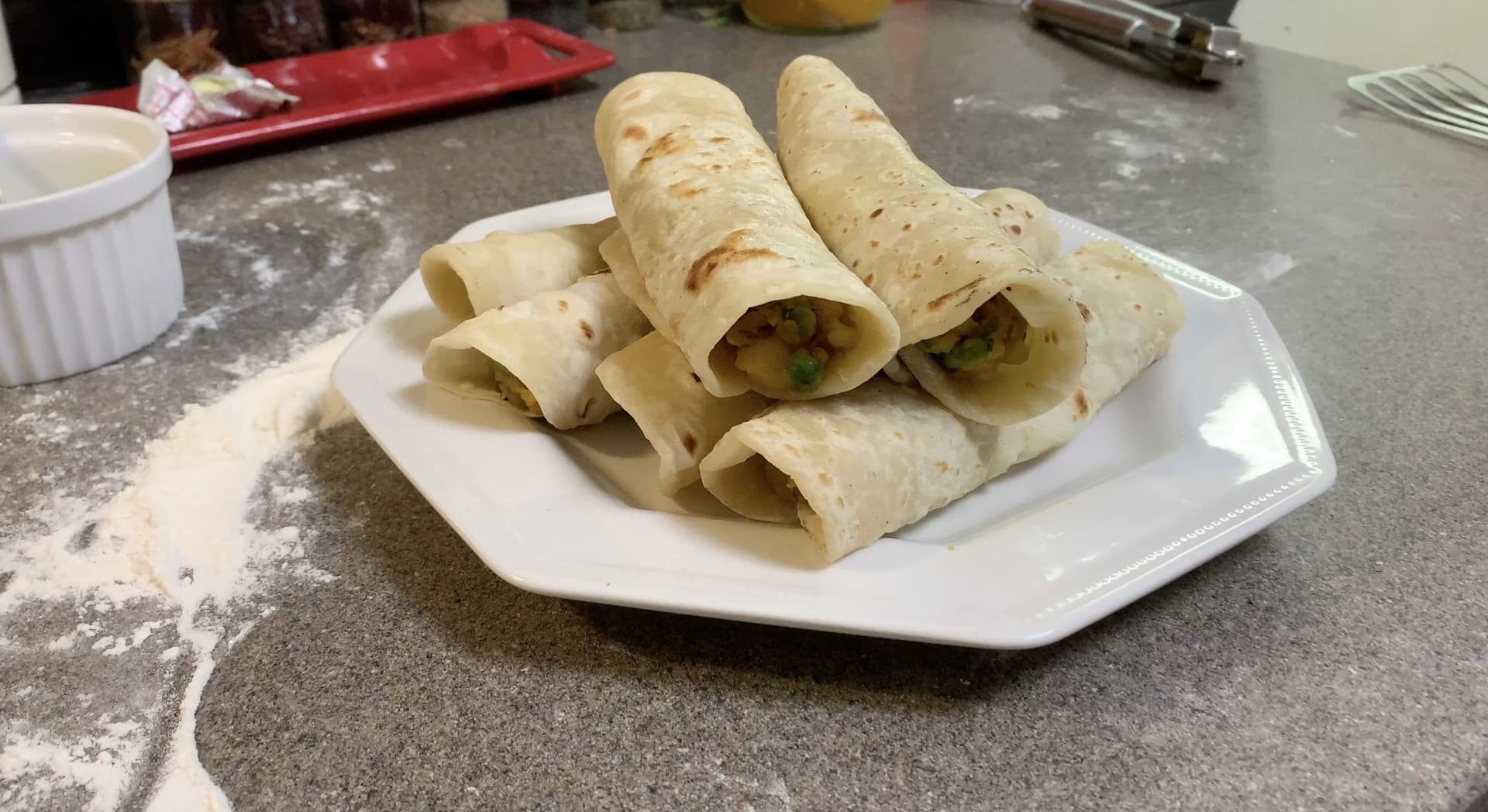
Delicious North Indian Potato Wrap Recipe
Crispy, spiced and utterly satisfying, this authentic North Indian Potato Wrap makes the perfect homemade brunch. Packed with bold flavors, it is a vegetarian recipe the whole family will love.

Easy Vegan South Indian Rava Upma Recipe
Make this easy vegan South Indian Rava Upma for a quick, satisfying breakfast. Fluffy semolina, fresh curry leaves, and bold spices come together in one simple, delicious dish.
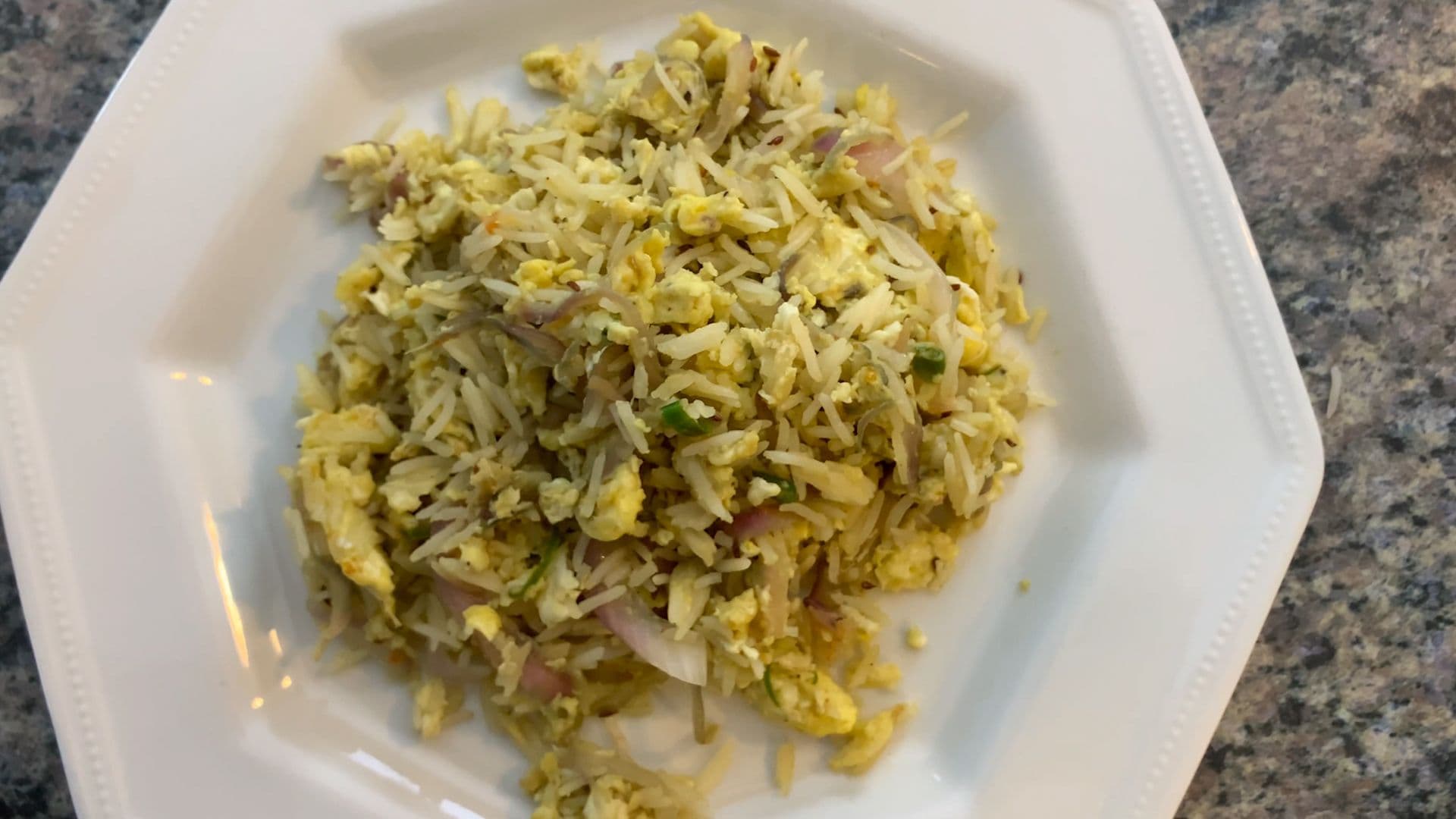
Quick & Delicious Indian Egg Fried Rice Recipe
Quick, spicy, and packed with flavor, this Indian Egg Fried Rice is the perfect homemade meal for brunch or lunch. Ready in minutes with simple ingredients you already have at home.

Super Easy Indian Masala Cheese Toast Recipe
Crispy, cheesy and packed with spice, this Indian Masala Cheese Toast is the ultimate easy breakfast. Ready in minutes with simple ingredients you already have at home.

Sabudana Khichdi Recipe - Indian Tapioca & Potato Fry
Crispy, golden Sabudana Khichdi made with tapioca pearls and potatoes. A classic Indian vegetarian breakfast that is satisfying, flavorful, and surprisingly easy to make at home.

Egg Bhurji Recipe | Spicy Masala Egg Scramble
Egg Bhurji is a spicy Indian scrambled egg masala made with onions, tomatoes, and bold spices. Quick, flavorful, and perfect stuffed in a wrap for a satisfying lunch.


Comments
No comments yet — be the first to share your thoughts!
Leave a review
Be the first to share how it went — your note helps other cooks (and earns the recipe its stars).