


This post may contain affiliate links. Read our disclosure policy
Watch the recipe
Cooking With Anadi
12K subscribers · tapioca pearls and potatoes, crispy and golden, fasting food
What Is This Khichdi with Sabudana Recipe?
This is a stir fry made with tapioca pearls (sabudana), potatoes, and peanuts.
I used to call this dish “sabudana poha” because it’s almost exactly like my North Indian Poha recipe, we’re just replacing the poha (flattened rice) with the sabudana, and we’re omitting most of the spices, onions, and peas! The essence of the red chili, ghee, cumin seeds, and crispy potatoes remain in the two recipes. I only found out now that it’s actually referred to as “khichdi” hehe.
This khichdi is a common dish prepared during the Navratri fasting season. If you don’t know, Navratri is a festival celebrated in the Hindu religion. Navratri translates to “nine nights”, and in this period lasting ten days, the 9 forms of the Mother Goddess are worshipped in India. Navratri is celebrated twice a year, and at the time of writing this, the next celebration will take place from October 9th to October 15th. The celebration varies slightly across India’s various regions, but the core celebration is for the “divine feminine.” For more information about the Navratri festival, refer to this article. While there are many festivals and celebrations that take place, this is also a time for fasting and to omit specific foods in one’s diet.
During this time, there are some quite strict rules to what you can and cannot eat. For instance, a huge no-no is any non-vegetarian food. Furthermore, you can’t have legumes such as lentils, peas and chickpeas, nor can you have certain vegetables such as onions or garlic. Additionally, you cannot have grains including rice, rice flour, all-purpose flour, semolina, chickpea flour, corn and corn flour. Oats, flaxseeds, and chia seeds are off limits. For a full list of foods permitted and to be avoided during Navratri, refer to this list.
Phew, so what’s left, you’re wondering? Well, potatoes are thankfully safe, and you’d better believe that they’re widely consumed during this time! Have you ever heard the saying that you could live off potatoes alone? I’m not totally sure how true that is, but don’t discount the benefits of a yellow potato! They’re satiating and carb-dense, giving you the energy you need for your day! Additionally, sabudana is on the permitted list. Sabudana or tapioca is excellent to consume during this time because they’re like potatoes in the sense that they act as fast-acting energy, kind of like a chewable Gatorade! Furthermore, sabudana acts as a fantastic substitute for rice or flour, so you can change your recipes to replace those grains with sabudana. Keep in mind that on its own sabudana is pretty bland and boring. However, you can find so many ways to spice it up and make it absolutely delicious!
Let me know if you’d like to see more sabudana recipes! In the meanwhile, I also have a Sabudana Aloo Tikki recipe if you’re looking for a snack. These are crispy tapioca and potato cutlets! They’re very crispy and so delicious!
To be honest, I’ve never actually had this when my mom was fasting. She did make the tikkis for us (even when it wasn’t fasting time, it’s just a good snack!), but otherwise she would just eat fruits and nuts when she fasted. I was curious to see what fasting foods are so I could share some recipes for those of you looking for delicious options and to not feeling hungry! This is also a healthy alternative to the tikkis since there’s no deep frying involved here.
However, you don’t need to be fasting to enjoy this sabudana recipe! In fact, in some ways I almost find it better than the poha version! I just love the soft and spongy tapioca pearls in here! While it requires some advanced planning to take into account the soaking time for your sabudana, once that’s all taken care of this dish is so quick to make with minimal ingredients! I’d have it any time for a satisfying breakfast or lunch!
Feeling hungry? Then let’s get to the recipe!
How long to soak sabudana?▼
Soak your sabudana for at least three hours or as long is it takes for the tapioca to be completely soft if you press it. Then drain the excess water and let it rest for another hour. If you don’t soak it for long enough, it will be hard and chewy when you cook it.
Tips for a Foolproof Khichdi with Sabudana
- Soak your sabudana until it is soft enough that when you pinch it, it smashes completely.
- Roasting the peanuts while crispening the potatoes will save you some time.
- Lower the heat once you add the sabudana to ensure they remain soft and fluffy.
Tools Needed
Ingredients
Let’s go over what you’ll need to make a delicious khichdi! Don’t forget that the FULL PRINTABLE RECIPE CARD is available at the bottom of this post!
- Sabudana: Also known as tapioca pearls. You can find it at your local South Asian or Indian grocery store, or purchase from Amazon here.
- Ghee: We’ll use a little bit here to cook our ingredients.
- Potatoes: I’m using Yukon gold yellow potatoes. If you don’t have these, you could also use white potatoes, but keep in mind the flavor will be slightly different. Potatoes are another popular Navratri fasting food option, and this will add some body to our stir fry. I’ve cut my potatoes into 1/3 inch-sized cubes.
- Spices: We’re only going to use chopped ginger, cumin seeds, and dried red chilies. If you don’t have dried red chilies, then feel free to use slit green chilies.
- Peanuts: I think peanuts are used in any variation of this recipe! I know my mom always used them in hers! These will be roasted with our potatoes.
- Rock salt: When fasting, you cook with sendha namak (rock salt) instead of table salt. I recommend Himalayan pink salt, and you can get it from Amazon here. Season your dish to taste.
- Lemon or lime juice: To taste, for some freshness and to finish the dish.
- Freshly chopped cilantro: For garnish.
Questions You May Have
Can we further season our khichdi?▼
Yes! If you’re not making this for a fast, then seasoning your khichdi with hing, turmeric, and ground coriander would be excellent here!
Can I add onions and peas to the khichdi?▼
Again, if you’re not fasting, then those would be excellent vegetables to your khichdi! They will add great flavors, and the peas will add a nice crunch and sweetness to your khichdi.
Is This Recipe Gluten-Free?▼
Yes, it is! All the ingredients here do not contain any gluten, so this is indeed a gluten-free dish!
How can I make This Vegan?▼
The only dairy ingredient used in this recipe is the ghee used to cook our dish. To make this recipe vegan, simply substitute the ghee with your favorite plant-based cooking oil. I recommend using olive oil, coconut oil, or peanut oil.
How to Make Sabudana Khichdi
- Rinse sabudana with cold running water and add enough water in a bowl to cover. Let rest for at least 3 hours, or up to a max of 5-6 hours.
- Drain the sabudana completely using a sieve and leave the tapioca in the sieve, over a large bowl to allow it to drain completely about 1-2 hours.
- Heat non-stick pan on medium heat and add ghee. Once ghee is hot, add cumin seeds and chilies and cook for 2-3 minutes. Add potatoes and mix well. Cook for 5-6 minutes, or until potatoes turn golden brown. Cover, lower heat and cook until potatoes are tender, about 6-8 minutes. Stir from time to time.
- Add peanuts and increase heat to medium to make potatoes crispy and roast the peanuts - about 3-4 minutes. Add sabudana and toss well. Garnish with cilantro and lemon juice and season to taste. Serve hot and enjoy!
Getting the Sabudana Texture Right
The whole dish turns on how you treat the pearls, and that work happens before any heat. Rinse the sabudana under cold running water first. That washes off the excess starch clinging to the outside of the pearls, which is exactly what turns a batch gluey once it hits the pan. Then put your half cup of sabudana in a bowl with just enough water to cover, and leave it for at least 3 hours, up to a maximum of 5 to 6 hours. Longer is not better here.
Pinch a pearl to test it. It should smash completely between your fingers with no hard white center left in the middle. Then drain the whole lot through a sieve or colander and leave it sitting in the sieve over a large bowl for another 1 to 2 hours so the last of the water runs off. Draining properly is the difference between separate, spongy pearls and one sticky mixture. When the soaked sabudana finally goes into the pan, lower the heat, because high heat at that stage is what makes the pearls chewy instead of soft.
Sabudana, Sago and Buying the Right Pearls
Sabudana and tapioca pearls are the same thing, made from cassava root starch. Small pearl sago is the closest swap, with an identical texture and the same starch behavior, so if that is what your shop stocks you can use it at the same quantity. What matters more than the name on the packet is the size. This recipe is written for the small pearls, and larger ones need a longer soak and behave differently once they hit the ghee. On quality of sabudana, look for pearls that are uniform in size and chalk white rather than yellowed or dusty.
What This Sabudana Khichdi Is Not
A lot of what makes this version simple is what has been left out, and all of it is deliberate.
- No onions and no garlic. Both are off the permitted list during Navratri, so they are missing on purpose rather than by accident.
- No curry leaves. Plenty of versions finish with a curry leaf tadka. This one does not, because the only aromatics are cumin seeds and dried red chilies bloomed in ghee, and that is the entire tempering.
- No mortar and pestle. The peanuts go in whole, about a tablespoon of them, and get roasted alongside the potatoes for 3 to 4 minutes. Nothing is crushed or ground at any point.
- No deep frying, and this is not sabudana vada. Vadas are patties dropped into hot oil. This is a stovetop stir fry made with half a tablespoon to a tablespoon of ghee, which is why it is the lighter of the two.
- No wok and no kadai needed. A mixing bowl, a strainer, a nonstick pan and a wooden spoon is the whole equipment list.
- No added sugar, and no coconut in the dish itself.
What to Serve With Sabudana Khichdi
It stands up as a plate on its own. The recipe makes 2 servings and works out to 389 calories each, with 78g carbohydrates, 5g protein, 8g fat, 5g fiber and 5g sugar per serving. Sodium comes in at just 10mg, and that is because there is no salt in the pot until you put it there: you season with sendha namak to taste right at the end, so the number is entirely in your hands.
If you do want something alongside, coconut chutney is the classic partner and its richness cuts through all that starch nicely. A spoonful of plain yogurt does much the same job. And an extra squeeze of lemon or lime at the table is never wrong with this one.
Sabudana Khichdi Ratios, Measurements and Consistency
A few numbers people always ask about. The working ratio is half a cup of sabudana to 2 medium potatoes cut into 1/3 inch cubes, and that makes 2 servings, so if you are scaling up scale both together rather than just the pearls. Everything else is measured in tablespoons: half a tablespoon to a tablespoon of ghee, a quarter tablespoon of cumin seeds and a tablespoon of peanuts. The sendha namak and the lemon or lime juice are both to taste, so there is no number on those.
There is no fixed number of cups water for the soak either, and that is deliberate. You add just enough to sit above the pearls, and then you drain all of it away again, so measuring it precisely buys you nothing. The consistency you are aiming for at the end is loose and separate, with the potatoes crisp at their edges and the pearls soft but still holding their own shape. If it comes out as one sticky mass, the pearls either went into the pan still wet or the heat was too high once they got there.
Let me know what you think of this recipe in the comments! If you’ve tried this recipe, be sure to post it on social media and tag it with #cookingwithanadi and mention me @cooking.with.anadi. Thank you!
Recipe by Anadi Misra
Crispy, golden Sabudana Khichdi made with tapioca pearls and potatoes. A classic Indian vegetarian breakfast that is satisfying, flavorful, and surprisingly easy to make at home.
Stovetop
Rate this recipe ✦
3 hr
Prep
20 min
Cook
3 hr 20 min
Total
2
servings
medium
Level
Ingredients
Ingredients
Tap any quantity to scale
- (65 g) sabudana/tapioca pearlsShop →
- medium potatoes (1/3 inch cubed) · make your own
- (7.5 ml) ghee · make your ownShop →
- (2 g) cumin seedsShop →
- dried red chiliesShop →
- (8 g) peanutsShop →
- sendha namak(to taste)Shop →
- coriander(for garnish)Shop →
- lemon or lime juice(to taste)
Instructions
- 1
Rinse sabudana with cold running water and add enough water in a bowl to cover. Let rest for at least 3 hours, or up to a max of 5-6 hours.
Rinse sabudana with cold running water and add enough water in a bowl to cover. Let rest for at least 3 hours, or up to a max of 5-6 hours.
- 2
Drain the sabudana completely using a sieve and leave the tapioca in the sieve, over a large bowl to allow it to drain completely about 1-2 hours.
Drain the sabudana completely using a sieve and leave the tapioca in the sieve, over a large bowl to allow it to drain completely about 1-2 hours.
- 3
Heat non-stick pan on medium heat and add ghee. Once ghee is hot, add cumin seeds and chilies and cook for 2-3 minutes. Add potatoes and mix well. Cook for 5-6 minutes, or until potatoes turn golden brown. Cover, lower heat and cook until potatoes are tender, about 6-8 minutes. Stir from time to time.
Heat non-stick pan on medium heat and add ghee. Once ghee is hot, add cumin seeds and chilies and cook for 2-3 minutes. Add potatoes and mix well. Cook for 5-6 minutes, or until potatoes turn golden brown. Cover, lower heat and cook until potatoes are tender, about 6-8 minutes. Stir from time to time.
- 4
Add peanuts and increase heat to medium to make potatoes crispy and roast the peanuts - about 3-4 minutes. Add sabudana and toss well. Garnish with cilantro and lemon juice and season to taste. Serve hot and enjoy!
Add peanuts and increase heat to medium to make potatoes crispy and roast the peanuts - about 3-4 minutes. Add sabudana and toss well. Garnish with cilantro and lemon juice and season to taste. Serve hot and enjoy!
Did you make this recipe? Tag @cooking.with.anadi on Instagram and hashtag it #cookingwithanadi

Tested & written in Anadi’s kitchen
Recipe history
- April 16, 2026 — Reworked and refreshed for the 2026 relaunch — new photography, restructured and standardized ingredients & instructions.
Filed under
You might also like

North Indian Poha Recipe - Flattened Rice with Potatoes
Fluffy flattened rice tossed with ginger-spiced potatoes and peas, North Indian Poha makes a satisfying, quick brunch. A simple, flavorful recipe ready in minutes.
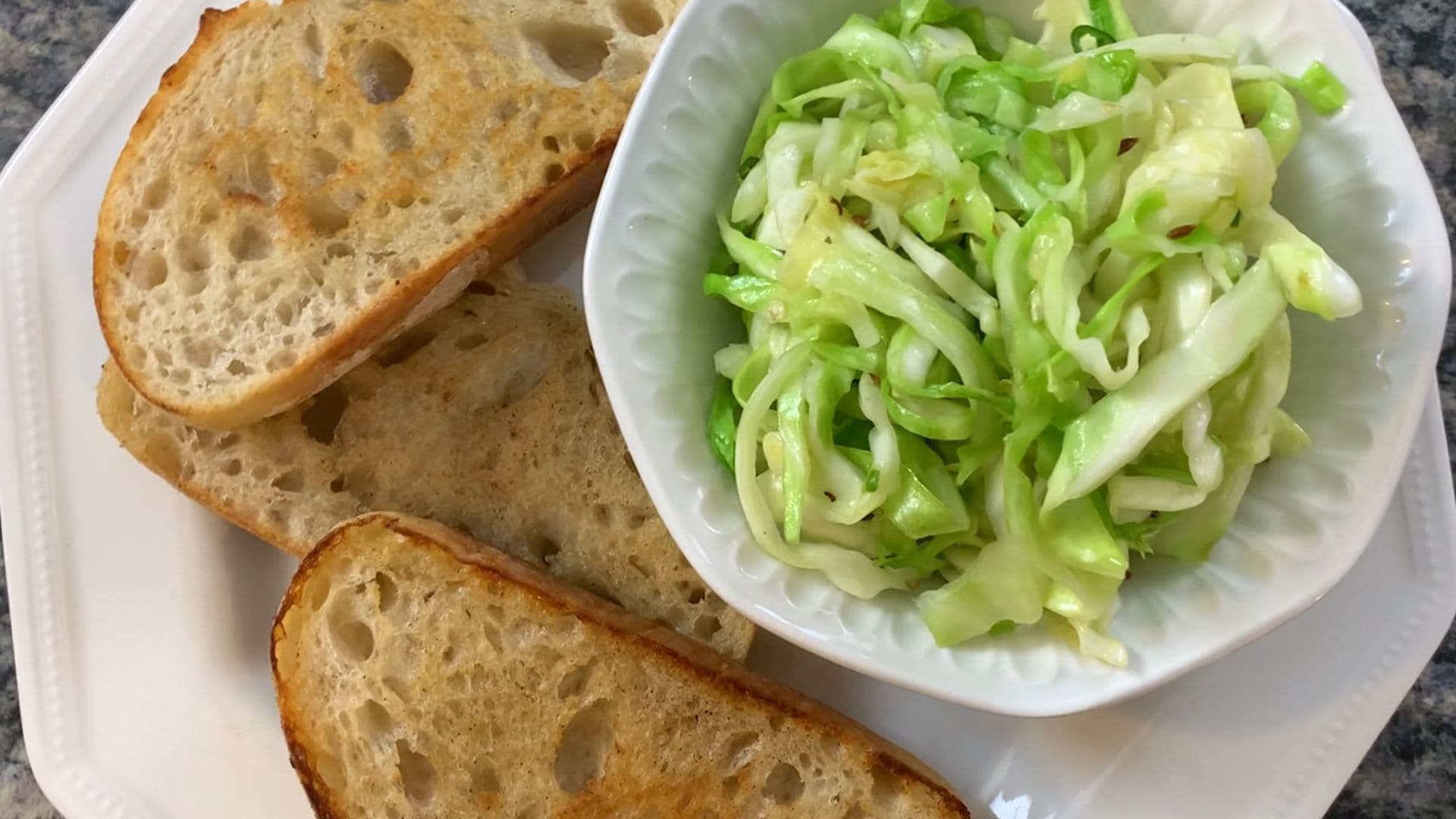
Indian Cabbage Stir Fried Toast (Pathgobhi Toast)
Crispy, flavorful, and ready in minutes! Indian Cabbage Stir Fried Toast (Pathgobhi Toast) is an easy breakfast packed with spiced sauteed cabbage piled on golden toast. A must-try morning meal!
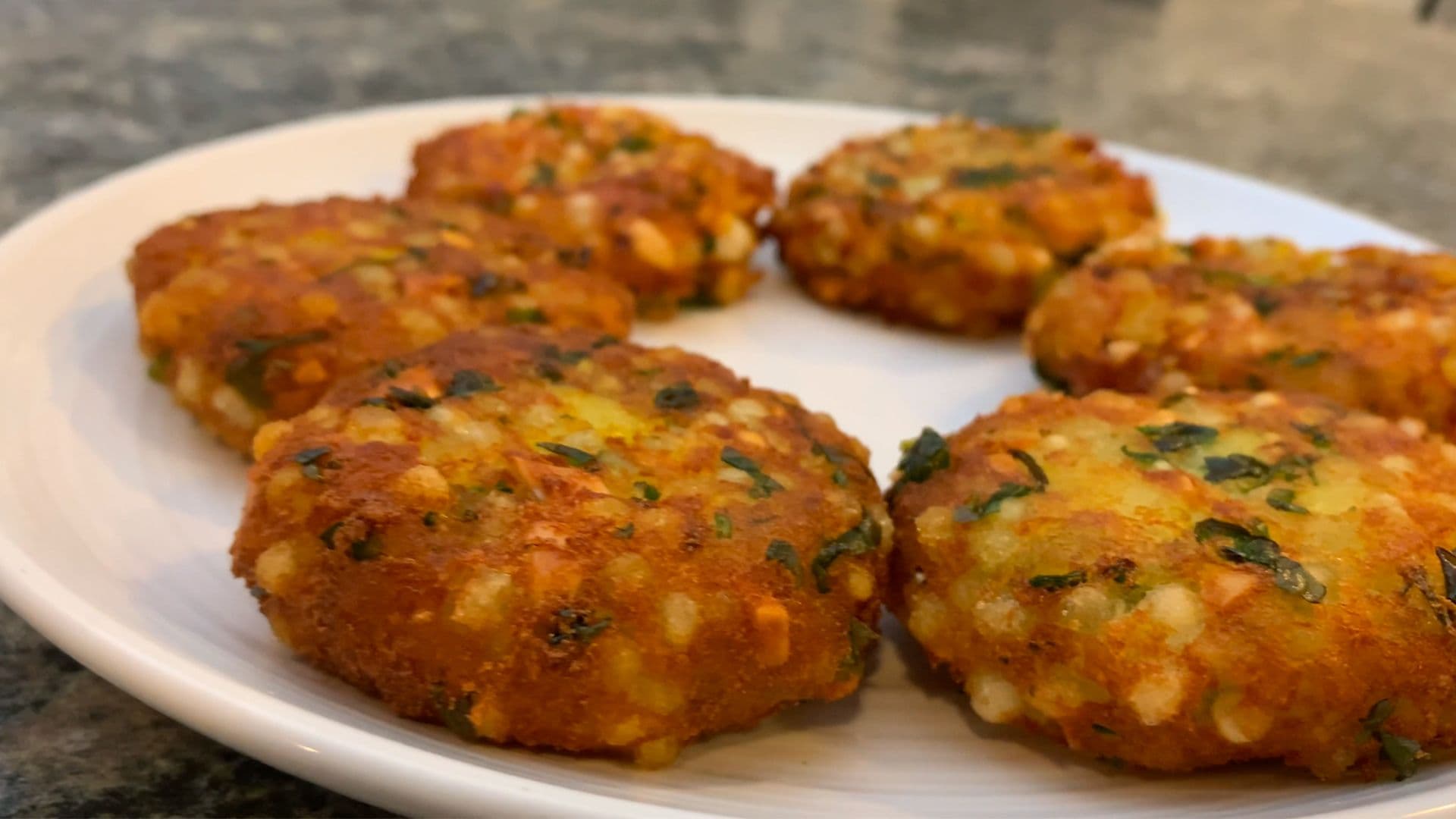
Sabudana Aloo Tikki - Tapioca & Potato Cutlets
Crispy, golden Sabudana Aloo Tikki made with tapioca and potatoes. This easy Indian cutlet recipe is simple, healthy, and perfect for lunch or dinner. A crowd-pleasing snack you will love.

Easy Vegan South Indian Rava Upma Recipe
Make this easy vegan South Indian Rava Upma for a quick, satisfying breakfast. Fluffy semolina, fresh curry leaves, and bold spices come together in one simple, delicious dish.

Creamy Sabudana Kheer Recipe - Indian Tapioca Pudding
Creamy, dreamy Sabudana Kheer made easy! This classic Indian tapioca pudding is rich, milky, and ready in minutes. Perfect for dessert or a light, satisfying treat any time of day.
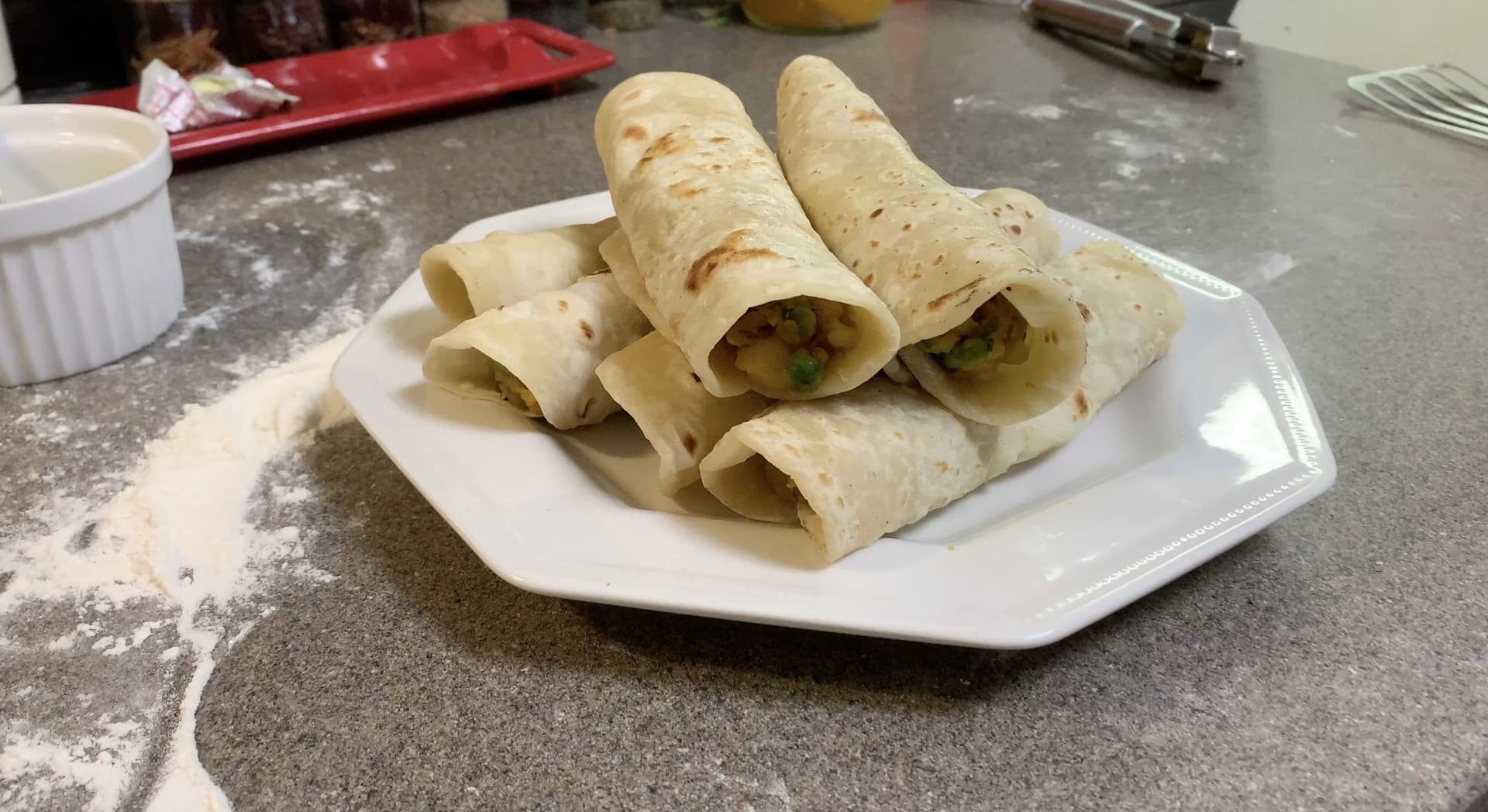
Delicious North Indian Potato Wrap Recipe
Crispy, spiced and utterly satisfying, this authentic North Indian Potato Wrap makes the perfect homemade brunch. Packed with bold flavors, it is a vegetarian recipe the whole family will love.


Comments
No comments yet — be the first to share your thoughts!
Leave a review
Be the first to share how it went — your note helps other cooks (and earns the recipe its stars).