


This post may contain affiliate links. Read our disclosure policy
Watch the recipe
Cooking With Anadi
12K subscribers · saucy noodles with seared chicken, ginger, garlic, heat
Hakka noodles are all the rage in India lately! At the time of writing this, I had recently just returned from India, and I had the opportunity to have some delicious hakka noodles for the first time! They were so good, and they really disappeared from the table quickly!
After returning home, my sister FaceTimed me and she was eating a delicious bowl of hakka noodles for dinner. She claimed they were so good and judging from the plate I seriously believed her! I said “Okay, I’m totally gonna make this tomorrow!” So I did exactly that, and if you follow me on Instagram, then you saw from my reel that it turned out amazing! It was so good that I ate two giant portions, and I was ready to record the recipe the next day! I just had to eat that deliciousness again! Are you like that when you discover something new that’s so delicious? Well, I hope you’ll feel that you can’t get enough of these hakka chicken noodles and crave more hehe!
To be fair I don’t eat or cook much Indo-Chinese food, but I really should do more! As I mention in my 5 Tips To Make Cooking Fun! - my ultimate free guide to expand your creativity in the kitchen and get motivated to create some deliciousness! - exploring a new cuisine is an awesome way to spark new meal options and learn new skills! After dipping my feet with this Hakka Noodles recipe, I really need to have more Indo-Chinese! If Indo-Chinese cooking is new to you too, then you totally wanna give this a try, and you can use this recipe as part of your Live to Cook one month challenge that you’ll receive if you sign up for my weekly newsletter!
The video will guide you through exactly how to get everything prepped and how to assemble this fantastic Chicken Hakka Noodles recipe! Please subscribe to me on YouTube if you haven’t already and hit the bell icon so you receive all the notifications of when my video recipes go live! With something as hands-on as this dish, I find that having a video recipe to complement the written one will give you a full picture of exactly what’s going on! Let’s get cooking!

About Chicken Hakka Noodles
This is an Indo-Chinese dish that is very popular street-side and in restaurants. The dish takes from the roots of Chinese stir fries with a protein source and veggies, and making a light sauce using soy sauce, sesame oil, chili garlic sauce, and vinegar. The main difference between traditional Chinese stir fries and this variation is… the noodles!
Hakka noodles are actually a type of noodle that were created by the Hakka immigrants from Central and Northern China to North India. Hakka noodles are made with wheat flour, eggs, oil, and sesame seeds, and they are cooked in boiling water until al dente, then they’re added to veggies and protein. Ching’s hakka noodles are quite popular. Furthermore, hakka noodles are prepared drier, whereas other Chinese stir fries have a thicker savory gravy or brothy soup. Finally, we have the Indian essence because these noodles pack on the heat Indian style! Don’t be intimidated though - you can tone it down if spice isn’t your strong suit! This recipe just turned out quite spicy!
Why Make This Chicken Hakka Noodle Recipe?
You’ll want to add this Indian chicken noodles recipe to your weekly rotation! There are plenty of reasons why this is a perfect meal to make on any occasion!
- Full of veggies: We’re loading up on our veggies here! It’s a delicious way to get in the veg, especially for your little ones! Kids can’t resist a good noodle dish! Furthermore, if you’ve got extra produce, you can customize the veggies so you can finish up whatever’s in your fridge - no waste is our motto here! Let me know in the comments what veggies you’ve added to your Hakka Noodles!
- Protein-packed: Chicken is an excellent source of protein. We’re creating a balanced meal by having lots of fiber and vitamins from the veggies, protein, and carbohydrates from the noodles, so you’ve got a satisfying and nutritious meal. If you don’t want chicken, you can add any other protein of your choice.
- Quick to make: The longest part of this recipe is just cutting up your veggies and getting the ingredients prepped. Once it’s actually time to get cooking, the actual process just flies by!
- (almost) a one-pot meal: Everything except the noodles cook in one pot, so you won’t have much clean-up after!
- Can be made in advance: Check out the bottom of this post to see instructions on how to store your Hakka Noodles and how to reheat! This is great to meal prep or just make your dinner in advance. Just a warning - both times I made this recipe I had the intention of making an extra portion for lunch the next day, but it was so good I couldn’t help myself from eating it all - it was so good! However, take it from my sister who has batch-cooked this that it still is just as delicious for lunch the next day! Furthermore, if you have some extra cooked chicken, you can save some time by adding the cooked chicken in after the veggies have cooked.

Tools to Make Hakka Noodles
The best 2 tools you can use to make an amazing stir fry of any kind is a wok and a gas stovetop. I love this Zwilling wok first and foremost because it’s massive! This will give you plenty of space to sauté your veggies and protein and to add in the noodles, so nothing is crowded. There’s another version of this with a long handle making tossing easier so there’s that.
Tips for the Best Hakka Noodles
- Prepare all of the ingredients for the dish before you begin cooking.
- Even though this is an Indo-Chinese dish, we follow the shape rule of Chinese cooking - basically, cut everything in a similar shape. For this dish, we will cut everything to strips (veggies) and slivers (chicken).
- Sesame oil is so flavorful that I used it for the entire dish. But you can use soybean oil, rapeseed oil or even Indian mustard seed oil for stir frying the veggies and protein and then finish with Sesame oil for added sheen and flavor.
Tools Needed
Ingredients
Let’s review the ingredients we’ll need to make our Indo-Chinese noodles! Remember to scroll to the bottom of this post for the FULL PRINTABLE recipe card, with all ingredients and their quantities. The recipe card is great because it’ll also scale all quantities for you automatically based on how many portions you want to make - no calculations on your part!
Noodles: I’m actually not using the hakka noodles mentioned above! I couldn’t get my hands on them, so I substituted with thin egg noodles. They did the job just fine! Feel free to use any thin noodle of your choice, such as ramen noodles, or if you want to have a whole wheat option, you can use soba noodles. However, the authentic choice would be hakka noodles!
Vegetables: I’ll be using poblano pepper, red onion, and carrots, which will be thinly sliced.
Oil: I’ll be sautéing my chicken and veggies in sesame oil. You can use any oil with a high smoke point you’d like, but sesame oil adds a great flavor and it’s authentic to Chinese cooking. If using an alternative, I recommend peanut oil or vegetable oil.
Green chilies: Omit if you’re sensitive to spice, but the heat from the green chilies really give this dish the Indian flair and add some awesome heat!
Sauces: We’ll be adding soy sauce, rice vinegar and chili garlic sauce. These sauces work together to add a nice sweetness and flavor with a touch of spice.
Ginger & garlic: Adds some fragrance to the dish.
Chicken: I’m using boneless, skinless chicken breast that’s thinly sliced. You can use boneless, skinless chicken thighs if you want or only have dark meat on hand. Keep in mind chicken thighs have a different cook time than chicken breast.
Spices: Salt and pepper is all we need!
How to Make Hakka Noodles with Chicken
Bring a large pot of water to a boil for the noodles and once the water comes to a boil, add about 1 Tbsp of salt. In the meanwhile, ensure all other raw ingredients are prepared.

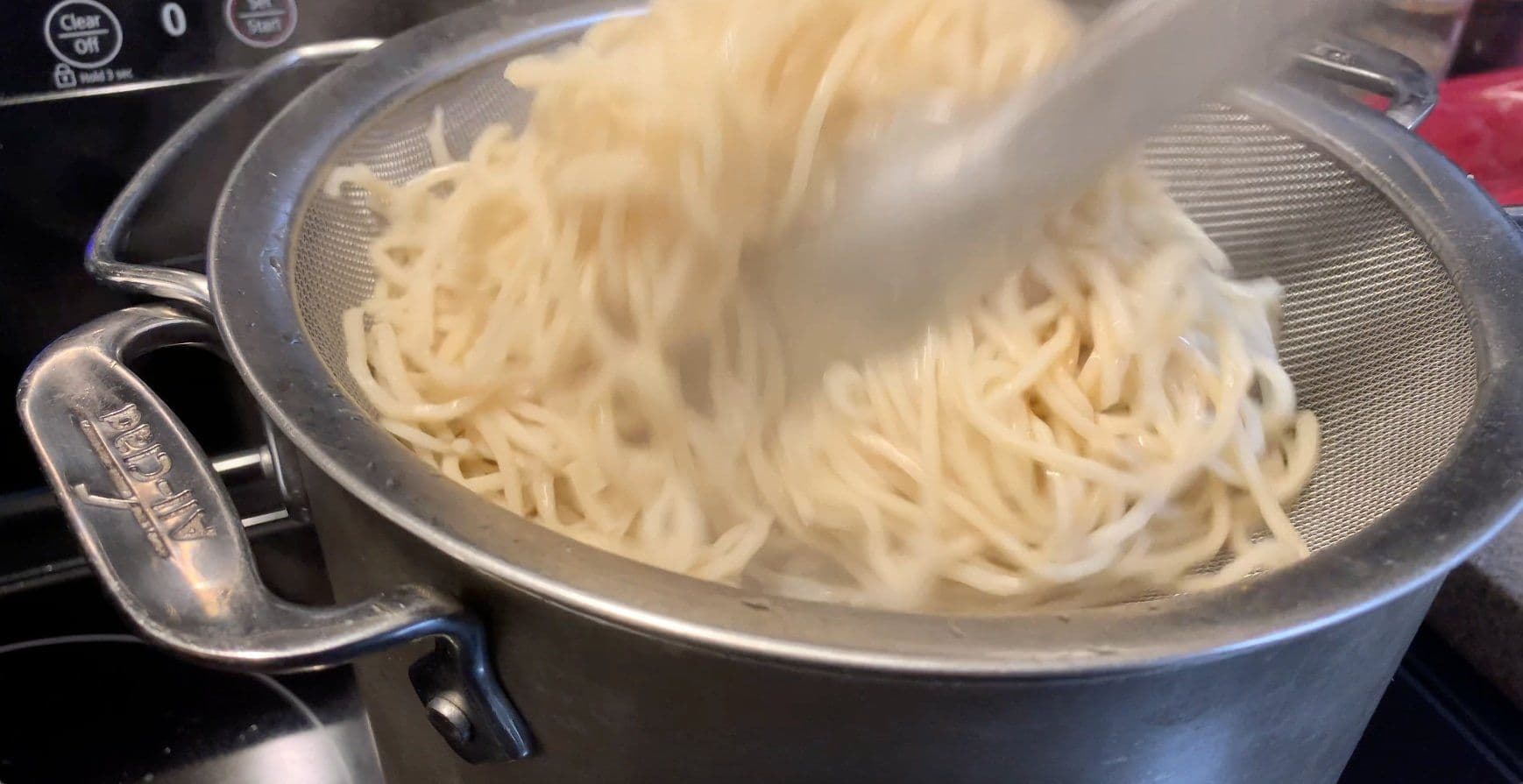
Once the water has come up to a boil, add the noodles and cook for 4-6 minutes, or as per package directions. When the noodles are done, strain and coat them with 1-2 tsp of sesame oil.


Heat a wok or large pan on medium high heat and add the sesame oil.

Once hot, add the garlic and sauté for 30 seconds. Add the sliced chicken and toss the chicken well with the oil and garlic. Season with salt and pepper.


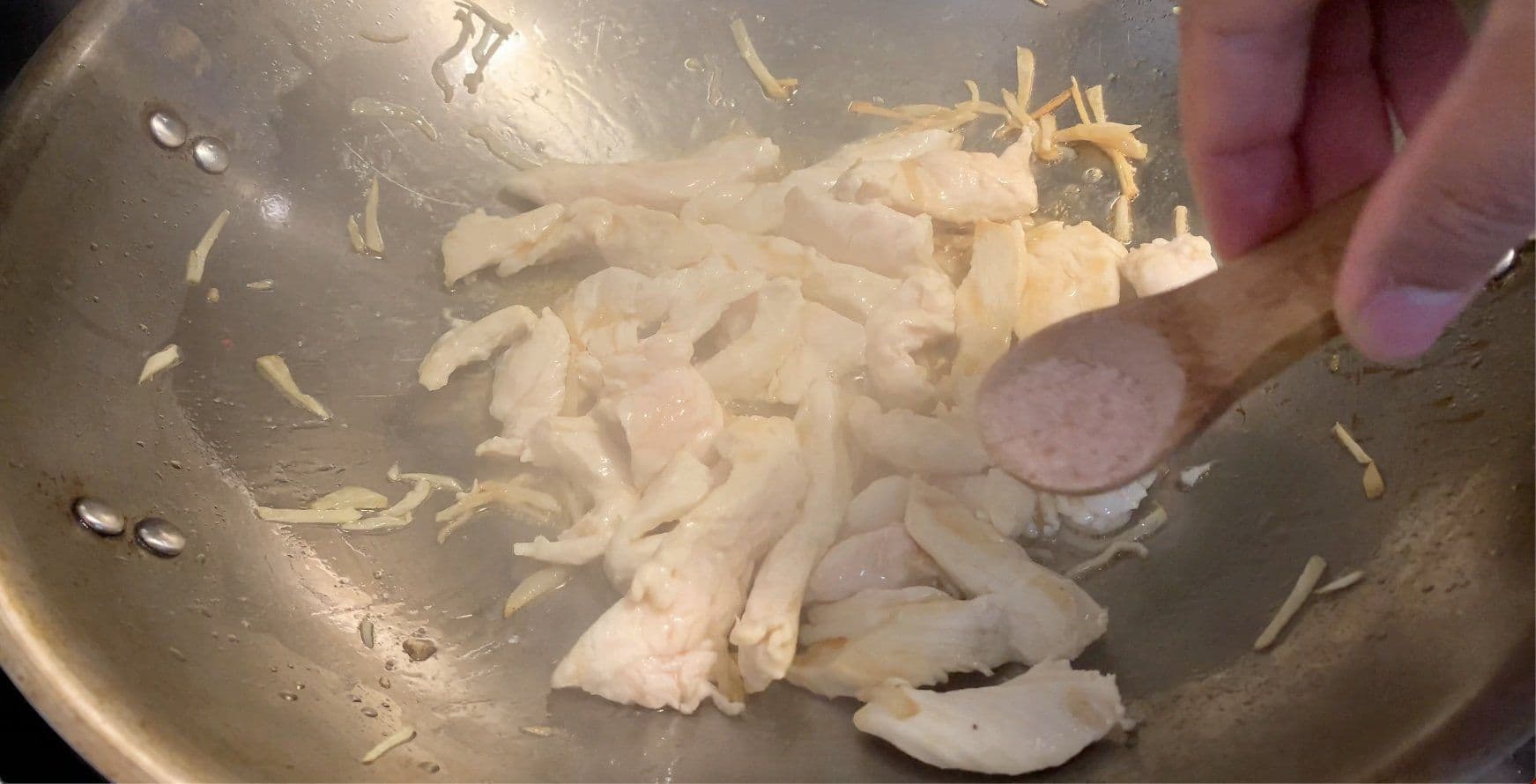


Spread the chicken on the pan so that it is in a single layer. Sear the chicken until it is lightly golden brown and the garlic is roasted. To prevent the garlic from burning, make sure to stir the chicken and garlic every minute or so.


Then add the remaining veggies, onions, peppers, carrots and ginger. Toss well to coat the veggies with the oil. If you notice any browning on the pan, add a little splash of water to prevent it from burning.


Season with a small pinch of salt to help cook the veggies. Cook until the veggies are done halfway. They should have a shine still have some of their crispness.
Add the soy sauce, chili garlic sauce and rice vinegar. Mix well.


Add the cooked noodles to the wok/pan and toss well to combine. Be gentle if using tongs while tossing to prevent the noodles from breaking. Alternatively, you can toss the pan and wok to combine the noodles with the rest of the ingredients.


Taste and adjust seasoning as needed. Serve hot right away.

Variations of Hakka Noodles
You can really customize this recipe to your liking. For instance, you can switch up the protein. I’m using chicken, but if you want to use beef - such as stir fry strips - or pork - such as pork tenderloin - or even seafood then go ahead! When I first had this, I thought that some shrimp would be amazing here! For vegetarian protein options, you can use eggs, paneer, or tofu. You could also do egg and another protein source for even more body and tastiness! However, keep in mind that if you’re switching up the protein that you will have to account for different cooking times.
Additionally, feel free to use the veggies of your choice. For example, I used a poblano pepper, but you could use a combination of green and red pepper. Other veggies that would be delicious in this dish include: You could also use jalapeños instead of green chilies, or even use Thai red chilies! Furthermore, I feel some button mushrooms could add even more body and add a nice nuttiness to your noodles. The options are endless, and no matter what you do, you’ll get a healthy and tasty meal!
Storing Leftover Hakka Noodles
You can store leftover noodles in an airtight container in the fridge for about 2 days. Because we have chicken, we need to be careful that the chicken dries out. I would recommend you reheat in the microwave for about 2 minutes, stirring halfway through to ensure the noodles, veggies and chicken are all completely warmed through.
Other Street Food Recipes
Frequently Asked Questions
What are hakka noodles?▼
Hakka noodles are thin, springy Indo-Chinese-style noodles tossed in a savory, slightly smoky sauce with vegetables — and here, chicken. If you can’t find them, thin egg noodles work just as well in this recipe.
How long does it take to make chicken hakka noodles?▼
It’s quick — about 40 minutes total, with around 25 minutes of prep (mostly slicing everything thinly) and just 15 minutes of cooking. Like any good stir-fry, having everything sliced and ready before you start the wok makes it come together fast.
Can I make hakka noodles vegetarian?▼
Yes — leave out the chicken and add extra veggies, or toss in tofu or paneer. The flavor comes from the sauce (soy sauce, chili garlic sauce, rice vinegar, ginger and garlic), so it’s just as delicious meat-free.
Why do my hakka noodles turn out sticky or mushy?▼
Two things help: cook the noodles only until just done (4–6 minutes here), then strain and cool them so they stop cooking, and toss them with a little sesame oil so they don’t clump. Stir-fry over medium-high heat and toss gently so the noodles don’t break.
Getting the Noodles Right
Start the water before anything else and bring it to a proper rolling boil, then add about a tablespoon of salt. The noodles go in for 4 to 6 minutes, or whatever the packet says - they want to be just done, because they are about to spend more time in the wok. Drain them the moment they are ready. This recipe strains them and tosses them straight away with 1 to 2 teaspoons of sesame oil, which is what stops them clumping into a solid block while you cook everything else. If you are prepping well ahead, a quick rinse under cold water stops the cooking dead and does the same job, though you will still want the oil afterwards.
Cutting the Vegetables, and What to Swap In
The one rule worth following here comes straight from Chinese cooking: cut everything to a similar shape. In practice that means thin strips for the vegetables and slivers for the chicken, so nothing is still raw while something else has gone soft. A cup each of thinly sliced onion and carrot and a cup of thinly sliced poblano is what this version uses. Poblano is a mild capsicum, and in most Indian kitchens capsicum is exactly the slot it fills - so green bell peppers, or a mix of green and red bell peppers, drop straight in without changing anything.
Past that the vegetable list is genuinely open. Shredded green cabbage is the most common addition in restaurant versions and needs almost no cooking. Spring onions work in two parts: the whites in with the onion, the green parts scattered over at the end. French beans, snow peas or button mushrooms are all fine here too. Just keep everything cut the same way, add it at the same stage, and do not crowd the wok - the vegetables are meant to stay shiny and crisp, not stew.
The Sauce, and Why the Chicken Is Not Marinated
Three things make the sauce: 2 tablespoons of soy sauce, 1 tablespoon of chili garlic sauce and 1 1/2 tablespoons of rice vinegar, all added once the vegetables are about halfway cooked. If you do not have chili garlic sauce, a red chili sauce or sriracha will get you close - start with less than the recipe calls for and taste, because heat levels vary enormously between brands. White vinegar can stand in for the rice vinegar as well; use slightly less of it, since it is sharper.
You will notice there is no marinated chicken in this recipe, and that is deliberate. The breast is cut into thin slivers and goes into a hot wok with the garlic for a matter of minutes, so a marinade has no time to do anything except keep the chicken from browning. Season it with a little salt and pepper as it sears, get some real color on it, and let the sauce do the rest at the end.
Wok Heat, Oil and Getting a Real Sear on the Chicken
A stir fry is won or lost on heat. A light wok is easier to toss one-handed and it comes back up to temperature the second you add something cold, which is exactly what you want here; a heavy pan holds heat beautifully but you end up stewing the vegetables in it. Get it properly hot before anything goes in. Pat the chicken slivers dry with paper towels first, because wet chicken steams instead of searing and you will not get the golden color the recipe asks for. Give the garlic its 30 seconds to saute, then lay the chicken out in a single layer for about three to four minutes, stirring every minute or so, so the garlic toasts rather than burns. Season with a little salt and black pepper powder while it cooks rather than at the end. The vegetables then need only two to three minutes; they should still have some crispness and a shine to them when the sauces go in.
One note on oil. Sesame oil carries the whole dish here, but toasted sesame oil has a low smoke point, so if your wok runs very hot you can stir fry in a tablespoon of vegetable oil and keep the sesame oil for the end, where it does the most for flavor and sheen anyway. And if the pan starts to catch, you do not need cups of water to rescue it. A splash is enough to lift the browning off the bottom and it evaporates in seconds. One naming note as well: the spring onions mentioned above are sold as scallions across North America, and the split is the same either way, with the scallion whites going in early alongside the onion and the scallion greens scattered over at the very end. A dash of hot sauce at the table is fair game too if the chili garlic sauce you used turned out to be a mild one. Chili chicken, chow mein and the other Chinese dishes on an Indo-Chinese menu all lean on the same three sauces, so once you have this one down the rest of those Chinese recipes follow easily.
Let me know what you think of this recipe in the comments! If you’ve tried this recipe, be sure to post it on social media and tag it with #cookingwithanadi and mention me @cooking.with.anadi. Thank you!
Recipe by Anadi Misra
Make restaurant-style Indo-Chinese Chicken Hakka Noodles at home! Quick, bold, and packed with flavor, this easy recipe delivers smoky, saucy noodles the whole family will love.
Stovetop
Rate this recipe ✦
25 min
Prep
15 min
Cook
40 min
Total
2
servings
medium
Level
Ingredients
Ingredients
Tap any quantity to scale
- (250 grams) hakka noodlesShop →
- small chicken breast(thinly sliced at a diagonal)
- (160 g) onions(thinly sliced)
- (130 g) carrots(thinly sliced)
- (120 g) thinly sliced poblano pepper(thinly sliced)
- green chilies(thinly sliced, optional)
- (8 g) ginger(thinly sliced)
- (8 g) garlic(thinly sliced)
- (30 ml) sesame oil(plus 1-2 tsp reserved for noodles)Shop →
- (30 ml) soy sauceShop →
- (15 ml) chili garlic sauceShop →
- (22.5 ml) rice vinegarShop →
- salt(to taste)Shop →
- pepper(to taste)Shop →
Instructions
- 1
Bring a large pot of water to a boil for the noodles and once the water comes to a boil, add about 1 tbsp of salt. In the meantime, ensure all other raw ingredients are prepared.
Bring a large pot of water to a boil for the noodles and once the water comes to a boil, add about 1 tbsp of salt. In the meantime, ensure all other raw ingredients are prepared.
- 2
Once the water has come up to a boil, add the noodles and cook for 4-6 minutes, or as per package directions. When the noodles are done, strain and coat them with 1–2 tsp of sesame oil.
Once the water has come up to a boil, add the noodles and cook for 4-6 minutes, or as per package directions. When the noodles are done, strain and coat them with 1–2 tsp of sesame oil.
- 3
Heat a wok or large pan on medium high heat and add the sesame oil. Once hot, add the garlic and sauté for 30 seconds. Add the sliced chicken and toss the chicken well with the oil and garlic. Season with salt and pepper.
Heat a wok or large pan on medium high heat and add the sesame oil. Once hot, add the garlic and sauté for 30 seconds. Add the sliced chicken and toss the chicken well with the oil and garlic. Season with salt and pepper.
- 4
Spread the chicken on the pan so that it is in a single layer. Sear the chicken until it is lightly golden brown and the garlic is roasted. To prevent the garlic from burning, make sure to stir the chicken and garlic every minute or so.
Spread the chicken on the pan so that it is in a single layer. Sear the chicken until it is lightly golden brown and the garlic is roasted. To prevent the garlic from burning, make sure to stir the chicken and garlic every minute or so.
- 5
Then add the remaining veggies, onions, peppers, carrots and ginger. Toss well to coat the veggies with the oil. If you notice any browning on the pan, add a little splash of water to prevent it from burning.
Then add the remaining veggies, onions, peppers, carrots and ginger. Toss well to coat the veggies with the oil. If you notice any browning on the pan, add a little splash of water to prevent it from burning.
- 6
Season with a small pinch of salt to help cook the veggies. Cook until the veggies are done halfway. They should have a shine and still have some of their crispness.
Season with a small pinch of salt to help cook the veggies. Cook until the veggies are done halfway. They should have a shine and still have some of their crispness.
- 7
Add the soy sauce, chili garlic sauce and rice vinegar. Mix well.
Add the soy sauce, chili garlic sauce and rice vinegar. Mix well.
- 8
Add the cooked noodles to the wok/pan and toss well to combine. Be gentle if using tongs while tossing to prevent the noodles from breaking. Alternatively, you can toss the pan and wok to combine the noodles with the rest of the ingredients.
Add the cooked noodles to the wok/pan and toss well to combine. Be gentle if using tongs while tossing to prevent the noodles from breaking. Alternatively, you can toss the pan and wok to combine the noodles with the rest of the ingredients.
- 9
Taste and adjust seasoning as needed. Serve hot immediately.
Taste and adjust seasoning as needed. Serve hot immediately.
Did you make this recipe? Tag @cooking.with.anadi on Instagram and hashtag it #cookingwithanadi

Tested & written in Anadi’s kitchen
Recipe history
- April 16, 2026 — Reworked and refreshed for the 2026 relaunch — new photography, restructured and standardized ingredients & instructions.
Filed under
Part of
You might also like
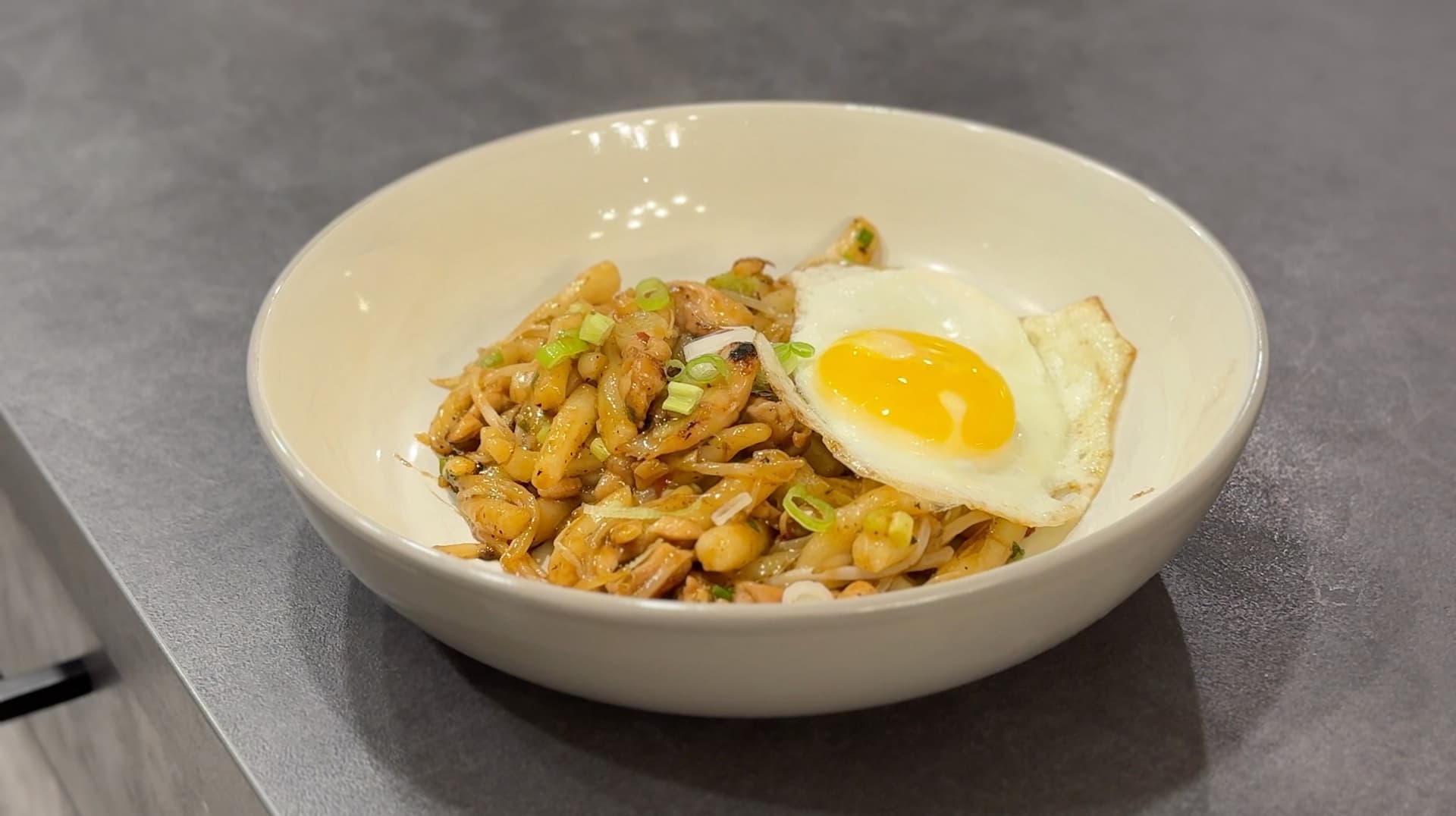
Lort Cha Noodles (Cambodian Pin Noodle Stir-Fry)
Make authentic Lort Cha noodles at home! This Cambodian thin noodle stir-fry is quick, savory, and packed with bold flavor. A simple weeknight dinner the whole family will love.
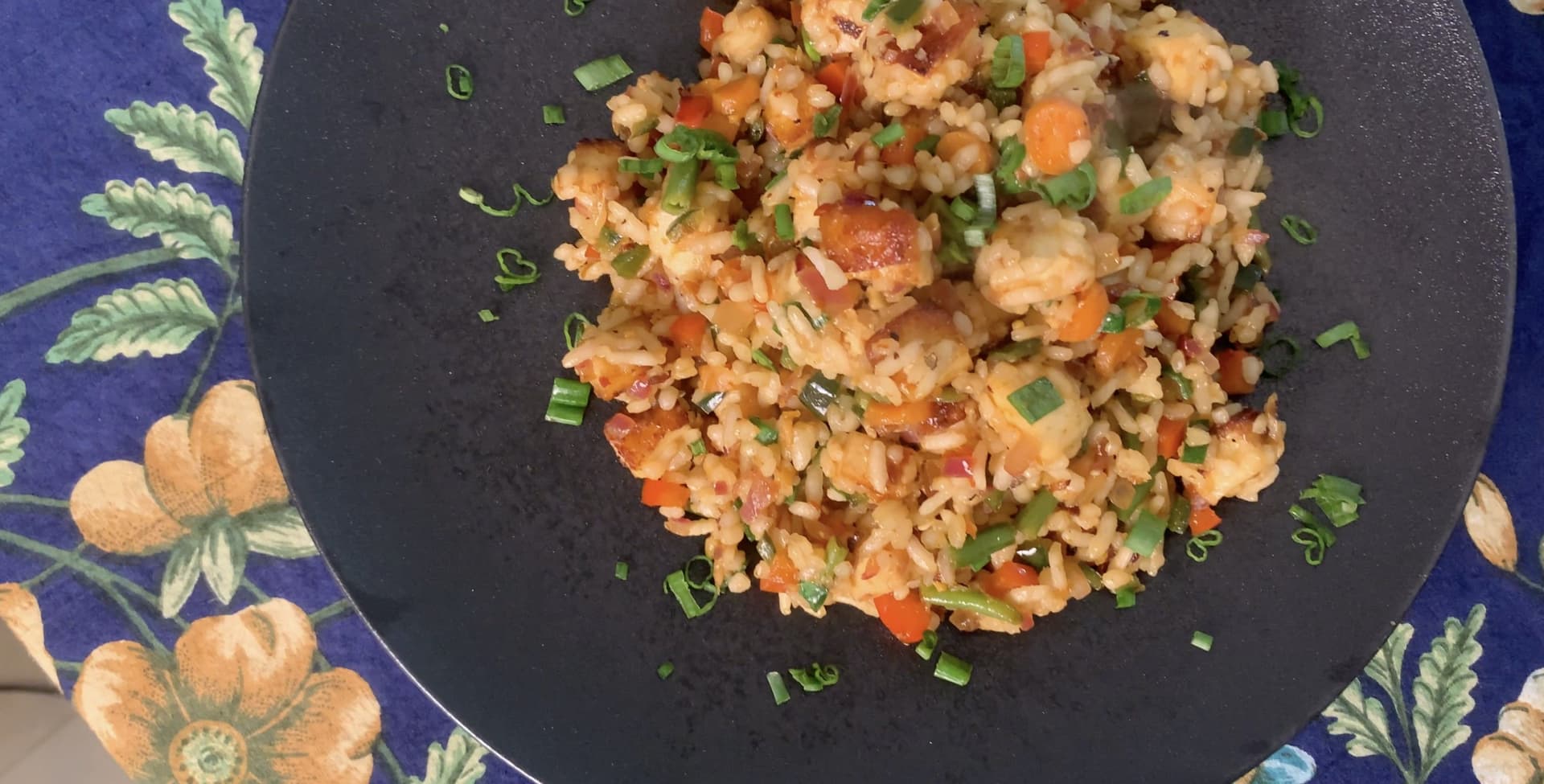
Discover the Perfect Fusion: Spicy Paneer Fried Rice
Spicy Paneer Fried Rice blends bold Indian flavors with Asian technique for a quick, satisfying vegetarian dinner. Crispy paneer meets fragrant spiced rice in one irresistible fusion dish you will love.
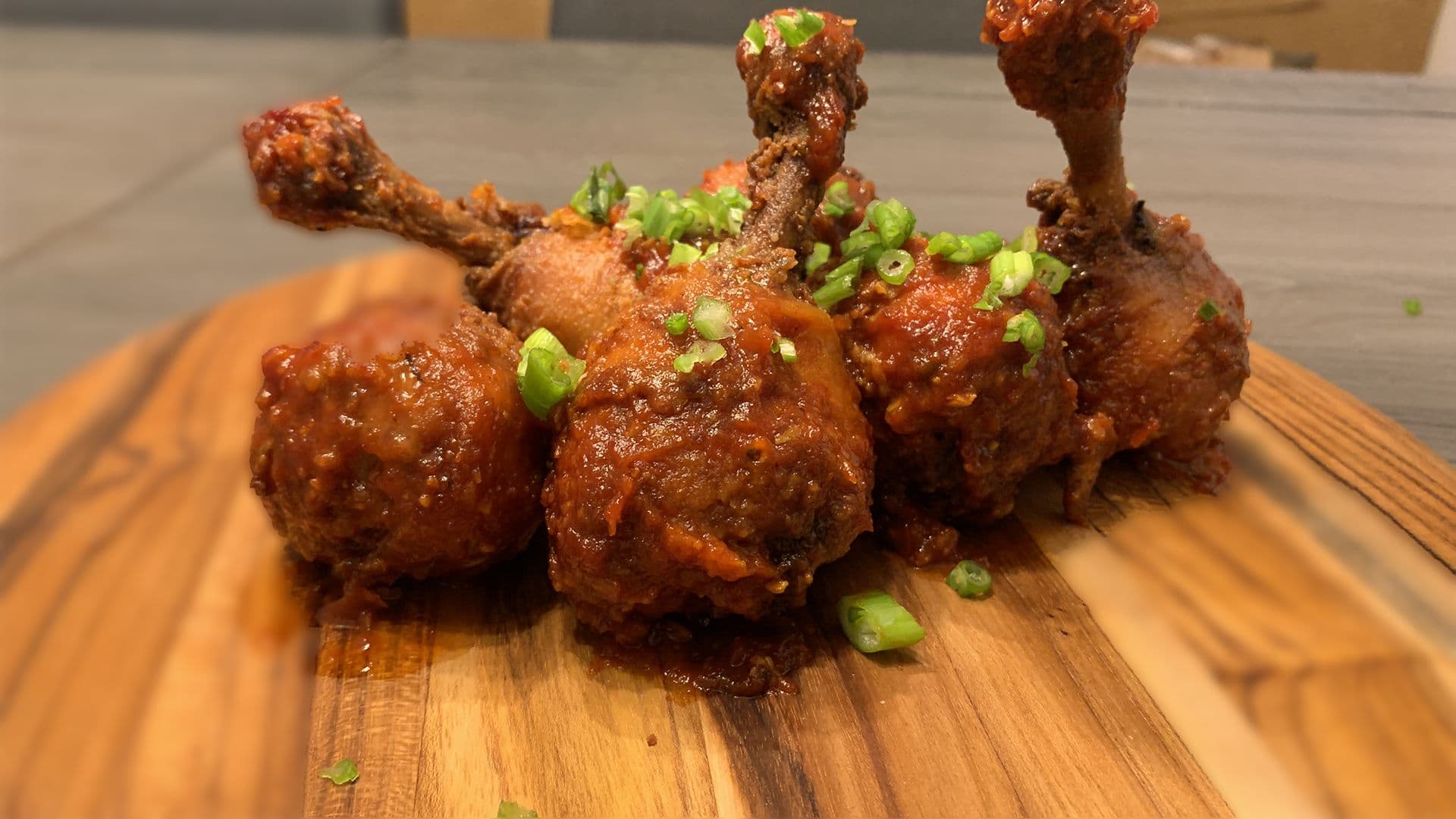
Indo-Chinese Chicken Lollipop Drumsticks: Drums of Heaven
Crispy, saucy Indo-Chinese Chicken Lollipop Drumsticks — the ultimate party starter. Bold flavors, irresistible crunch. Your new favorite appetizer awaits.
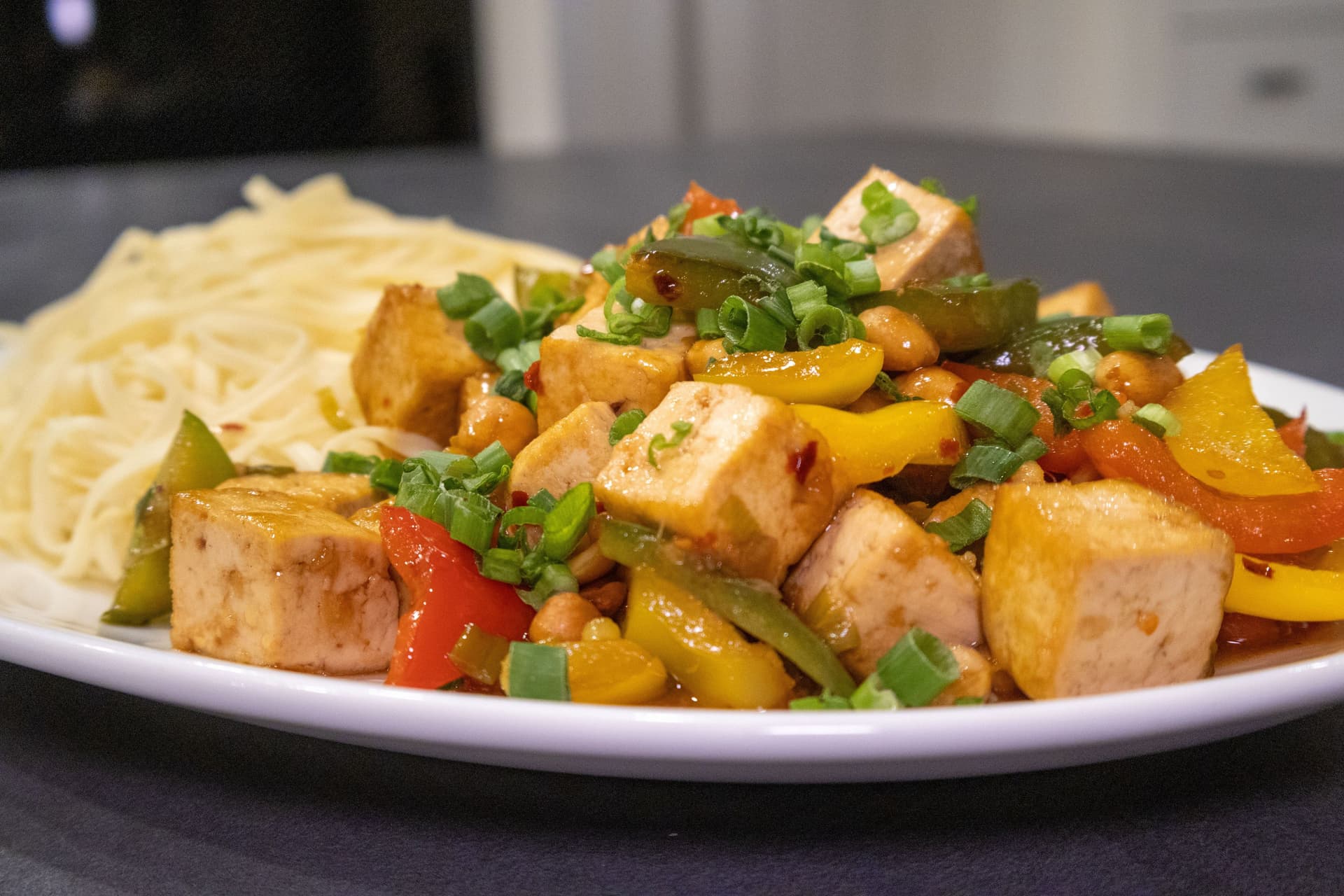
Easy Weeknight Tofu Noodles Stir Fry Recipe
Quick, flavorful, and ready in minutes, this tofu noodle stir fry is the perfect easy weeknight dinner. Crispy tofu, tender noodles, and bold Asian-inspired sauce in every bite.
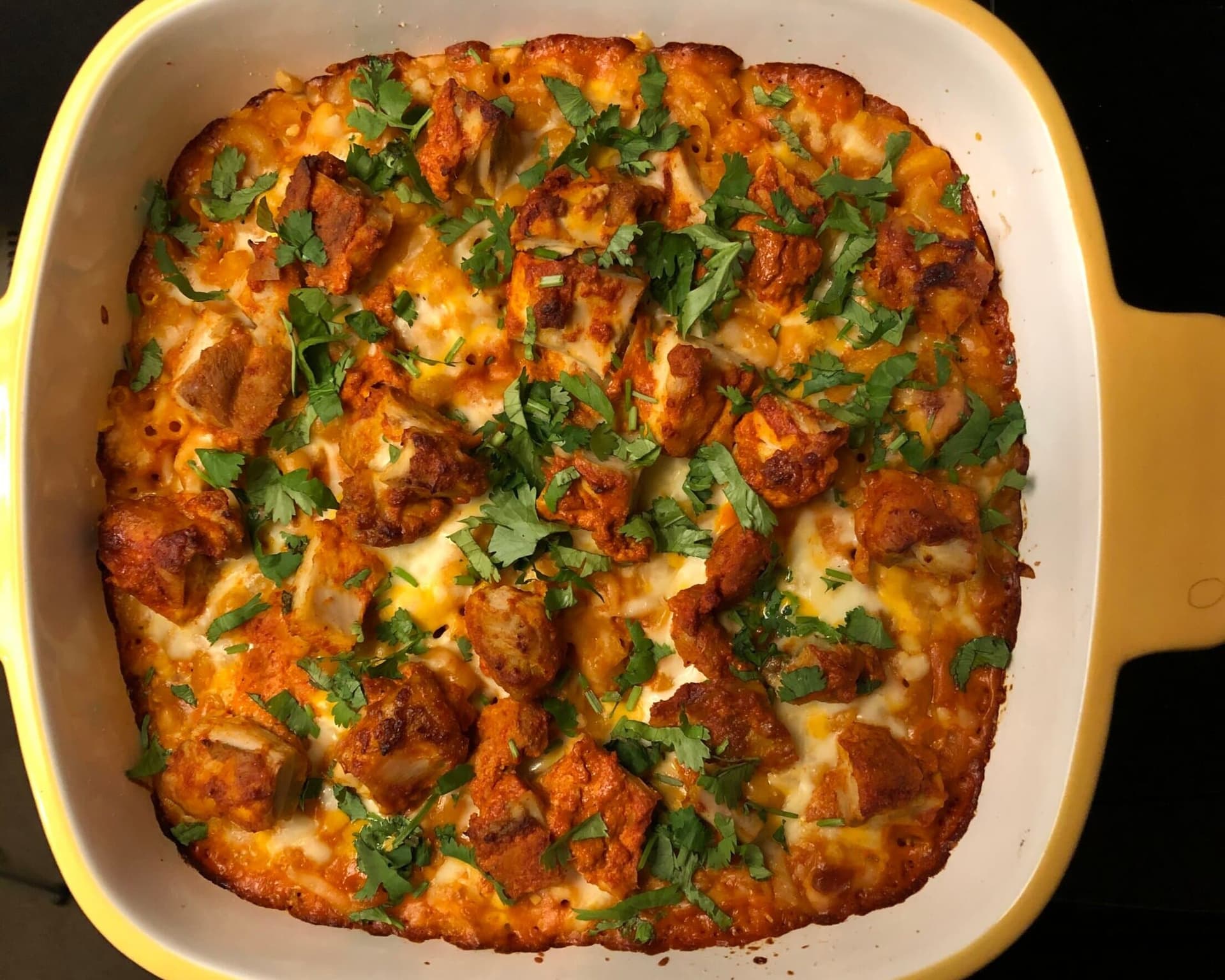
Ultimate Butter Chicken Mac and Cheese: A Fusion of Flavors
Creamy, spiced, and utterly irresistible — Butter Chicken Mac and Cheese is the bold fusion mashup you never knew you needed. One dish, two classics, endless flavor.
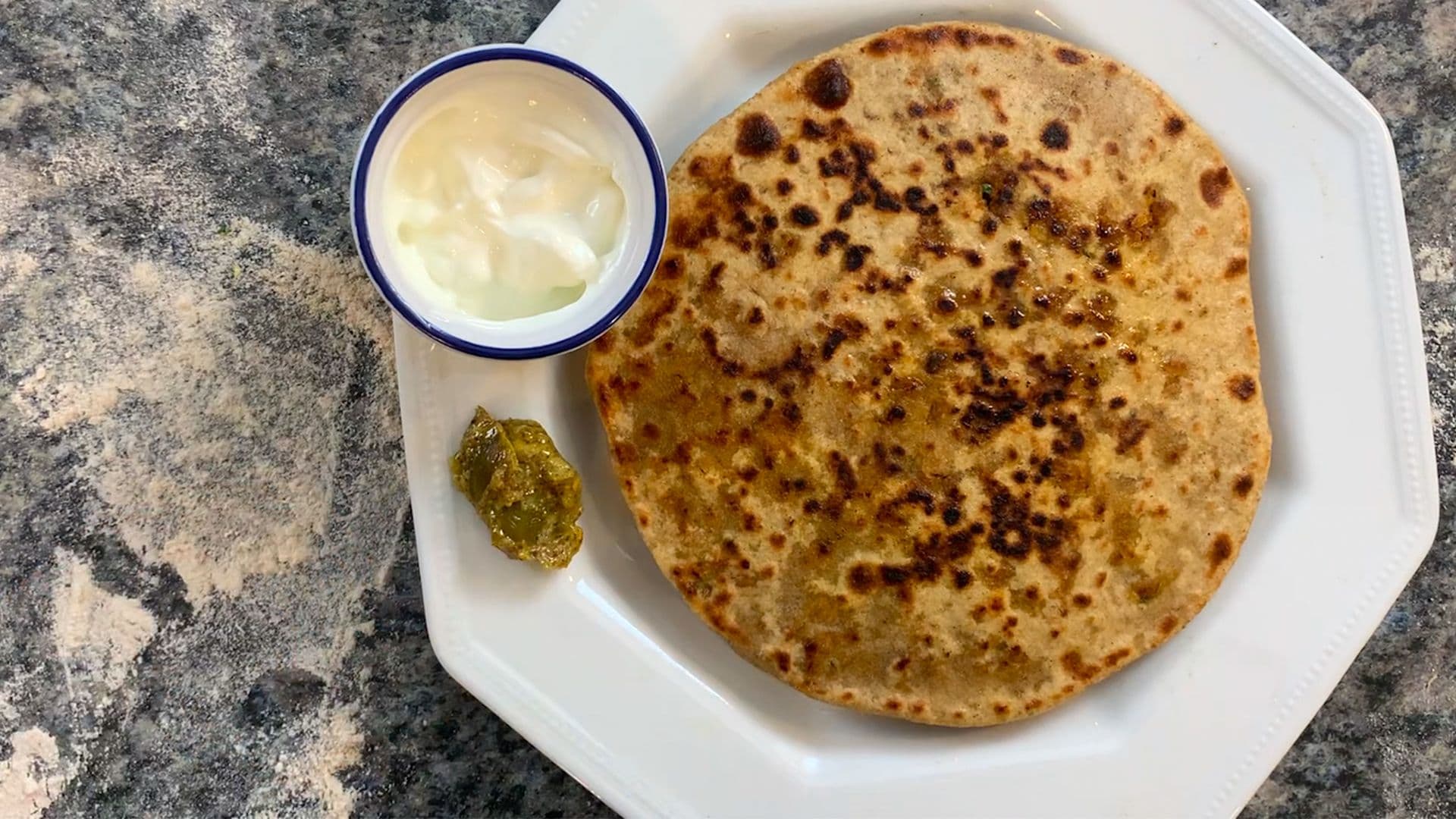
Ultimate Stuffed Chicken Keema Paratha Recipe
Juicy spiced chicken keema stuffed inside flaky, golden paratha. A step-by-step Indian bread recipe that is crispy outside, packed with flavor inside, and perfect for any meal.


Comments
No comments yet — be the first to share your thoughts!
Leave a review
Be the first to share how it went — your note helps other cooks (and earns the recipe its stars).