
yogurt marination
Why restaurant tandoori falls apart in your hands (it's not the clay oven)
The tandoor myth exists because nobody explains the actual mechanism. Yogurt's lactic acid tenderizes the protein before the meat ever sees heat — and a home oven at 220°C can replicate the result perfectly if you give it overnight.

Every tandoori recipe blames the tandoor. It is the reason, they say, that yours never tastes like the restaurant's. It isn't. A tandoor does add real things — ferocious dry heat near 480°C, a specific char, a little smoke. But the tenderness, the way the meat stays moist inside despite that heat? That is the marinade. That is the yogurt. And you can get it at home.
What yogurt is actually doing
A yogurt marinade works two ways. Its lactic acid is mild (around pH 4.5) — gentle enough to slowly denature the surface proteins and open them up to seasoning without turning the surface mushy the way a strong citrus or vinegar marinade can. And yogurt's enzymes break down protein bonds at the surface over time. That second mechanism is slow, which is the whole reason overnight beats 30 minutes — the enzymatic work takes hours.
What overnight actually means
- 30 minutes: surface seasoning only. The marinade hasn't penetrated and the enzymes haven't started. Flavor sits on the outside; the texture is unchanged.
- 4 hours: noticeable surface tenderizing and some penetration into the outer layer.
- 8–24 hours: the acid and enzymes have worked through the outer protein. The marinade is now part of the meat, not just on it — which is what produces the real tandoori result: a charred, dry-edged crust over a moist, tender interior. Thirty minutes gets you neither.
What's in the marinade matters
Use full-fat yogurt — low-fat has more water and less fat to carry the fat-soluble spice compounds, so the coating is thinner and patchier. Bloom your ground spices in a little warm ghee or oil first (the same idea as a tadka), then stir that into the yogurt so the color and flavor distribute evenly. Kashmiri chili powder gives the vivid red without much heat. And remember salt is the only ingredient that penetrates deep into meat — everything else seasons the surface, so salt to season, not to cure.
Replicating the tandoor at home
You are chasing extreme heat close to the surface plus a little char. Set the oven to its maximum (220–240°C), use convection if you have it, and get the meat as close to the top element as possible — a preheated cast-iron pan or a wire rack over a tray lets heat circulate all around it. Finish under the grill/broiler for the last 2–3 minutes for the charred edges that define tandoori. It won't be identical to a 480°C clay oven, but the texture — moist inside, charred outside — is fully within reach. The technique even carries to fish and shrimp, not just chicken.
Common mistakes
- Not marinating long enough. The most common one. Overnight is the minimum worth the effort.
- Low-fat yogurt. Less fat means thinner coating and uneven spice.
- Skipping the bloomed-spice step. Raw ground spice stirred into cold yogurt never fully releases its color and flavor.
- An oven that's too cool. A gentle 180°C roast steams the meat instead of charring it. Go as hot as the oven allows.
Common questions
Do I need a tandoor to make good tandoori at home?
No. The tandoor adds char and smoke, but the tenderness and moisture come from an overnight full-fat yogurt marinade plus a very hot oven or grill. Maximum oven heat with a broiler finish gets you the moist-inside, charred-outside result.
How long should I marinate meat in yogurt?
Overnight (8–24 hours) for the real effect. Thirty minutes only seasons the surface; the lactic acid and enzymes that tenderize need hours to work through the outer layer of the protein.
Can I use low-fat or Greek yogurt for a tandoori marinade?
Full-fat is best — the fat carries the fat-soluble spice compounds and gives an even, clinging coat. Thick Greek yogurt, while it has the right consistency, tends to leave a particular aftertaste that I don’t find appealing. Another alternative that works better is a Balkan style thick plain yogurt.
Does yogurt marinade work on fish and shrimp?
Yes, with shorter timing. Fish and shrimp are delicate, so 30 minutes to a couple of hours is plenty — the acid would otherwise start to break the surface down too far. The same bloomed-spice, full-fat-yogurt formula applies.
Put it into practice
Now Go Cook It

Air Fryer Tandoori Chicken Recipe With Authentic Flavors
Make authentic tandoori chicken in your air fryer with bold spices and smoky flavor. Juicy, charred, and ready faster than traditional methods — no clay oven needed.

Impress Your Guests with Homemade Baked Chicken Tikka
Make restaurant-quality chicken tikka at home in your oven or broiler. Smoky, tender, and perfectly spiced, this recipe also doubles as the base for an incredible butter chicken.

Grilled Tandoori Shrimp Skewers with Vegetable Pulao
Smoky, spiced tandoori shrimp skewers grilled to perfection, served with fragrant vegetable pulao. A bold and satisfying recipe from Ottawa home chef Anadi Misra that brings restaurant flavor home.
See it in action
Recipes Using This Technique
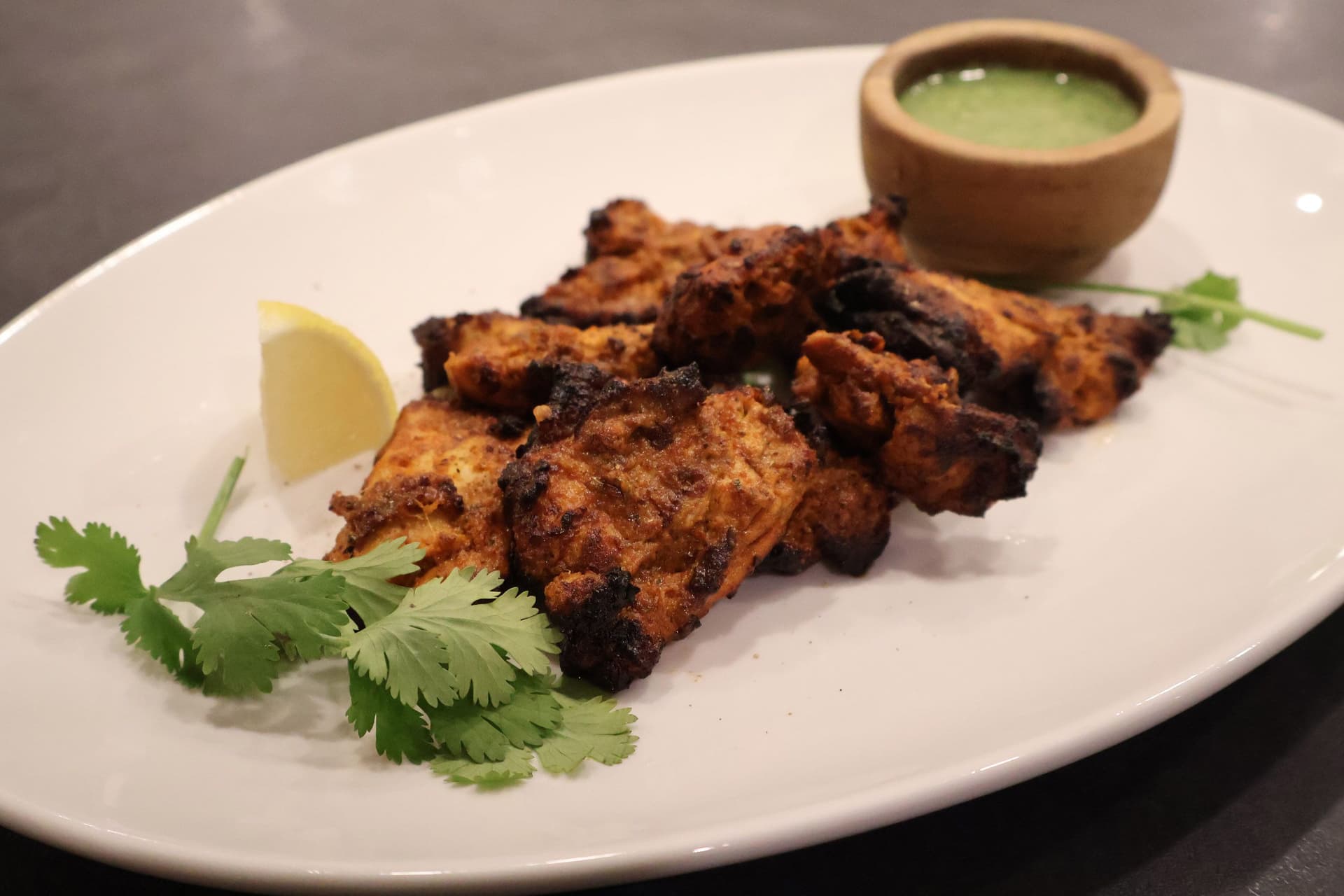
Make Delicious Air Fryer Chicken Tikka at Home!
Make restaurant-style Chicken Tikka at home using your air fryer! Juicy, smoky, and perfectly spiced, this Indian classic is easy to prepare and perfect as a starter or side dish.
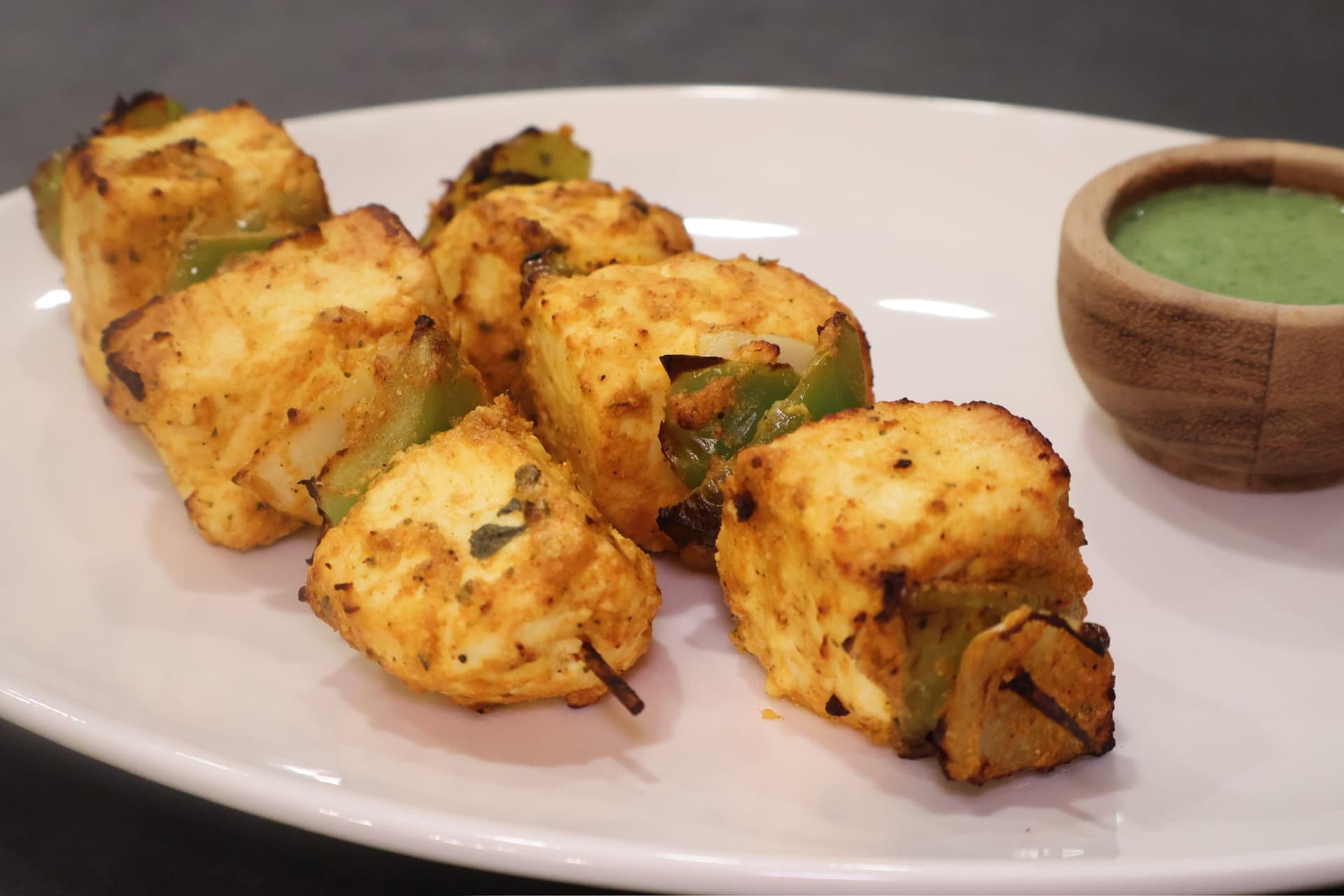
Super Tender Air Fryer Paneer Tikka Recipe
Make restaurant-quality Paneer Tikka at home in your air fryer. Tender, smoky, and perfectly charred, this easy Indian vegetarian starter is ready in minutes with bold tikka flavors.
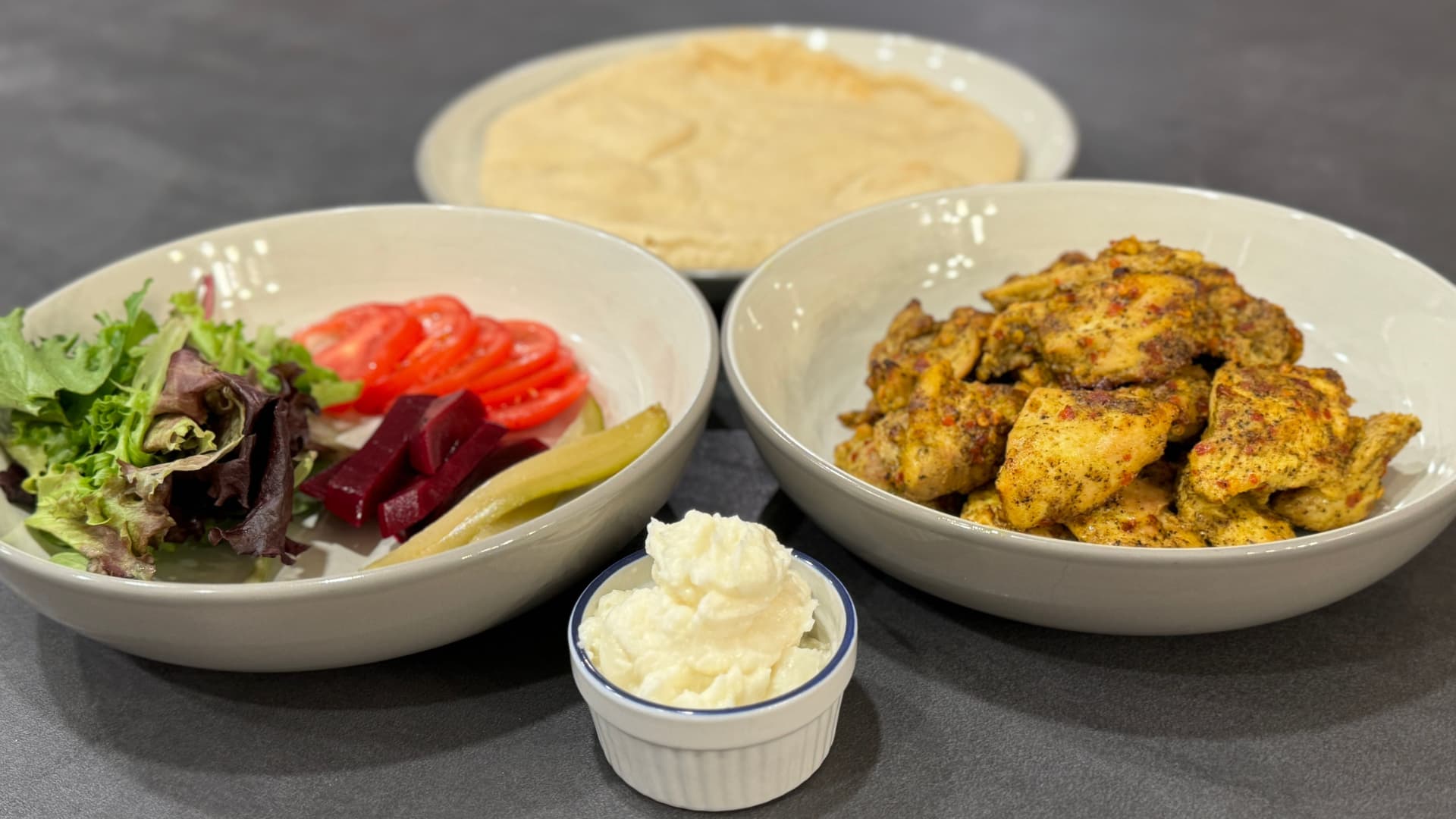
Easy Homemade Juicy Chicken Shawarma Recipe
Make juicy homemade chicken shawarma wraps packed with bold spices and creamy sauce. A simple, satisfying lunch recipe the whole family will love. Perfect in pita bread!

Delicious Baked Tandoori Chicken Sandwich Recipe
Juicy baked tandoori chicken piled high on a sandwich makes the perfect healthy, flavorful lunch. Easy to make and packed with bold Indian spices, this recipe is a guaranteed crowd-pleaser.
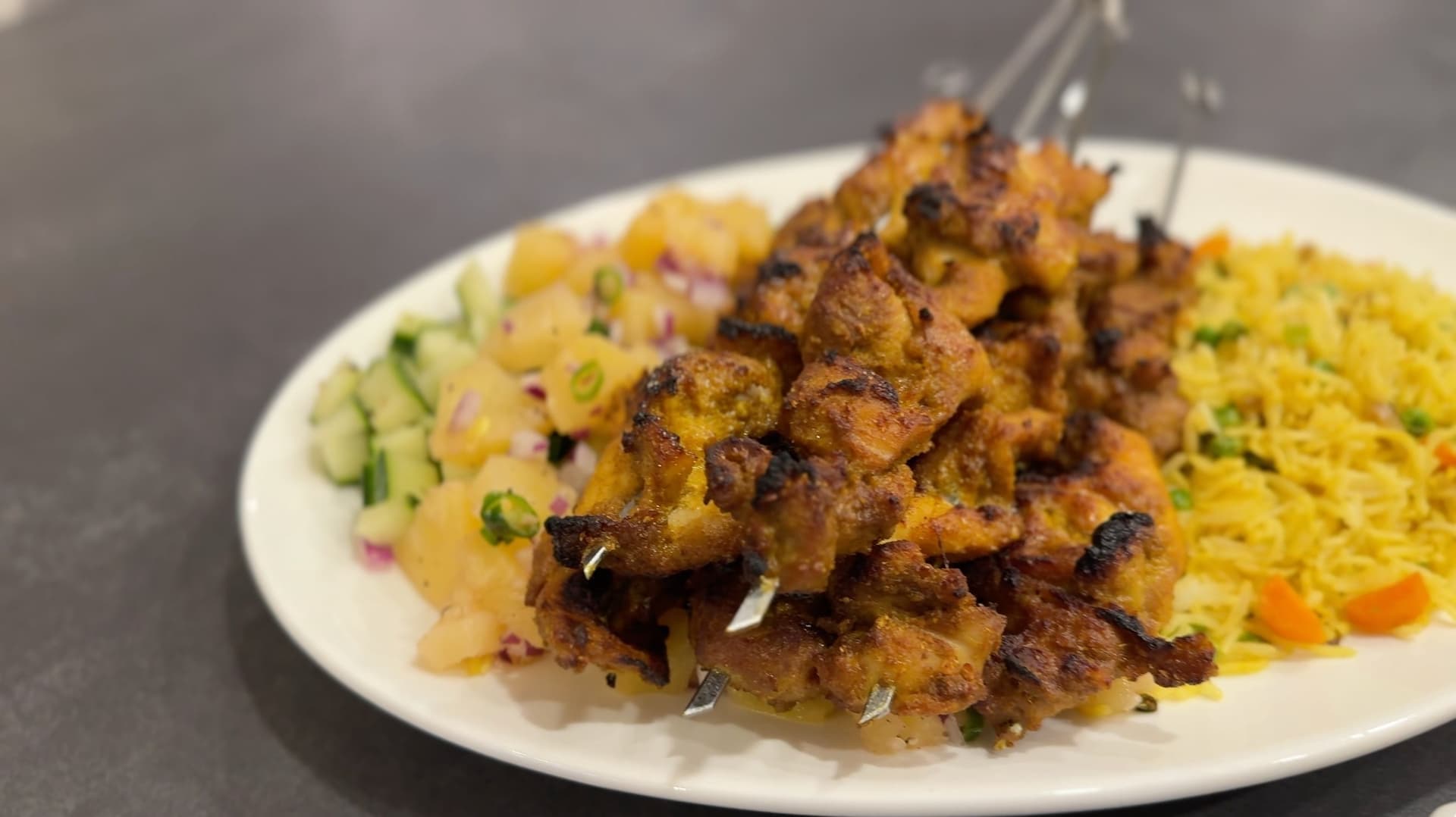
Singapore Chicken Satay with Creamy Peanut Sauce
Juicy Singapore Chicken Satay grilled to perfection and served with a rich, creamy peanut sauce. An authentic recipe packed with bold flavors that brings the taste of Singapore street food to your table.

Free guide
7 Quick Dinners
Easy weeknight dinners you'll make on repeat.
40,000 home cooks a month cook from this site. Get one tested recipe a week from it, plus the weeknight tip that makes it work.
Comments
No comments yet — be the first to share your thoughts!
Leave a comment
Be the first to comment.