
pasta emulsification
Why restaurant pasta never separates (and yours probably does)
The starchy water at the bottom of your pasta pot is the most underused ingredient in Italian cooking. It is the reason restaurant pasta coats and home pasta separates — and saving a cup of it is the single step that closes that gap.

Restaurant pasta has a glossy sauce that clings to every strand. Home pasta tends to have a puddle of sauce at the bottom of the bowl and plain noodles sitting on top. Same sauce recipe, different result — and the missing step is almost always the pasta water.
Not tap water. The specific cloudy, starchy water left in the pot after boiling. It is a pantry ingredient every Italian kitchen uses and almost no home recipe explains.
What pasta water actually is
By the time pasta is al dente, the water is a starch solution — roughly 1–2% starch released from the pasta surface in a well-boiled, properly salted pot. That starch is the point. It is an emulsifier: it holds water and fat in suspension together, which is exactly what a glossy sauce is — an emulsion. The starch makes that emulsion stable. Plain water breaks it.
Why restaurant pasta coats
Line cooks finish pasta in the sauce pan, not the bowl. They pull it a minute or two early, drain it, and toss it in a wide pan of sauce over high heat, adding splashes of pasta water as they go. The heat, the motion, and the starch work together: the starch gelatinizes slightly, thickens the sauce, and binds the fat and liquid into a single glossy coating. The pasta finishes cooking right in the sauce, absorbing the last of its starch capacity and grabbing the sauce as it does. That is why it coats — and why pasta dressed passively in a bowl never will.
How to do it
- Save the water. Ladle out at least a cup before you drain — it should look cloudy.
- Undercook by ~2 minutes It finishes in the pan.
- Have the sauce ready in a wide pan on low heat.
- Add the pasta, then add pasta water a splash at a time while tossing — not a flood. Watch the sauce turn glossy and start to cling.
- Pull it off the heat before serving; the emulsion keeps setting as it cools slightly. Not soupy, not dry.
The purest test: cacio e pepe and aglio e olio
The clearest demonstration is a dish with no cream and no tomato to hide behind — just fat, pasta, and pasta water. Carbonara works the same way: the gloss comes from egg and cheese emulsified with starchy water, never from a splash of cream. Get the emulsion right there and it works for everything, from a lemon and salmon spaghetti to a weeknight spaghetti and meatballs.
Common mistakes
- Forgetting to save the water. Drain it and the starch is gone down the sink. Ladle first.
- Adding too much at once. A flood dilutes the sauce instead of emulsifying it. Small splashes.
- Finishing in the bowl. Emulsification needs heat and motion; it does not happen on its own.
- Overcooked pasta. Already at its starch limit, it absorbs nothing and the sauce slides off.
Common questions
How much pasta water should I save?
Ladle out at least one cup (about 250 ml) before draining — more for a large batch. You will rarely use all of it, but running out mid-toss means a broken or dry sauce, so save more than you think you need.
Can I use tap water instead of pasta water?
No — that is the whole point. Tap water adds moisture but no starch, so it dilutes the sauce instead of binding it. The dissolved starch is what turns fat and liquid into a stable, glossy emulsion.
Why does my pasta sauce stay watery or split?
Either you skipped the pasta water, added it all at once, or dressed the pasta in the bowl with no heat and motion. Finish the pasta in the pan over heat, tossing, and add starchy water gradually until it turns glossy.
Should I add oil to the pasta water to stop sticking?
No. Oil coats the pasta and stops sauce from clinging later, and it does nothing to prevent sticking — a big pot, enough water, and a stir in the first minute does that. Keep the water oil-free.
What you don't need: cornstarch, cream, or a blender
A few shortcuts get suggested for a sauce that won't come together, and none of them is necessary. The ingredients are short: pasta, water, salt, fat, and whatever sauce you started with. A spoonful of cornstarch thickens a sauce, but it makes the liquid gluey rather than binding the fat the way pasta starch does, and it can leave a pasty texture. Cream makes a sauce look silky but hides the problem instead of fixing it. A food processor or immersion blender can force an emulsion in some sauces, but pasta in a pan has no use for either. Tongs, a wooden spoon, and the heat of the pan do all the blending the sauce needs.
Salt, fat, and taste: how the finishing works
Salt the pasta water well, so the pasta is seasoned from the inside and the starchy water you add later has some taste of its own instead of just diluting the sauce. Fat matters too: olive oil or butter gives the starch something to bind to. A knob of butter or a pour of olive oil, tossed in off the heat with the last splash of pasta water, thickens the sauce a little more and adds depth. Taste before you serve. The water is already salty, so go easy on extra salt, and add black pepper or garlic only if the sauce wants it.
Same idea with eggs, garlic, and tomato sauce
Egg sauces like carbonara use the same emulsion, with eggs and cheese in place of oil, which is why the pan comes off the heat before the eggs go in, or they scramble. Garlic and olive oil is the simplest case: garlic softened in the oil, then the pasta and starchy water tossed together until the mixture turns glossy. A tomato sauce works the same way. A ladle of pasta water loosens a thick tomato sauce and helps it cling to every strand instead of pooling in the bowl, and basil goes in at the end. In every version the sauce should look glossy and coat the back of a spoon.
Put it into practice
Now Go Cook It
Quick Spaghetti alla Carbonara Recipe - Ready in 30 Minutes!
Creamy, indulgent pasta carbonara ready in just 30 minutes. Made with crispy pork, eggs, and Parmesan, this classic Italian recipe delivers rich, restaurant-quality flavor straight to your dinner table.

Enjoy a Nutritious Meal with Healthy Lemon Salmon Spaghetti
Bright, healthy lemon salmon spaghetti made without cream. A simple, light pasta dish packed with fresh flavors — perfect for a quick weeknight dinner or satisfying lunch the whole family will love.

Spaghetti and Meatballs Recipe with Marinara
Craving authentic spaghetti and meatballs? This traditional Italian recipe delivers tender, juicy meatballs in a rich homemade marinara sauce. A classic comfort meal the whole family will love.
See it in action
Recipes Using This Technique
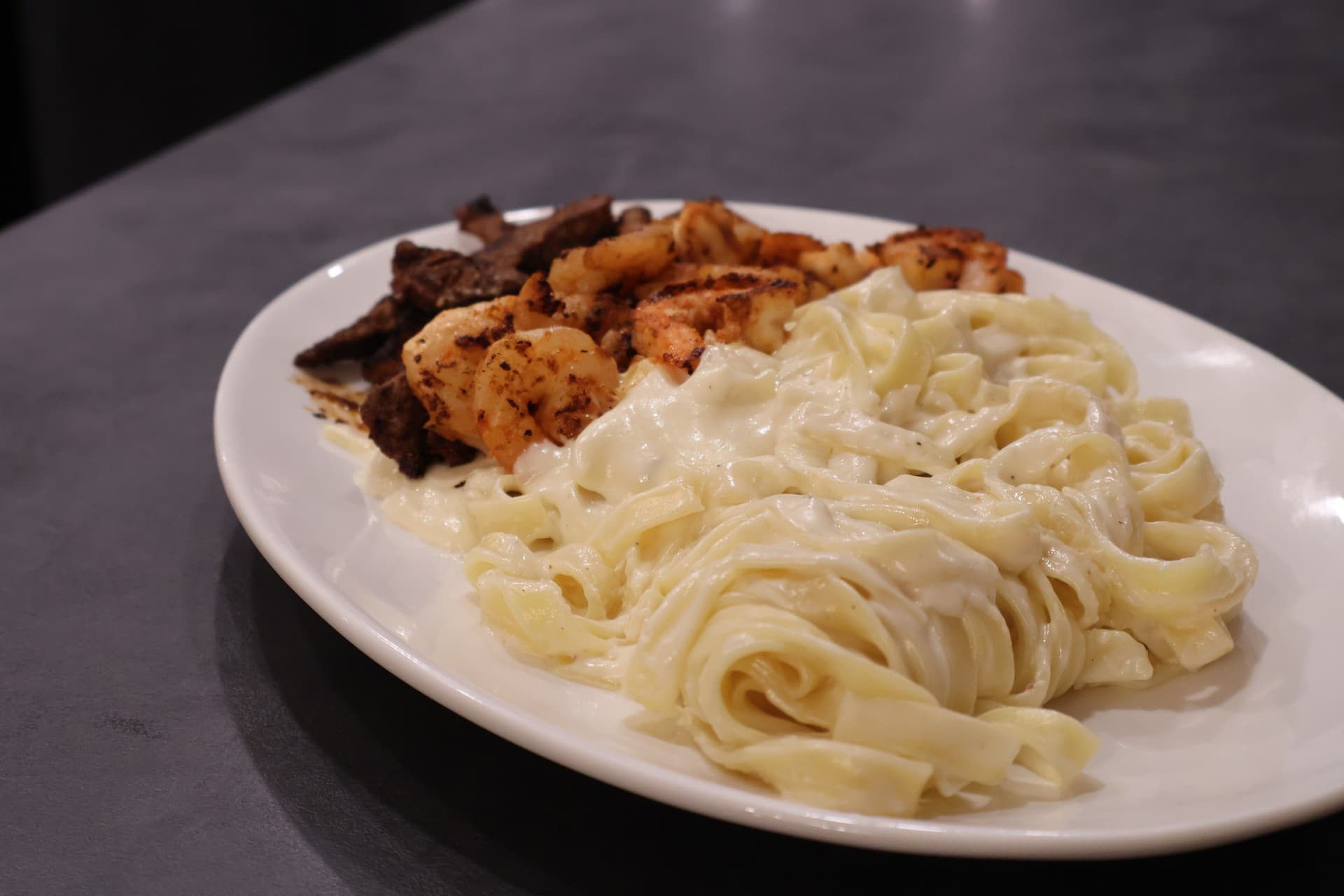
Bold Cajun Steak and Shrimp Alfredo Pasta Recipe
Bold, creamy, and packed with flavor — this Cajun Steak and Shrimp Alfredo Pasta delivers the perfect mix of spicy seasoning and rich sauce over tender fettuccine. A showstopping dinner worth making tonight.
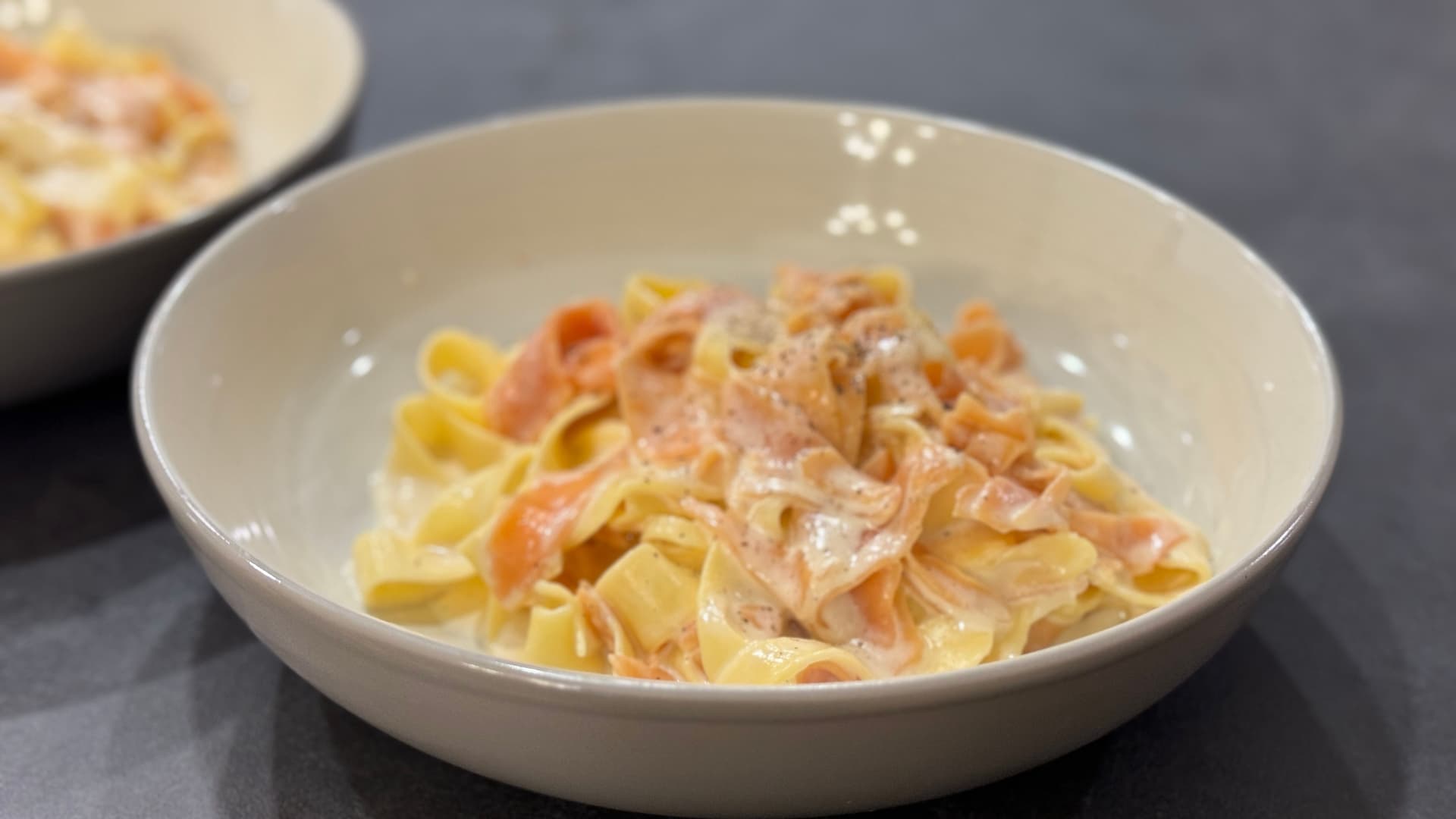
The Most Delicious (And Simple!) Alfredo Sauce Recipe
Make the creamiest homemade Alfredo sauce in minutes with just a few simple ingredients. Rich, velvety, and absolutely foolproof, this is the only Alfredo recipe you will ever need.
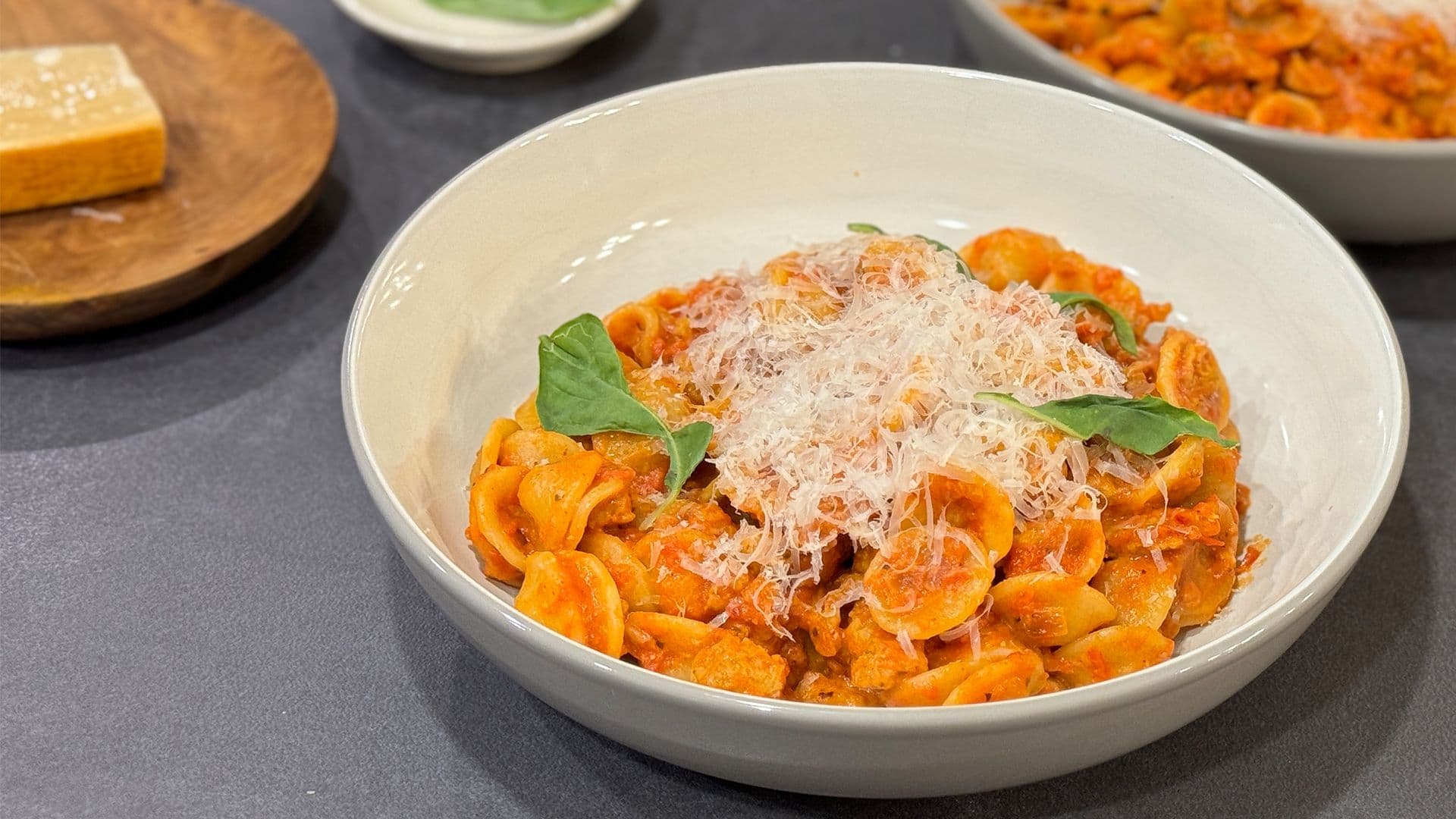
Orecchiette with Spicy Italian Chicken Sausage
Orecchiette with Spicy Italian Chicken Sausage is a quick, bold pasta dish packed with flavor. Ready in under 30 minutes, it is the perfect easy weeknight dinner the whole family will love.

Creamy Butternut Squash Sausage Pasta Recipe
Creamy butternut squash pasta sauce meets savory sausage in this easy, satisfying dinner. Rich, velvety, and simple to make, this recipe is perfect for busy weeknights.
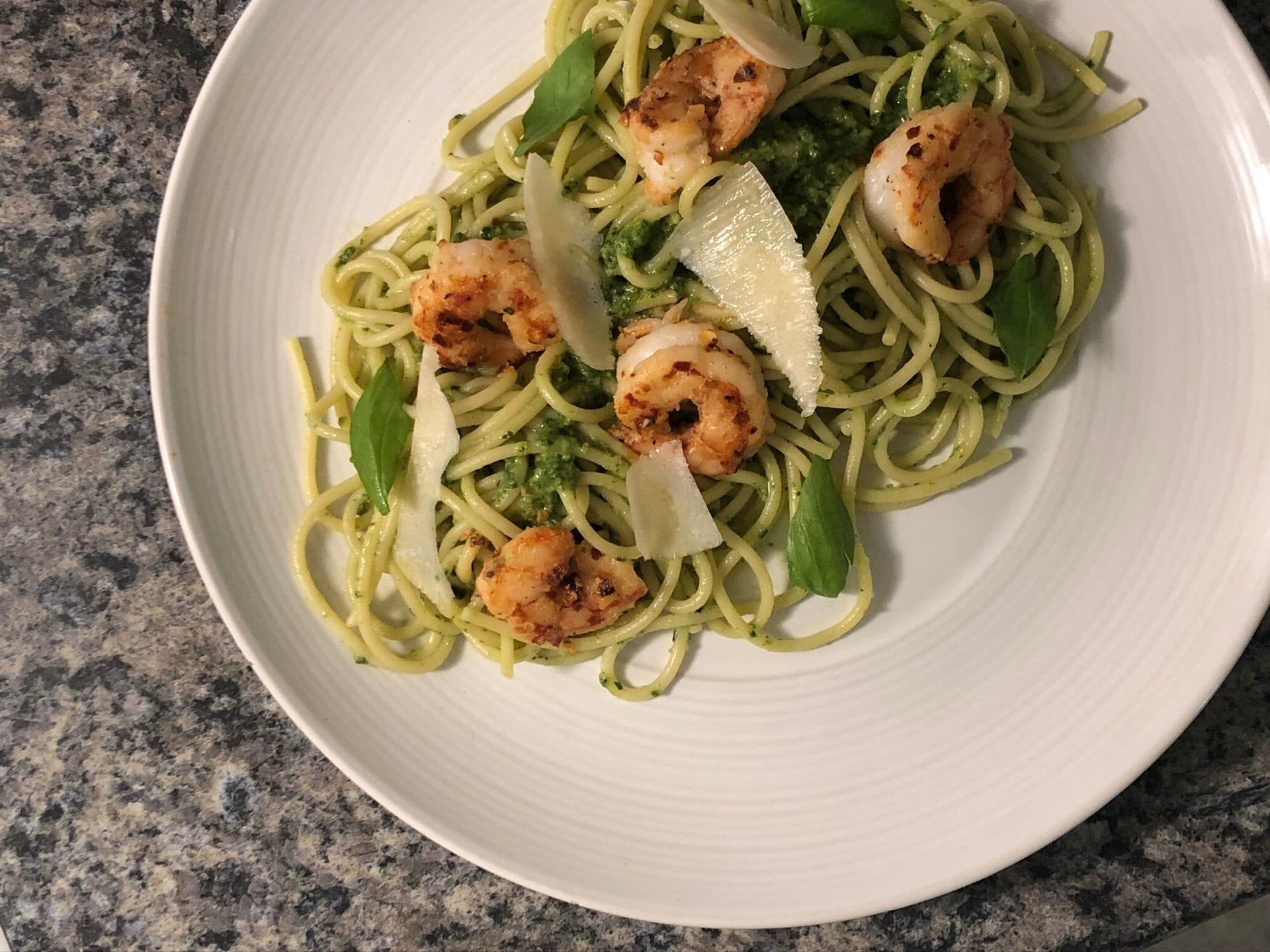
Creamy Spinach Pesto Pasta with Pan-Seared Shrimp
Creamy spinach pesto pasta topped with perfectly pan-seared shrimp makes for a quick, restaurant-worthy dinner. Toss it together in under 30 minutes with homemade basil pesto sauce.
Free guide
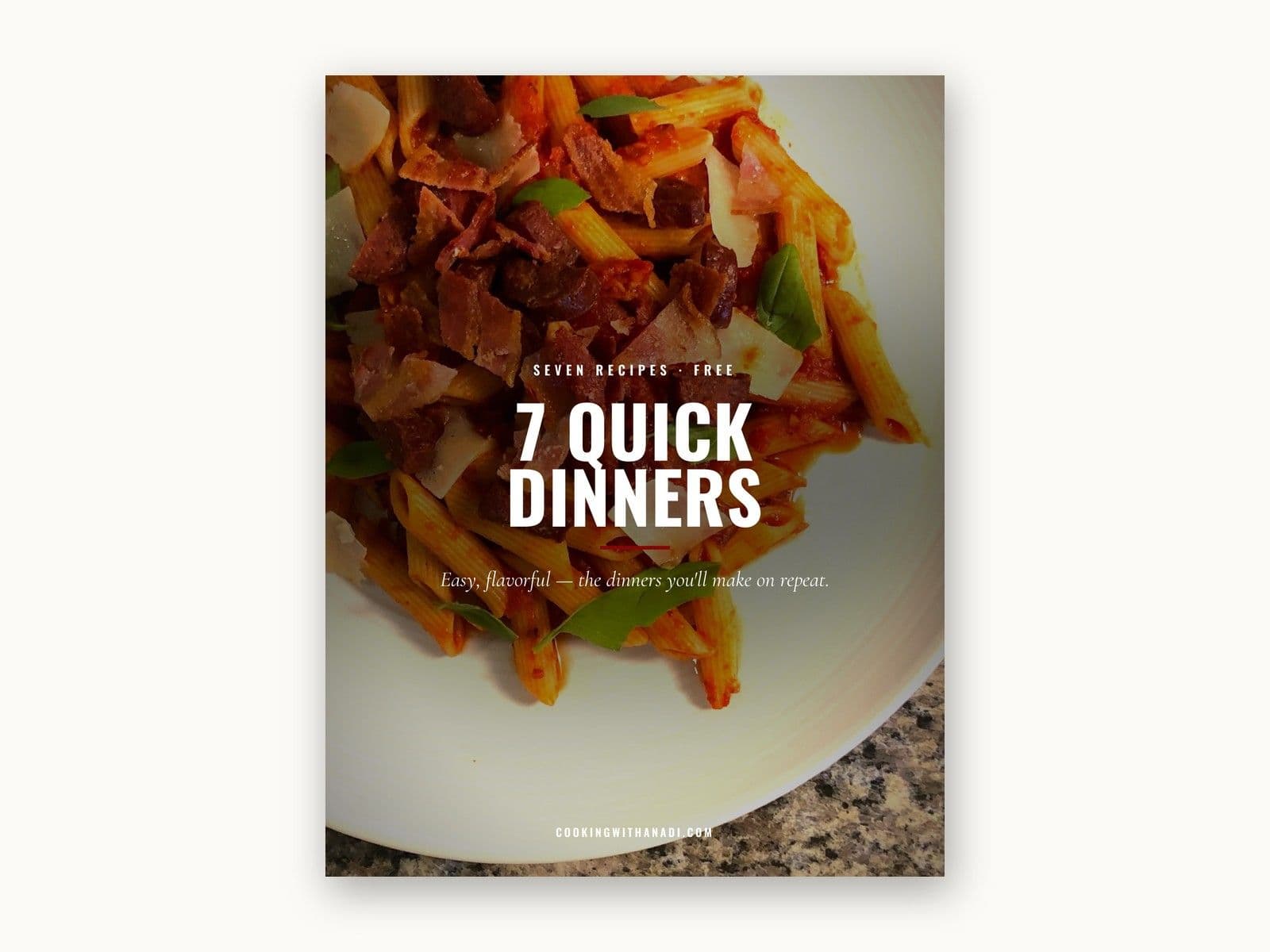
7 Quick Dinners
Easy weeknight dinners you'll make on repeat.
40,000 home cooks a month cook from this site. Get one tested recipe a week from it, plus the weeknight tip that makes it work.
Comments
No comments yet — be the first to share your thoughts!
Leave a comment
Be the first to comment.