
masala base
How every Indian restaurant makes 20 different curries from one master base
The onion-tomato masala base is the foundation of almost every Indian curry. Learn the bhunao signal — the moment the oil separates at the edges — that tells you when the base is ready to build on.

Stand behind the pass at an Indian restaurant for ten minutes and you will notice something: the same thick, brick-red paste goes into nearly every order. Butter chicken, tikka masala, a paneer dish — different plates, same starting point.
That paste is the onion-tomato masala base. Restaurants make a batch of it and build everything on top. Home cooks make each curry from scratch every time. That is the gap, and closing it is mostly about one signal: bhunao.
What the masala base is
It is a cooked-down paste of onions, tomatoes, and aromatics (ginger and garlic) with spices bloomed into it. Ratios vary, but a North Indian base sits around 2:1 onion to tomato by weight. The base is a flavor-saturated carrier; what you add on top of it — protein, cream, a finishing spice — is what makes one dish different from the next.
The bhunao stage — the signal it's ready
Bhunao is the most important and most skipped step. It means frying the masala on medium-high heat, stirring almost constantly, until the oil separates from the paste and pools at the edges of the pan.
That is not a coincidence of appearance — it is chemistry telling you the water has cooked off. While the paste is still wet, it is an emulsion of oil and water and it smells slightly raw and acrid. As the water drops below a threshold, the emulsion breaks and the oil runs free. The flavors are now concentrated and cooked through. That oil ring is your green light.
Step by step: building the base
- Start with a tadka — bloom your whole spices in oil or ghee.
- Add onions and cook them to a deep golden brown, not just soft. Caramelization is color, not minutes, and it is where most of the flavor lives.
- Add ginger-garlic paste and cook until the raw smell is gone, about two minutes.
- Add ground spices and stir for 60–90 seconds — they burn fast.
- Add tomatoes and cook until completely broken down.
- Bhunao: keep the heat up, keep stirring, and wait for the oil to separate at the edges. Now the base is ready for your main ingredient.
Cook once, eat all week
This is the part worth stealing from restaurants. The base keeps 3–4 days in the fridge and freezes well for about three months. Make a big batch on a Sunday, portion it, and any weeknight curry becomes a 15-minute job — sear your protein, add a portion of base, finish.
Common mistakes
- Pale onions. Rushing the onions makes a thin, pale base. The deep brown is the flavor.
- Watering it down at the wrong time. A splash to stop sticking is fine; a flood restarts the clock on bhunao.
- Stopping before bhunao. If the oil hasn't separated, the base still tastes raw. It is non-negotiable.
- Watery tomatoes. Hothouse tomatoes dilute the base — Roma or canned whole are far better.
Common questions
What does bhunao mean?
Bhunao (or bhuna) is the stage of frying the masala until the oil separates and pools at the edges of the pan. It signals the water has cooked off and the base is fully cooked and concentrated — the single most reliable doneness cue in Indian cooking.
How long does the masala base keep?
About 3–4 days refrigerated in an airtight container, or roughly 3 months frozen. Portion it before freezing so you can pull out exactly one curry's worth at a time.
Why is my curry base bitter or raw-tasting?
Almost always one of two things: the ground spices scorched (added too early or on too-high heat), or you stopped before bhunao so the base is undercooked. Cook to the oil-separation signal and add ground spices only after the aromatics soften.
Can I make the masala base without onions or tomatoes?
There are regional bases that lean on yogurt, cashew, or coconut instead — but the everyday North Indian base is onion-tomato, and it is the most versatile starting point. Master that one first, then branch out.
The "secret" is just a base gravy
Restaurants and takeaways don't have a secret recipe so much as a habit. The onion-tomato base is often called a base gravy, and it sits behind most of the sauces on a menu. It is the same idea as a French mother sauce: one cooked-down foundation, then small changes at the end. Ground coriander, cumin and a little turmeric in the base give the everyday flavour; the finishing touches are what separate one curry from the next.
Finishing touches that change the dish
Once the base is ready, small additions steer it. A fresh green chilli adds heat and a green, sharp note, and a handful of chopped fresh coriander at the end lifts the whole pot. Stir a teaspoon of turmeric powder in with the other ground spices early, not at the end, so it cooks through instead of tasting dusty. Cream, yogurt, or a spoonful of kasuri methi pushes the same base towards a rich restaurant-style gravy.
Beyond curries: where else the base works
The base is not only for meat and paneer. Thinned with a little water, it becomes the backbone of many Indian dishes that start the same way, including a quick pot of cooked lentils, where a spoonful stirred in gives plain dal the depth of a restaurant version. Chickpeas, mixed vegetables and boiled eggs all work too. That flexibility is the point of cooking the base once and using it all week.
Put it into practice
Now Go Cook It

Restaurant-Style Creamy Chicken Tikka Masala Recipe
Make restaurant-style Creamy Chicken Tikka Masala at home with this authentic Indian recipe. Rich, flavorful, and incredibly satisfying — your new favorite chicken dinner awaits.

Authentic Kadai Paneer Recipe for a Restaurant-Style Delight
Make restaurant-style Kadai Paneer at home with bold spices, tender paneer, and a rich, aromatic gravy. An easy homemade recipe that delivers authentic Indian flavors every time.

Slow-Cooked Instant Pot Chicken Changezi Recipe
Tender, flavorful Chicken Changezi made effortlessly in the Instant Pot. This rich, creamy Indian classic is a perfect one-pot meal for lunch or dinner that the whole family will love.
See it in action
Recipes Using This Technique

Comforting Authentic Pakistani Lamb Haleem Recipe
Slow-cooked Pakistani Lamb Haleem packed with tender meat, wholesome grains, and bold spices. A rich, hearty dish that brings authentic comfort to your table with every warming bowl.
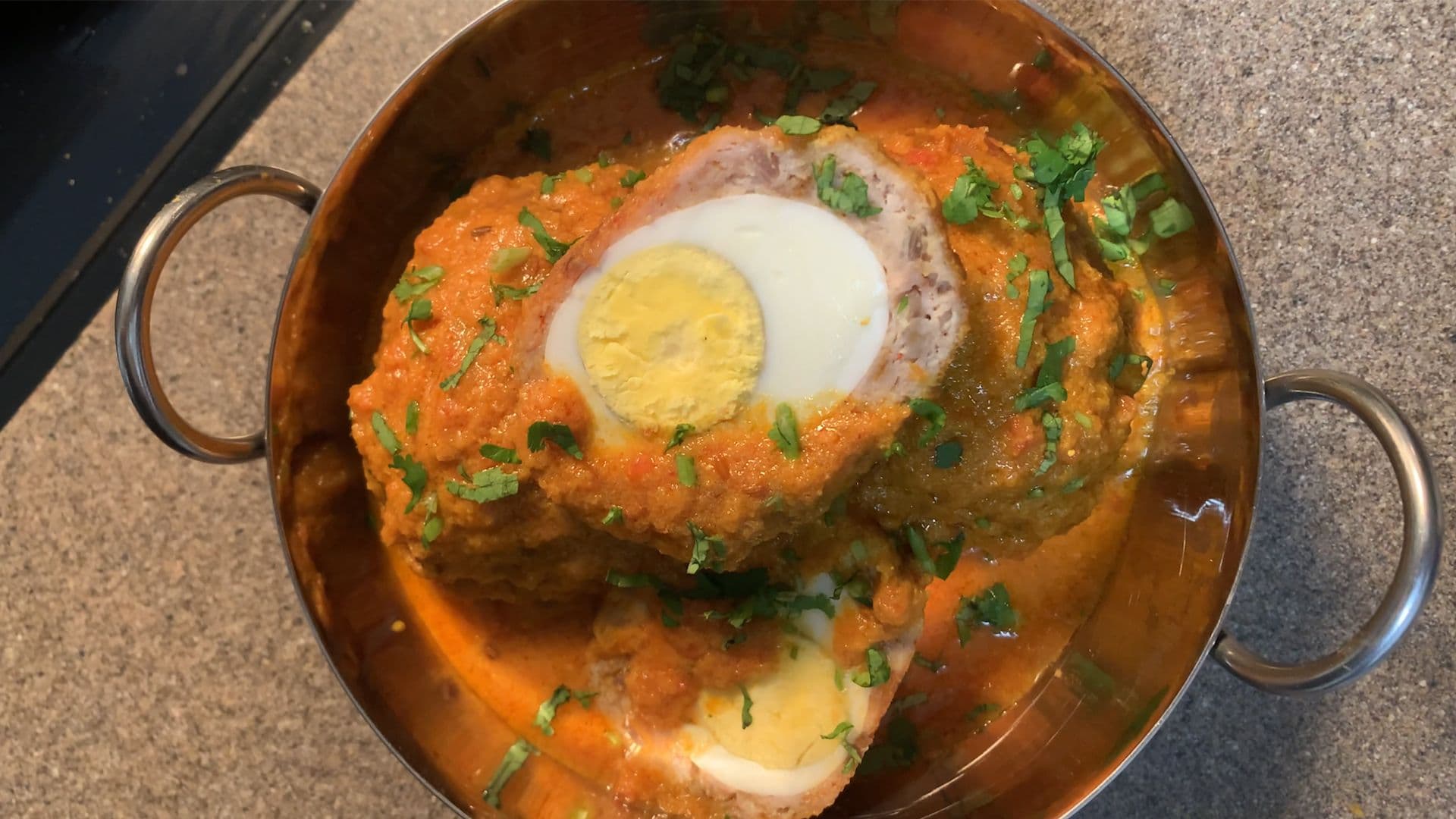
Enjoy a Royal Delight with Chicken Nargisi Kofta Curry
Discover the royal flavors of Chicken Nargisi Kofta Curry — juicy chicken meatballs simmered in a rich, aromatic Indian gravy. A stunning dinner centerpiece your whole family will love.

Learn How to Make Delicious Baked Paneer Samosas
Make delicious Baked Paneer Jalfrezi Samosas from scratch! These crispy, golden parcels are filled with spiced paneer and make the perfect vegetarian party snack. Your new favorite homemade samosa recipe awaits.
Free guide
7 Quick Dinners
Easy weeknight dinners you'll make on repeat.
40,000 home cooks a month cook from this site. Get one tested recipe a week from it, plus the weeknight tip that makes it work.
Comments
No comments yet — be the first to share your thoughts!
Leave a comment
Be the first to comment.